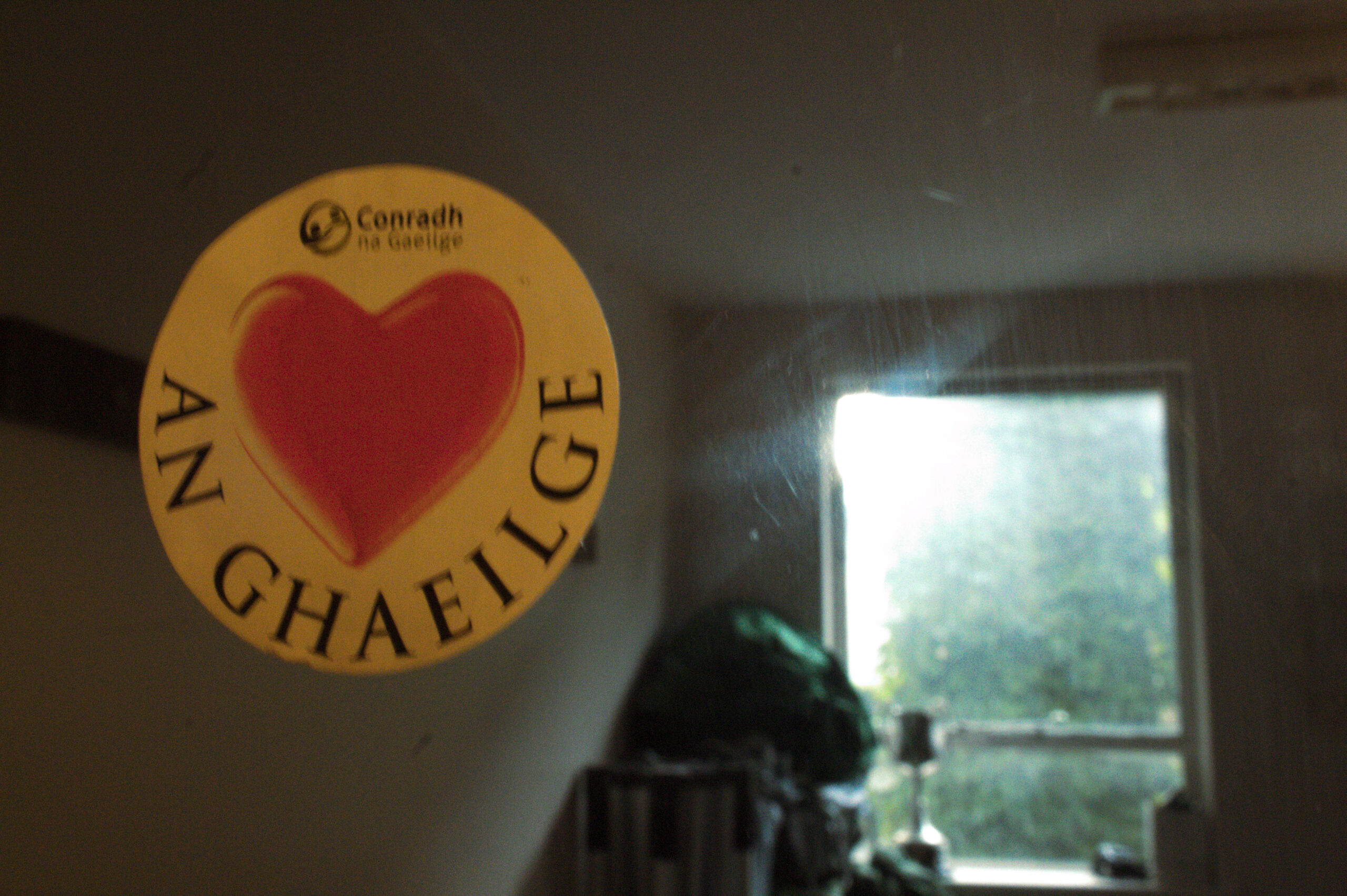
A movement to revive the Irish language has gained momentum in recent years, with more and more young people becoming involved with learning and using the language. The internet is largely to thank for this, as increased social media exposure and attention have heightened engagement with the language. Groups like the Irish rap trio Kneecap, who have made their use of Gaeilge a focal point of their projects, have found mainstream success that has helped give the language a new lease of life. Young people have found themselves at the centre of this movement, representing the future of the language and bridging generational gaps by keeping it alive. Students have become particularly important in this latest wave of linguistic revitalisation, with college campuses like Trinity’s becoming significant cultural hubs. Trinity’s city-centre location geographically embeds it in the heart of Dublin’s Gaeilge revival, as Irish language initiatives such as BÁC le Gaeilge, which seek to encourage everyday use of the language, have become increasingly prevalent.
An Cumann Gaelach, Trinity’s official Irish Language and Culture Society, aims to promote Gaeilge to both international and native students. Recognised as one of the largest student societies dedicated to the promotion of the Irish language, the work they have done on and off campus has been both ambitious and impactful. Their work has been commended numerous times in recent years; in 2017, they were awarded first place for “Best Irish Language Student Society” by Glór na nGael for the fifth time, after winning the title consecutively in 2012, 2013, 2014 and again in 2016. Most recently, they won “Best Publication” at the Society of the Year Awards for ‘Tuathal’ in April 2025.
On a campus like Trinity’s, where there is a vast number of international students, An Cumann Gaelach has gotten creative in its outreach, organising a variety of events to attract students from all backgrounds and to encourage them to get involved with Gaeilge. They host events such as debates, recitals, and workshops with the aims of increasing accessibility for those starting out and providing further experience for those who already have a background in the language. The aim of these events is not solely to be a technical course in the language, but also to find ways to incorporate it into everyday conversation and culture. This exposure of Gaeilge and the normalisation of its use play a large role in keeping the language alive in a lasting way.

The resurgence of the Irish language, especially amongst young people, has become an incredible means of bringing people together. Appreciation of and engagement with the language have increased among individuals from all backgrounds, but hold a particularly poignant cultural context for young Irish people as a reclamation of personal and social history. Kneecap’s Móglaí Bap said in a 2022 New York Times Interview that Gen Z is “probably the first generation coming out of the Irish-language education system that really developed their own sense of identity within the language.” In reviving the language, not only is Ireland’s history being preserved, but it is being made new in a way that ensures its lasting resonance.
Learning a new language can seem intimidating, but there is so much to be gained from doing so, especially one with as rich a historical and cultural background as Gaeilge. There is so much to learn and appreciate about the Irish language, and An Cumann Gaelach has done an excellent job of embodying its spirit and culture in Trinity. They can be found on Instagram under the user handle @cumanngaelachtcd, where they post about upcoming events and opportunities. They can also be found on trinitysocieties.ie for more information. No matter how little you do or don’t know about the Irish language, remember that it’s never too late to learn!