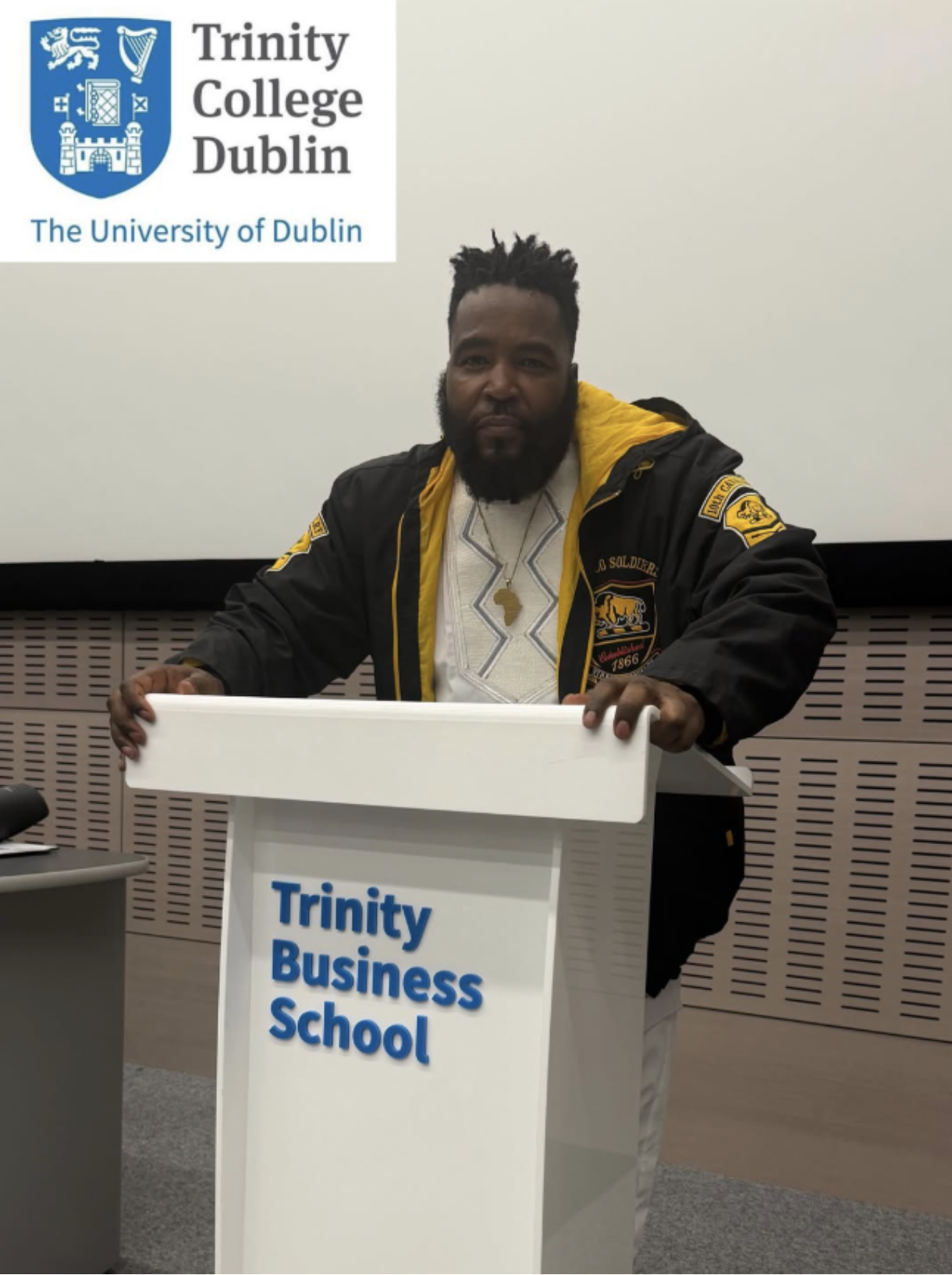
The Speak Out national dataset was launched on Tuesday, November 4th, at Trinity College Dublin. It revealed persistently low levels of formal reporting of abuse across Irish higher education. James Lawless TD, the Minister for Further and Higher Education, Research, Innovation and Science, said there is an “urgent need to break the culture of silence around these difficult and traumatising experiences”.
The dataset compiled 1,011 anonymous disclosures submitted between 2022 and 2024 across 17 higher education institutions in Ireland. According to the Irish Times, input was included from Technological University Dublin (TUD), Dublin City University (DCU), and Dún Laoghaire Institute of Art and Design Technology (IADT).
Of these disclosures, 636 were submitted by students and 303 by staff, with the remaining reports made by others not affiliated with the institutions. It is mentioned that not all of these reports were personal experiences, as 227 disclosures were made on behalf of someone else. It also noted that the most common forms of misconduct were bullying (382 reports) and harassment (340 reports).

Sexual violence and sexual harassment made up 25 per cent of disclosures by students, including 55 reports of rape, 106 reports of sexual assault, and 108 reports of sexual harassment. The report also found that students disclosed higher levels of purely physical abuse (17 per cent) compared to staff (4 per cent).
Despite the scale of anonymous disclosures, only 20 per cent of staff and 12 per cent of students made a formal complaint to their institution. Common reasons for this low number included a fear that nothing would be done and a lack of proof that the behaviour took place.
It was found that only 4 per cent of students reported to An Garda Síochána, often because they felt the behaviour was not serious enough, or once again, that proof was lacking.
Speaking on the findings, Lawless said: “There must be zero tolerance for abuse on our campuses.” Elaine Mears, coordinator at the Speak Out national office, stated that “tackling abuse requires a whole of society response which will take time, commitment, and resourcing”.