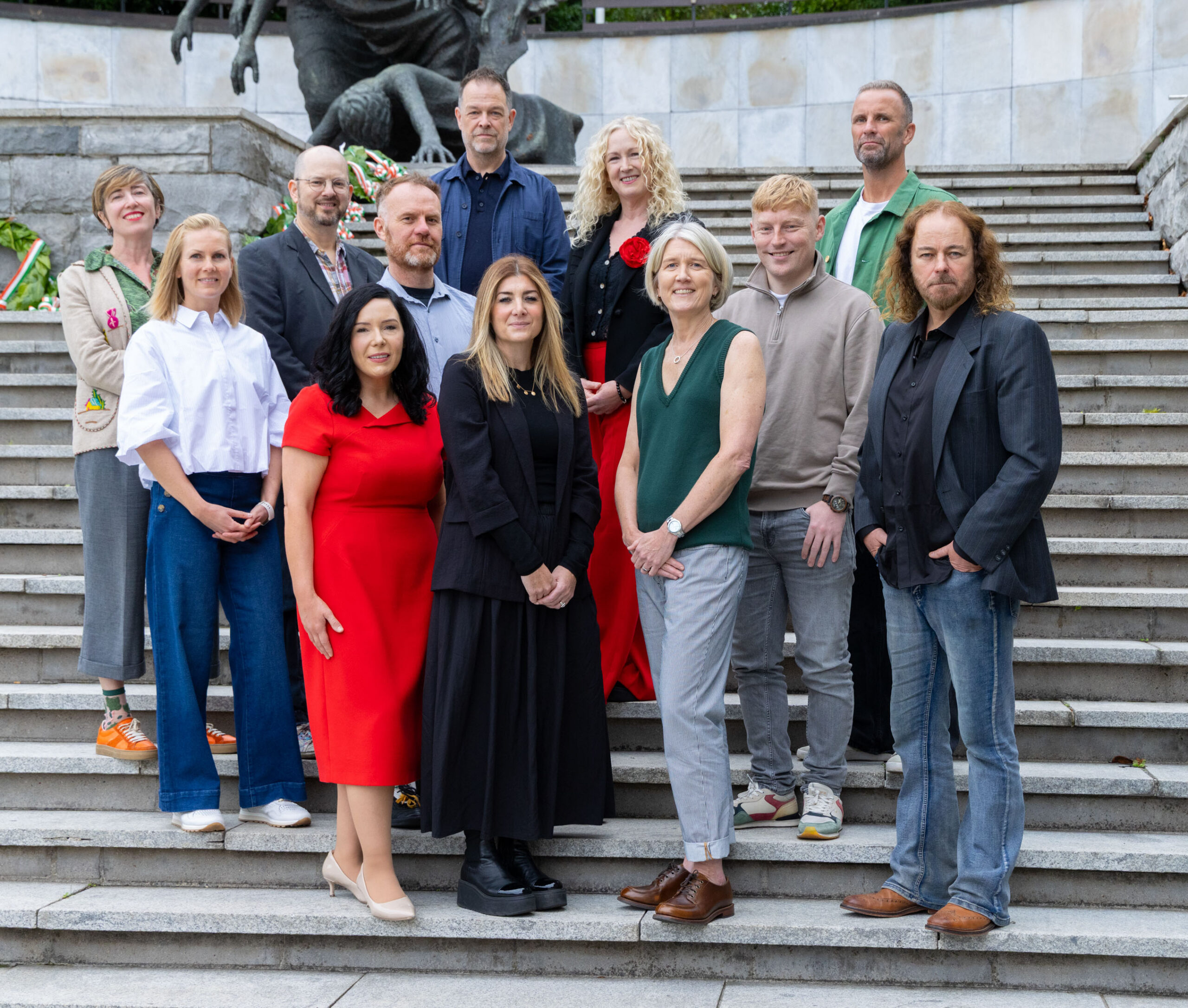

Between 10th and 11th of September, the Irish Writer’s Centre hosted its annual Pitch Day — an opportunity for aspiring writers which allows them to pitch their novels directly to literary agents and publishers, instead of going through the strenuous process of querying.
12 participants were selected, all winners of the Centre’s Debut Novel competition hosted earlier in the year. They were: Eileen Donnellan (originally from East Clare, now residing in Brač, Croatia), Fiona Ennis (Waterford), Philip Fitzpatrick (Dublin), Caitríona McGuire (Dublin), Tom Hall (Dublin), Adana Keane (Gorey, Co. Wexford), Paul McMahon (Clonakilty, Co Cork), Colin Sheridan (Salthill, Co Galway), Michael Stevens (Dublin), Zoë Dunkley (Basel, Switzerland), Angela Pertusini (London, England), Christopher Smith (Brighton, England).
In today’s literary landscape, getting published is very much the matter of luck, even with a perfect novel already written. Literary agents usually receive hundreds of query emails a week, with only a small minority ever making it into the review stage, not to mention being offered a contract. This makes competitions allowing one to skip the line deeply attractive — more than seven hundred people paid the €65 (€58.50 for members) required to even submit their work to the competition.

While the “debut novel” prize might make one think that the competition is aimed at unestablished writers, that is not exactly the case. Fiona Ennis is a professor of Literature and Philosophy at South East Technological University. Paul McMahon is a playwright whose work has been produced at the Abbey Theatre. Colin Sheridan is a journalist and columnist for the Irish Examiner. Majority of the winners have been awarded other literary prizes.
If the Pitch Day’s historical track record is anything representative, these writers will likely have had a comfortable range of publishing agencies to consider; there have been a wide slew of past publishers and literary agencies alike that have participated, notably including Penguin Random House (the world’s largest trade publisher by a considerable margin), Hachette Ireland, and Bonnier Books UK among many others.
With a contemporary creative climate oversaturated by droves of talented writers, it’s no wonder a competition like this continues to see growing turnouts. This year alone it garnered an astounding 804 submissions from 38 countries, a significant increase from the 546 submissions from 17 countries just two years prior. Moreover, it seems like somewhat of an inevitability that competitions like this have taken shape; writers already toil and tussle silently for the attention of publishers constantly – competitions like these simply make the matter visible. Nonetheless, the Irish Writers Centre’s competition and forums like it present a vital opportunity to deserving writers who otherwise may be swallowed by the bureaucratic, monstrous mechanisms of modern publishing. The 12 participants themselves, and the Pitch Day they undoubtedly worked so diligently to attend, serve as concrete testaments to that fact.