There is a certain quality of sound; Robert Altman knew all about it. It’s that sound that puts you into your own personal bubble; it’s that invisible wall that surrounds you in a crowded public place. It’s composed of layers, you know, the ones that Altman tried to capture in his films using multi-track sound. From the high frequency tinkle of teaspoons that cuts through the bass of the background hubbub, to the undertone of distant (and unobtrusive!) generic jazz. In between is the friendly chatter of hurried lunchtime conversation, and right next door the quiet conversation of a three year old romance that has just tipped over into the mundane. This is a quality of sound that is comforting. Like an Altman film, if you really want to, and are interested enough, you can hear it all and eavesdrop to your heart’s content. Or, you can be lulled in to a long lunch by a familiar blanket of sound. It allows you room to drift and think…and that glass of wine you wouldn’t usually have at midday. It’s punctuated with the clatter of trays and the impatient fussing of hungry infants, but these fade into the background if you let them. The soft step of busy feet is countered by the sharp bell calling attention to orders up. It’s euphonic; a simple pleasure, the knowledge that you are quietly alone and can remain that way, or you can step out of the bubble and into the babble. And like all good things, it’s easy to come by; sit in Bewley’s on Grafton Street for an hour and escape into the hustle and bustle, and after that if you don’t know what Robert Altman was up to, go and rent The Long Goodbye.
Mar 10, 2010
The quality of sound
Sign Up to Our Weekly Newsletters
Editors' Picks

Catering (to) Changes: Is Trinity Going Plant-Based?
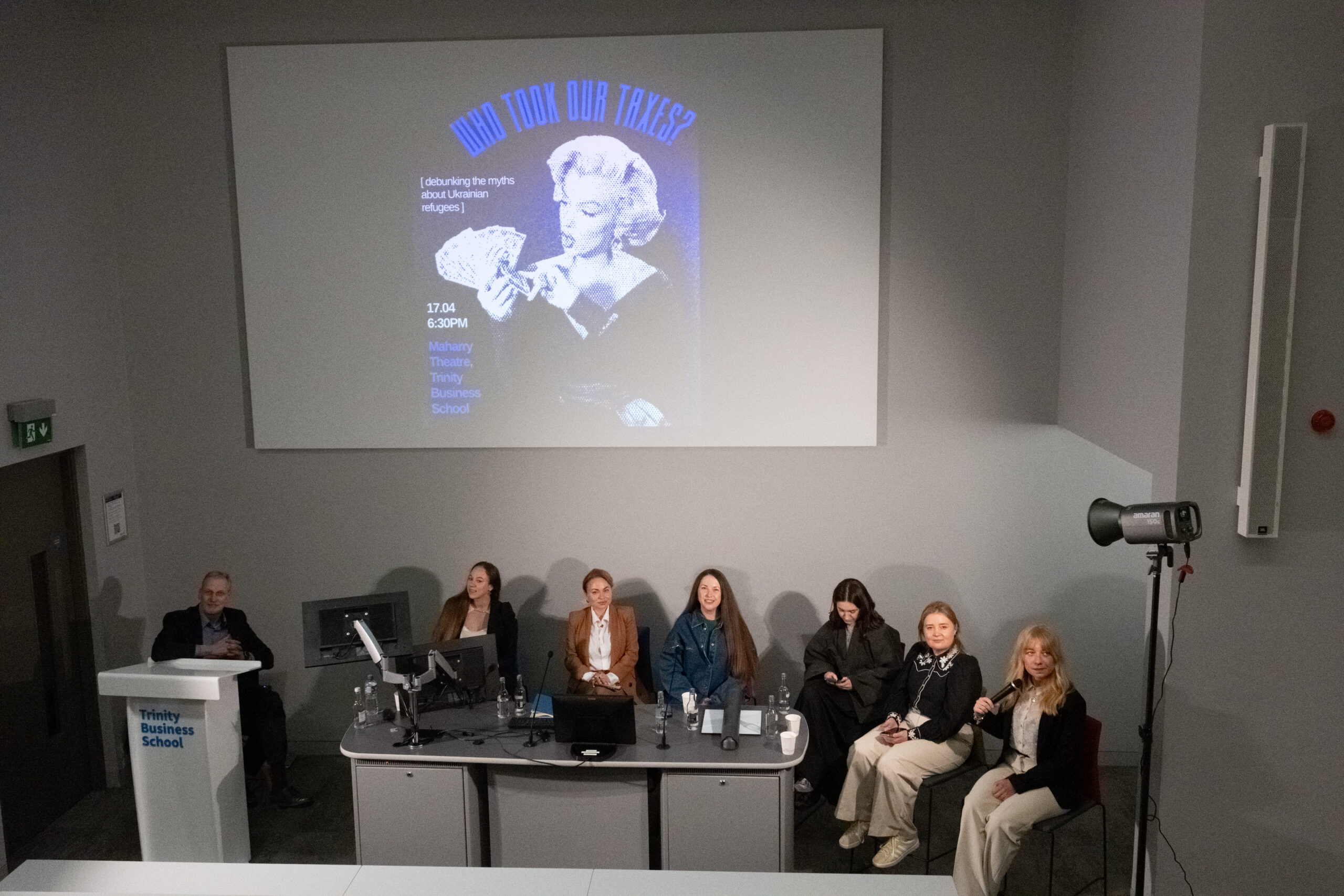
Beyond the Suitcase: How Ukrainian Resilience is Rewriting the Irish Economic Playbook

Four TV Series and a Film: April 2026

This year’s Met Gala was a Masterclass in PR

“I Know I Shouldn’t Use It But I Still Do”: The Outward Shunning and Continued Use of AI
