To be free is, at its heart, to be unbound by constraint. Yet, when the principle of freedom is applied to speech, the strength of this notion fractures. Why is it that the promise of liberty, so clearly established in many constitutional texts, often collapses the moment that words are spoken aloud and carried into the world? Why does free speech always seem to carry an underlying cost?
From a surface-level view and a structural perspective, the workings of free speech appear to be uncomplicated. Article 40.6.1 of the Irish Constitution guarantees the right of citizens to “express freely their convictions and opinions”. The First Amendment to the United States Constitution declares that “Congress shall make no law…abridging freedom of speech”. Article 10 of the European Convention on Human Rights enshrines the right to speak freely and hold opinions “without Government interference”. On paper, these articles shine a light on freedom of speech as a core human rights principle. Citizens are promised a shield against state interference and censorship. These various articles, alongside many others worldwide, are essentially a guarantee that, legally, citizens’ voices will not be silenced. However, in practice, these protections are deeply limited. It is often the case that protection in law does not extend to protection in real life. The law lays out its protections, but it can not shield citizens from social, professional and economic consequences. The duality is striking; freedom of speech exists, but its consequences often fall beyond the law’s protection.
Take, as an example, Sally Rooney, the world-renowned Irish novelist. Throughout her career, she has consistently expressed her support for Palestinian rights. In 2021, she declined an offer from an Israeli publisher to translate her work. In 2024, she joined thousands of writers in signing a letter calling for the boycott of Israeli cultural institutions. More recently, she expressed her solidarity and support for Palestine Action, a UK-based protest group, later condemned as a terrorist organisation. In the United Kingdom, endorsing this group exposed her to arrest and legal jeopardy. Beyond this, she risked professional loss, extensive backlash, and reputational damage. Her case brings to light a paramount dilemma countless others confront: how much personal cost can one endure in pursuit of their right to speak freely?
This same dynamic can be seen in the United States, where Jimmy Kimmel, the late-night talk show host, has faced severe criticism and backlash after mocking President Donald Trump and his supporters. He has faced a large wave of political backlash and has had his show temporarily pulled from the air by Disney. This reflects the role that the media plays when freedom of speech is concerned. Media institutions, often pressured by politics and motivated by profit, can silence any form of dissent from their platforms. Even figures with large platforms and resources remain vulnerable to the economic and professional costs of speech. It brings to light a core truth that the bigger one’s platform, the greater the potential for impact, but the higher the risks. Public figures carry an expectation to use their platforms for good, yet these examples show that they do so under the risk of professional costs, legal jeopardy, and economic loss.
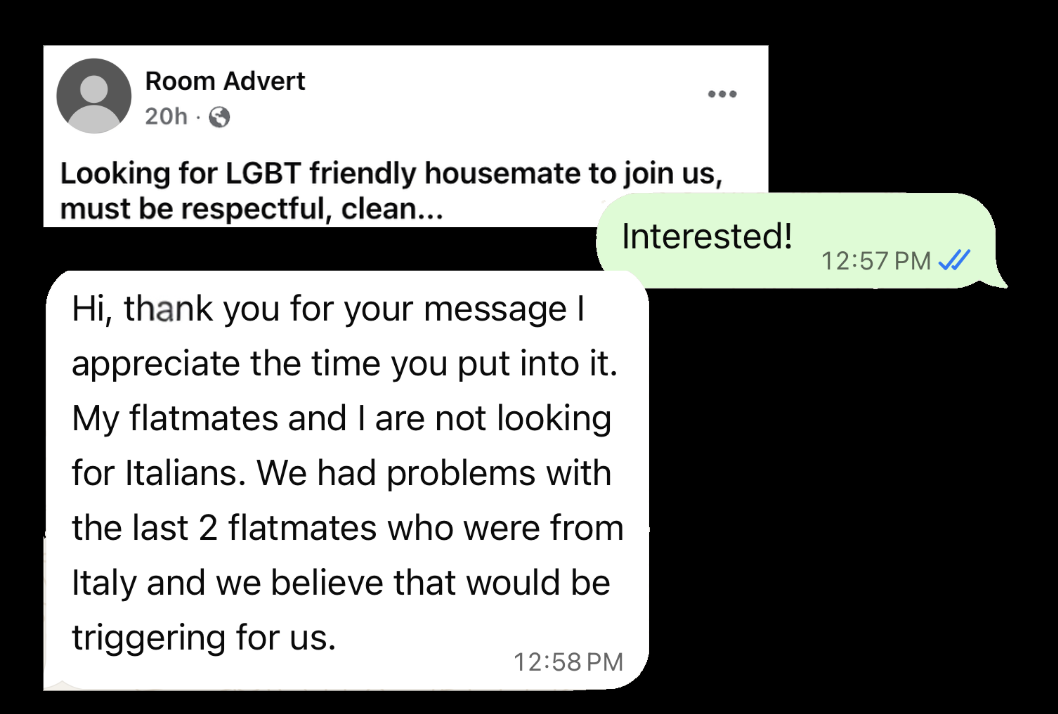
For ordinary citizens, the costs of speaking out are even more severe. An employee may lose their job for expressing an opinion on a contentious issue, or for simply posting a controversial comment on social media, despite acting entirely within the law. A student may face disciplinary action from their university for advocating for a political cause. Activists have long faced harassment, extensive backlash, and even lawsuits. Reputational harm often stems from publicly expressing opinions or participating in peaceful protests. Consider, for example, an ordinary worker at a minimum wage job. For them, speaking out can sabotage employment, threaten financial security, and endanger personal well-being. In theory, their freedom of speech exists, but in practice, it is held back by economic constraints and vulnerabilities. This underscores a common paradox in contemporary life today- the tension between the desire to speak one’s mind versus the need to protect one’s livelihood and economic safety.
This again raises the question: if free speech always carries a risk, is it truly free? For many individuals in society, the costs of speaking out are not worth the impact. For many individuals, silence is safer. In such circumstances, free speech is not a universal right, but a privilege, only accessible to those who can afford it or who are willing to be affected by the consequences.
History, however, suggests that it is exactly this cost that gives activism meaning and power. Social change often stems from individuals who endure personal sacrifice, such as reputational ruin, imprisonment or even death. Their courage underlines the harsh reality that truth, justice, and social change are rarely won without immense sacrifice. Yet, this brings to light a paramount question: should the burden of protecting freedom of speech fall on individual hardship and sacrifice? In a democratic nation, should it not be the responsibility of Governments, institutions, employers, and communities to accept and even welcome disagreement and freedom of opinion? In today’s world, when dissent aligns with the loss of reputation and the loss of livelihood, freedom of speech risks becoming a hollow, unfulfilled constitutional promise.
This dilemma has rapidly intensified in the age of social media. Today, a single post or a tweet on social media can spark global outrage, provoke boycotts, and result in significant professional and personal loss. Free speech has transformed from a constitutional guarantee to a risk that individuals must carefully weigh before exercising. The digital revolution has expanded widespread access to expression, granting people unlimited access to public platforms. Yet, it has also amplified the risks of speaking freely. Digital harassment, cancel culture, and public abrasion have become powerful forces in the digital world, often serving as tools to silence expression, even when it is entirely in line with the law.
The core issue is no longer whether freedom of speech exists; it is whether individuals are willing to bear its cost. Every person now has to weigh the potential impact of their words against the possible consequences and decide whether the change that may result is worth the risk. The experiences of Sally Rooney and Jimmy Kimmel illustrate this risk from the perspective of public figures, but these same risks extend to ordinary citizens. Every form of expression- whether a social media post, participation in a protest, or even a conversation in the workplace- carries a risk. Free speech, in this regard, transforms into a scale of risks versus impact. Those who are willing to take these risks- whether it be novelists, show hosts, activists, or ordinary workers- force society to face and confront this issue. They make clear that free speech is not merely a right on paper, but something that can carry real, tangible costs for those who choose to exercise it.