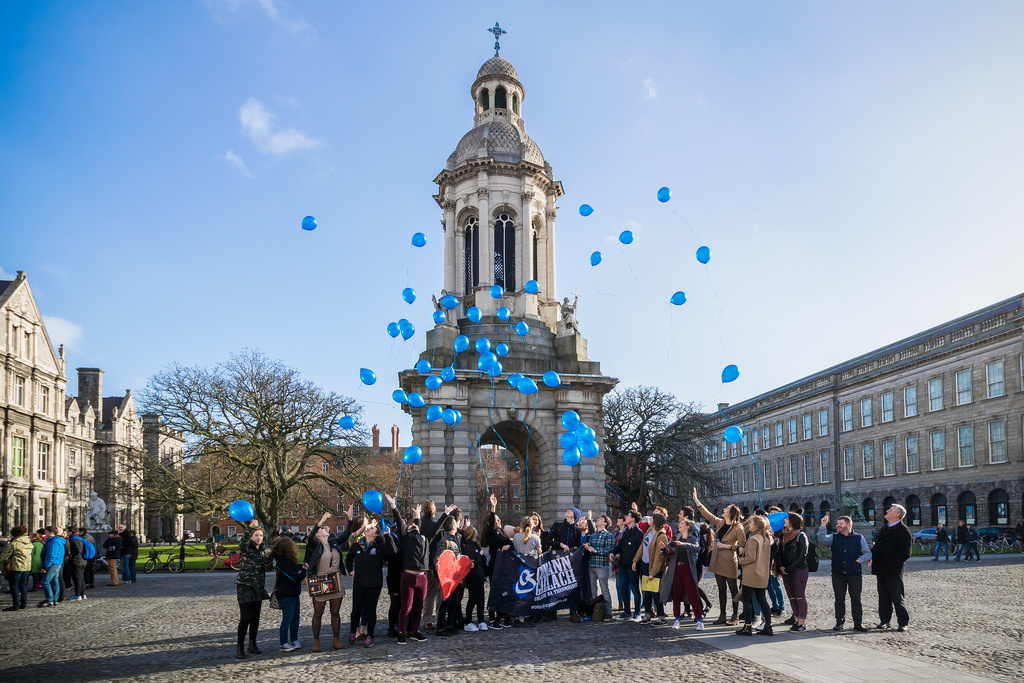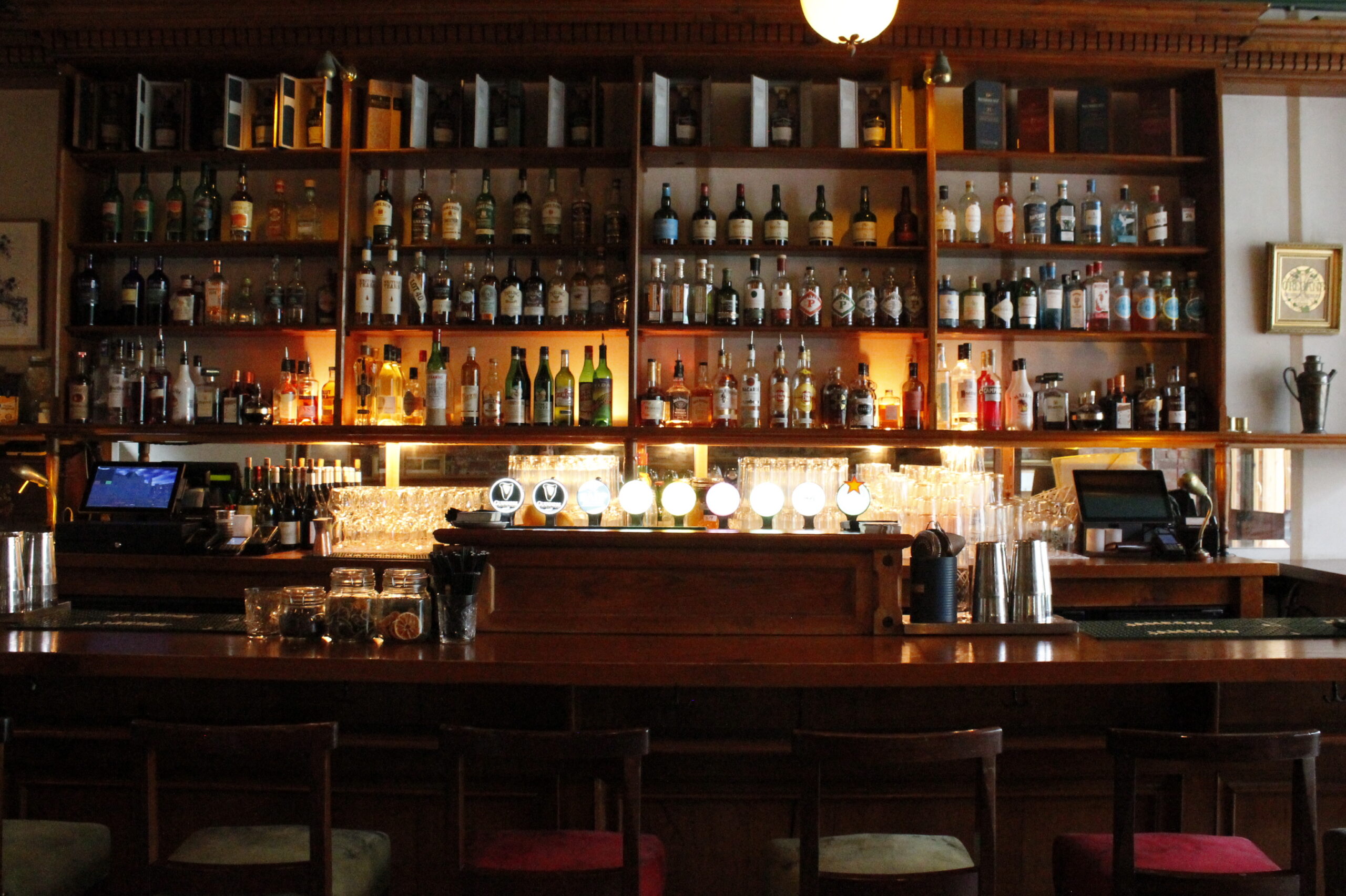
There is a general agreement in acknowledging that Trinity College has a lack of spaces dedicated fully to students, whether meant for study, leisure, or something else. In these first few months of the year, one of the most common questions heard from the incoming freshers is “Where can I hang-out on campus? The library is always full”; but it is not only them who notice; many students will tell tales of years spent struggling to find a free desk in the library, or a table in the buttery during lunch-rush. These issues seem to have become a commonplace underlying aspect of life on campus, but how can it be that everywhere seems full all the time, every day?
Despite what one might think, the problem isn’t due to lack of options; TCD actually does provide a variety of different types of student spaces on campus – the problem is that these spaces each have their own flaws.
The most important student spaces of Trinity are the libraries. It’s where the crux of academic resources, materials, and services can be found, while also being the de-facto study spot across the board. The library really shapes the coming-and-going of campus life, and yet – as many might already know – actually managing to find a comfortable spot inside any library building proves more challenging than it should. Given that only certain desks have an outlet to charge electronics, demand gravitates towards those areas, but this does not mean the rest of it stays empty; it’s a game of careful timing to find a free chair at any time other than 09:00 on the dot.

Similarly, the cafeteria spots like the Buttery and Dining Hall suffer the same over-crowding. The breakfast hours might be reasonably empty and calm, but the same cannot be said about the lunch rush. Turns out, a substantial majority of people will want to have their lunch between 12:00 and 15:00pm, so you can forget about just nipping in and out to grab a bite between lectures. More or less the same happens with the various cafés strewn across campus; they provide wonderful service and food, but their demand gets swamped almost hourly, as hungry students rush to get their snacks between one lecture and the next. All of this just leads to the creation of gargantuan queues of unprecedented proportions, any available seating located anywhere near these food sources occupied, with a 20 minute to 3 hour wait.
Yet there’s places like the Arts Block or the Hamilton as well – the space that students will inhabit during the majority of their academic careers, since they house everything from lectures and seminars, to labs, and any other in-person academic activity. In fact, within these buildings there are several seating areas and some dedicated student spaces – equipped with the coveted microwave and sink combo – plus multiple areas dedicated to independent study. But nothing can change the fact that these are, fundamentally, lecture halls; people need to get from one place to the next fast, and so great masses of people move in unison for the hourly shift change. This leaves the seating options along the corridors and the study areas not ideal for either focusing or relaxing, once again ever in high demand and prone to overcrowding. The only spaces on campus which, seemingly, are big enough to accommodate everyone are the outdoor areas; on sunny days at least half of the student population migrates onto the fields or benches like some sort of reptilian hybrid. These areas are evidently well-liked, however the reality is they, like everything else, must submit to the Dublin weather. More often than not, the great outdoors of TCD campus is too grey and miserable to spend much time in, and when it isn’t students are still having to race against tourists to get the best spots.
Oftentimes, when we look at it closer, these sorts of issues are the compound of multiple other issues stacked together and hiding under a big trench coat. The same can be said in this case; what at a glance might just seem an issue of bad luck and poor planning however reveals itself to be much more complex. An important factor feeding into the overcrowding of Trinity Campus, and the subsequent lack of spaces available to students, stems from the ever-cursing and overarching cost-of-living and accommodation crisis in Dublin. Year after year, the city is stretched a bit thinner – available housing is scarce and in high demand, which pushes the prices up and the location of affordable locations further and further from the city centre. The vast majority of Trinity Students who need to be on campus therefore must commute into the city every day, facing daunting and exhausting travel time each way. Now, apart from the obvious economic and psychological downsides that this situation poses to these commuters, this also heavily impacts how life on campus unfolds, and not for the better.
Firstly, the commute times and the accompanying cost mean that students are incentivised to reduce their number of overall trips. Additionally, whoever comes up with class schedules at this university seems wholly unaware of most norms of social conduct; gaps of multiple hours between classes and seminars are common, and very few have the luxury of picking much of their modules. The scheduling also logically wants to fill as many rooms as possible for as long as possible every day, which means that the times range from horrifically early to gruelingly late.
Day after day a huge amount of people are stuck here over large stretches of time, and so all spaces available to them end up overcrowded and inaccessible. So everyone’s forced into competition with each other, and not just with students, but with staff members, and with tourists, just to find a comfortable place on the campus that they pay hefty fees to attend.
This lack of resources seems counterintuitive, since Trinity’s stated desire is to foster an environment of support for its students, encouraging them to fulfill their full potential throughout their academic journeys. Now, learning is, surprisingly, made much more difficult when one doesn’t know where to go, or if they’ll even be able to find a spot to wait out their four-hour break between classes, or if they’ll have to wait around hungry for an extra hour at lunch time because all the tables are full.
I don’t believe, and I don’t think it is fair to say, that this problem is due to any maliciousness or willful mis-management; nobody derives any joy from a clearly uncomfortable and annoying situation. What it is, rather, is the consequence of an unpredicted change in circumstance, leading to a situation of poor-planning. Considering the different pressures and difficulties we’ve discussed here, something needs to happen somewhere higher up. Whatever the solutions to this problem may be – either making way for new development projects on campus, or for renovations of existing spaces – a discussion needs to be had.