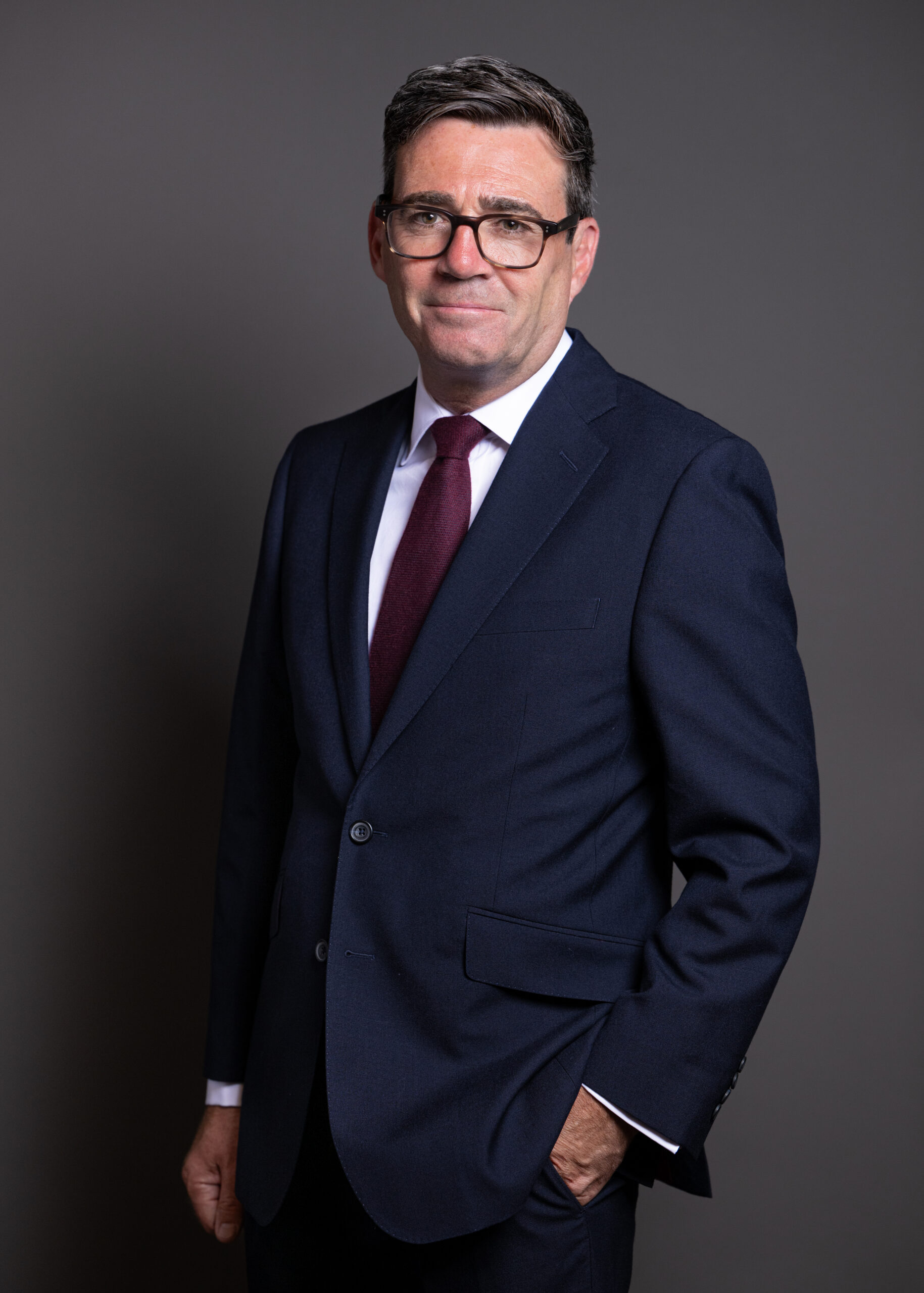
This year, Alan Irvine appeared on the Highly Cited Researcher list for the first time, which was a pleasant surprise for him. Even though he has been working in dermatology for thirty years, he does not track or expect such recognition. Interestingly, among all Trinity researchers appearing on the list this year, he is the only one who did not study at Trinity before his lectureship.
When Professor Alan Irvine was choosing his specialty in the mid-1990s, dermatology was not scientifically advanced, so he saw immense potential for new insights, discoveries and improvements in patient care. He reports observing huge advancements over his career, particularly in the understanding of disease causation and treatment. “It’s been very satisfying to watch all of that play out and to be a small part of it”, he reflected. “It has been hugely rewarding to discover the drivers of diseases, design clinical trials and see people benefit from those insights.”
However, he admits that translating discoveries into clinical practice is challenging because of a long delay between identifying a cause and developing an effective therapy. For common diseases, it can last more than ten years, and for rare conditions the timeframe can double or triple. “That translational delay is frustrating”, he admits, “because during clinical research you are working with patients, taking blood samples or biopsies from them. You’re talking to them about their story and life. And then, you want to give them something back because they’ve contributed a lot to science. However, it often takes a lot longer than anybody would want to”. He explains that the delay is caused by the complexities of the science and regulatory requirements. Any new treatments have to be proven safe and effective, and such evidence must also be gathered in a scientifically rigorous and ethically correct way. “There is simply no easy way to fast track that and to do it properly.”

The main focus of his research is on epithelial genetics – the study of how genes affect the functioning of skin and tissues covering organs. He has dedicated significant effort to investigating the pathogenesis and therapy of atopic dermatitis, a condition causing itchy and inflamed skin. His work is directed towards improving the lives of people with both common and rare skin disorders.
Besides conducting research, Alan Irvine also stepped into a founding role, aiming to improve patient support services. In 2011, Ireland had no dedicated patient support organisations outside hospitals, and Alan recognised the need for daily guidance and advice for people living with skin diseases. The sale of the hospital on Hume street provided him with the funds that enabled the establishment of the Irish Skin Foundation, where he became one of the founding directors and held this position for five years before the end of his term.
Currently, Alan Irvine is the president of the International Eczema Council – an organisation established eleven years ago to harness emerging insights about the atopic dermatitis or eczema treatment. When it was founded, there were no approved therapies by the Food and Drug Administration (FDA) or the European Medicines Agency (EMA) for treating eczema. Today, depending on the country, more than six therapies are approved. “And there are many, many more [therapies] in development”, Alan said. “That’s been extraordinary to watch the treatment options evolving over a decade.”
Alan believes his most scientifically impactful achievement was the discovery of common genes that lead to skin barrier dysfunction, ultimately causing allergies and eczema. Back in 2006, he identified the major genetic causes together with his colleague Erwin McLean, shifting clinical understanding of the role genetics play in skin disease pathogenesis.
Over more than fifteen years, Alan Irvine has worked with Padraic Fallon, Luke O’Neill and Sarah Doyle, all of whom are affiliated with Trinity. “This has been very rewarding to work with really good scientists in the Trinity ecosystem”, he reflected.
Like most researchers, Alan Irvine emphasises the importance of collaboration. “There was a time when small labs working alone made significant discoveries, but the pace and complexity of science has changed a lot”, he said. “Now, it’s rarely possible for people to do high-level science entirely on their own, so collaboration is essential.”
Alan Irvine believes that exposure to world-class science and diverse perspectives is incredibly important for students. He himself travelled to Chicago as a Fulbright Scholar, and he reflects that he learned a lot about patient care, different cultures and scientific techniques. “That was foundational, and I think it’s something every young researcher or clinical scientist should do.”