
Preventative healthcare represents one of the most effective ways to reduce long-term costs in the Irish healthcare system. Year after year, government spending on healthcare continues to rise, reaching €36.6 billion in 2024, yet improvements in the efficiency of the Health Service Executive (HSE) remain limited. With Ireland’s ageing population and growing demographic pressures, this trajectory is not sustainable. Recognising this challenge, the latest Programme for Government committed to expanding preventative healthcare measures, including gym membership tax credits, the continuation of Healthy Ireland initiatives, and a range of mental and physical health programmes introduced by the previous government.
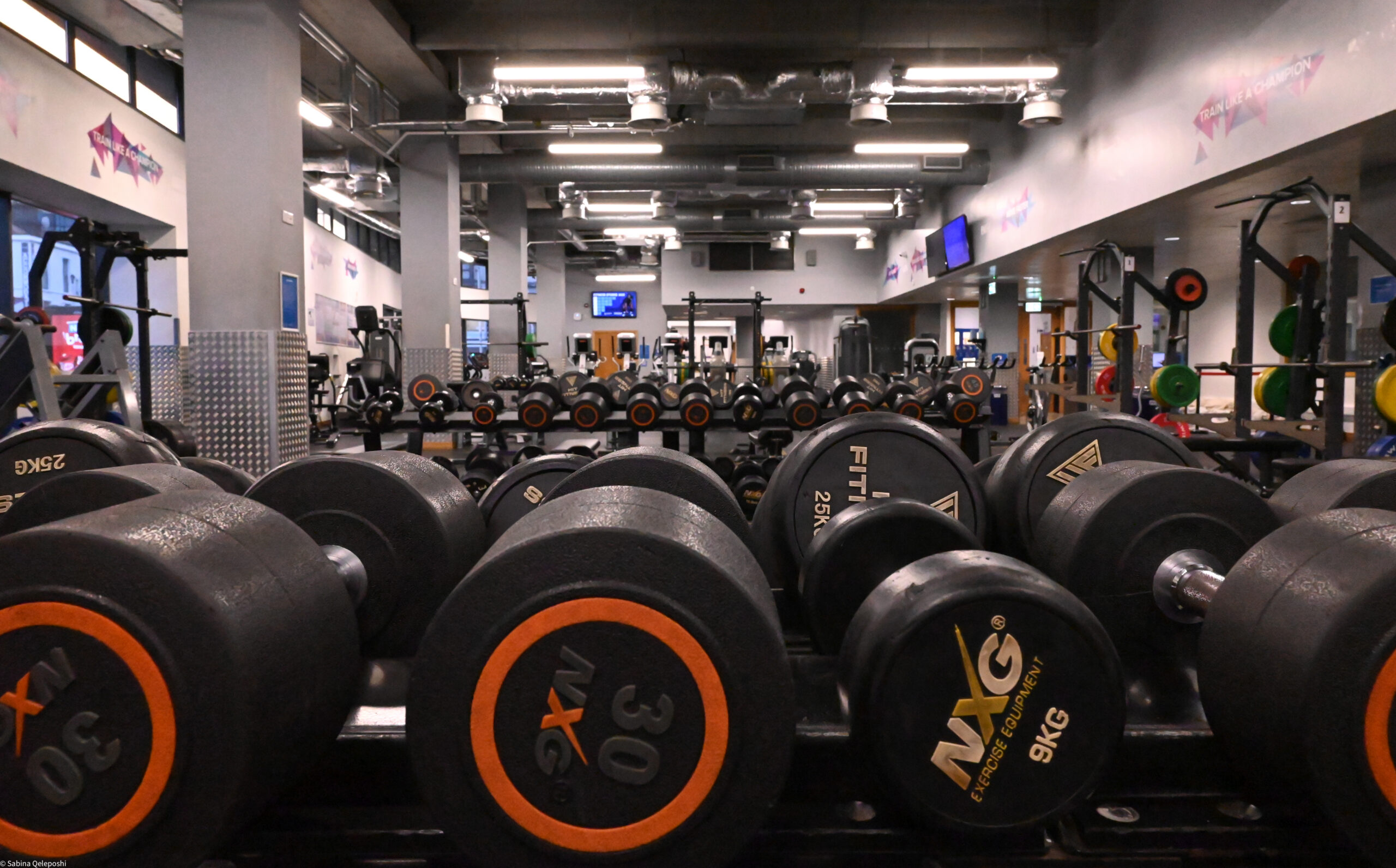
Policies such as the gym tax credit are crucial in improving public health, particularly as more than 700,000 people in Ireland now use gym services, a figure that continues to grow each year. Importantly, this proposal is not a subsidy for a hobby. For many in the “squeezed middle”, discretionary spending on physical activity is often among the first expenses cut when household budgets come under pressure. This tax relief would instead recognise exercise as a long-term investment in public health.
International evidence demonstrates the potential benefits of this approach. In Newfoundland, Canada, gym membership increased by 25% following the introduction of similar measures. Prevention-focused investments also offer strong economic returns. A recent McKinsey study found that preventative healthcare initiatives can generate returns of between two and four times the initial investment. While no single policy can solve every challenge facing the healthcare system, measures that encourage healthier lifestyles can help reduce future pressures and costs.
The political case is equally compelling. According to an online survey conducted by The Journal, gym membership tax relief enjoys a 62% approval rating among the public. IBEC has also endorsed the measure as a positive step for workforce wellbeing. For the current government, embracing practical and popular preventative healthcare policies presents an opportunity to connect with a younger, health-conscious generation and respond to broader cultural shifts. Indeed, the number of gym users in Ireland now exceeds the number of people participating in GAA.
Preventative healthcare alone will not resolve the systemic issues facing Irish healthcare. However, it offers a clear and achievable pathway towards lower long-term costs, improved physical health, and better mental wellbeing. Politically, it is a tangible, progressive policy with broad appeal, particularly among younger voters, while remaining consistent with the targets set out by the programme for government. It is precisely these common-sense policies which the government should be pushing to continue bridging the gap between the government and its younger voters.