Following the closure of The Complex, a live arts centre on Dublin’s north side, anxieties about public access to cultural spaces have been brought to the forefront of the arts community. An inability and unwillingness by local and national government to secure a viable solution to the venue’s tenancy issues have caused the loss of this vibrant, internationally-recognised, and vital piece of cultural infrastructure — representing, as CEO Vanessa Fielding terms it, “a failure of cultural policy, accountability, and long-term planning within the public system”. Indeed, it is apparent that there are fewer and fewer cultural spaces within Dublin, as rent prices skyrocket and immediate economic development is prized over long-term cultural growth. At the beginning of the 2010s, an era of hope for cultural spaces followed the devastation of the recession, with organisations such as Block T and Basic Space established in 2010, and older institutes such as the Tivoli Theatre continuing to thrive. Now, all of these have closed their physical doors — not at the want of the public, but at the demand of landlords and increasing rent. It is clear that the anticipation for the arts felt by many of the communities of Dublin was not shared by the proprietors and government of the city. Rather, they have invested in attracting overseas enterprises to establish themselves in Ireland, putting aside the needs of the people in favour of profit. Now, with the closure of The Complex, another pillar supporting the community of Dublin has fallen and the arts are more vulnerable than ever. It raises the question, then, of who Dublin and its public spaces are actually for.
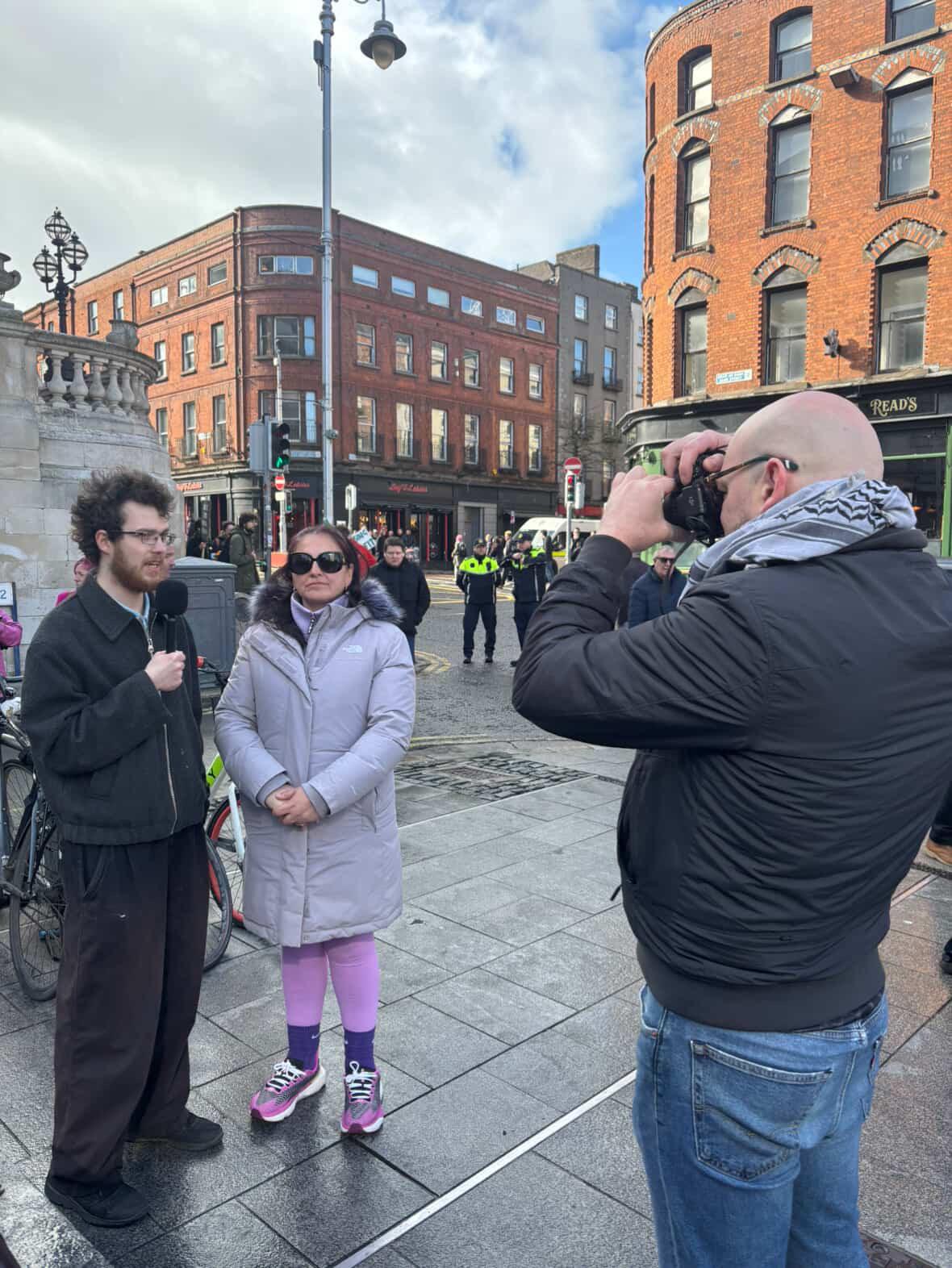
The Complex was a longstanding grassroots organization and movement to bring arts to the northwest inner city, and was active for eighteen years. It supplied hundreds of artists over the years with the space and agency to create freely, honouring Ireland’s cultural tradition of the arts in the process. The building itself was a formerly derelict fruit warehouse; converted by Artistic Director Vanessa Fieldings and a team of resident artists, it boasted a gallery space, eighteen artists studios, and a large performance theatre. However, similar to many other arts facilities in Dublin, The Complex operated under the looming threat of rent hikes and eviction in favour of commercial development. In spite of this intimidation, The Complex mounted a tremendous community-centered protest against its closing, including three nights of music to create a “groundswell” of support and a rally on December 17th to deliver a petition with over 16,600 signatures to the Dáil Éireann. In the end, no agreement between the landlord and Dublin City Council was reached, and The Complex officially closed down on January 15th.
In a statement cementing the outcome, Fieldings cited the result as standing “in direct contradiction to stated commitments to support Irish arts, cultural employment, and equitable access to cultural life in Dublin”. It is true that as, over the years, artists and creatives have been priced out of Dublin and communities fractured by a lack of public spaces, many feel helpless in the face of the unending march of capitalistic venture. Dublin City Council must realise that the production and export of cultural heritage far surpasses the monetary allure of any imported foreign direct investment. In a moment where Ireland is gaining recognition internationally for its contributions to film, music, writing, and traditional arts, it stings to know that art is not being advocated for by the government back home. With the loss of The Complex, there is one less anchor for the arts community to hold onto.

The fragility of such an important cultural institution is just a symptom of a larger problem of inadequate access to the arts within Dublin. There is an inherent connection between public, cultural spaces and artistic expression — without the former, it is more difficult to produce the latter. With a government that, despite all its proclamation of support for the arts, remains complicit in the shuttering of countless communal organisations, Dublin stands in the midst of a drought. Even if a career in the arts is becoming more accessible with the passing of the Basic Income for the Arts, it is unattainable and unfeasible if creatives have nowhere to produce art. As Dublin continues to develop as a prominent international city, it must invest further in communal spaces and accessible art. One is only as good as the sum of its parts, and if it is only a hollow corporate rapacity offered to visitors and residents, the iconic cultural environment previously cultivated in Dublin has the potential to fade into the background.