
Something about listening to vinyl makes music feel deliberate. In an age where any song can be summoned instantly, shuffled, and skipped on a whim, the turntable demands intent.
When you put on a record, the first sound you hear is not a chord or hook. It is the faint crackle of dust and time – the thrilling promise that something is about to begin. That small pause of anticipation already feels different from clicking “play” on a phone.
Vinyl draws you into an atmosphere that nothing else can match. The warmth of analogue sound fills the room in a way that digital cannot replicate: bass notes thrum, horns radiate warmth, and voices hover in the stillness. This is about presence, about feeling as though the musicians are in the room.

Part of the joy lies in slowing down. A record demands that you stay with it. You cannot dart restlessly between tracks. Instead, you surrender to the album as the artist intended. Flipping from side A to B becomes its own intermission, a chance to absorb and anticipate. Listening to vinyl is an occasion, often savoured in solitude.
Jazz records, in particular, thrive in this medium. A Davis solo or a Nina vocal carries a haunting quality on vinyl, as though the grooves themselves have trapped the echoes of the studio. Even silence is charged. When the last track fades, the needle reaches its end and the room hangs in a pregnant hush, leaving you alone with what you have heard.
With the sleeve propped against the wall and the room awash with sound, you feel music in a different way. Vinyl is at the core of that classic aesthetic, found in books and movies ranging from the foreboding phonograph in And Then There Were None to the hedonistic Jazz Age parties of The Great Gatsby.
Vinyl sales in Ireland are at their highest point since the nineties. Since Dublin’s first record store, Golden Discs, opened on Tara Street in 1962, our love affair with the format has peaked, troughed, and risen anew. That fledgling empire later expanded and was soon followed by DJ Pat Egan, who used a £500 loan to establish the Sound Cellar on Nassau Street.
At vinyl’s peak in 1979, Dublin was home to over 40 record stores. By focusing on local artists and communities, these Irish businesses survived the invasion of British megastores like Virgin and HMV in the 1980s. Slowly, however, they began to shut their doors. Camelot on Talbot Street is now a phone repair shop, Dolphin Discs on Capel Street was demolished, and Murray’s in Dún Laoghaire became a funeral home.
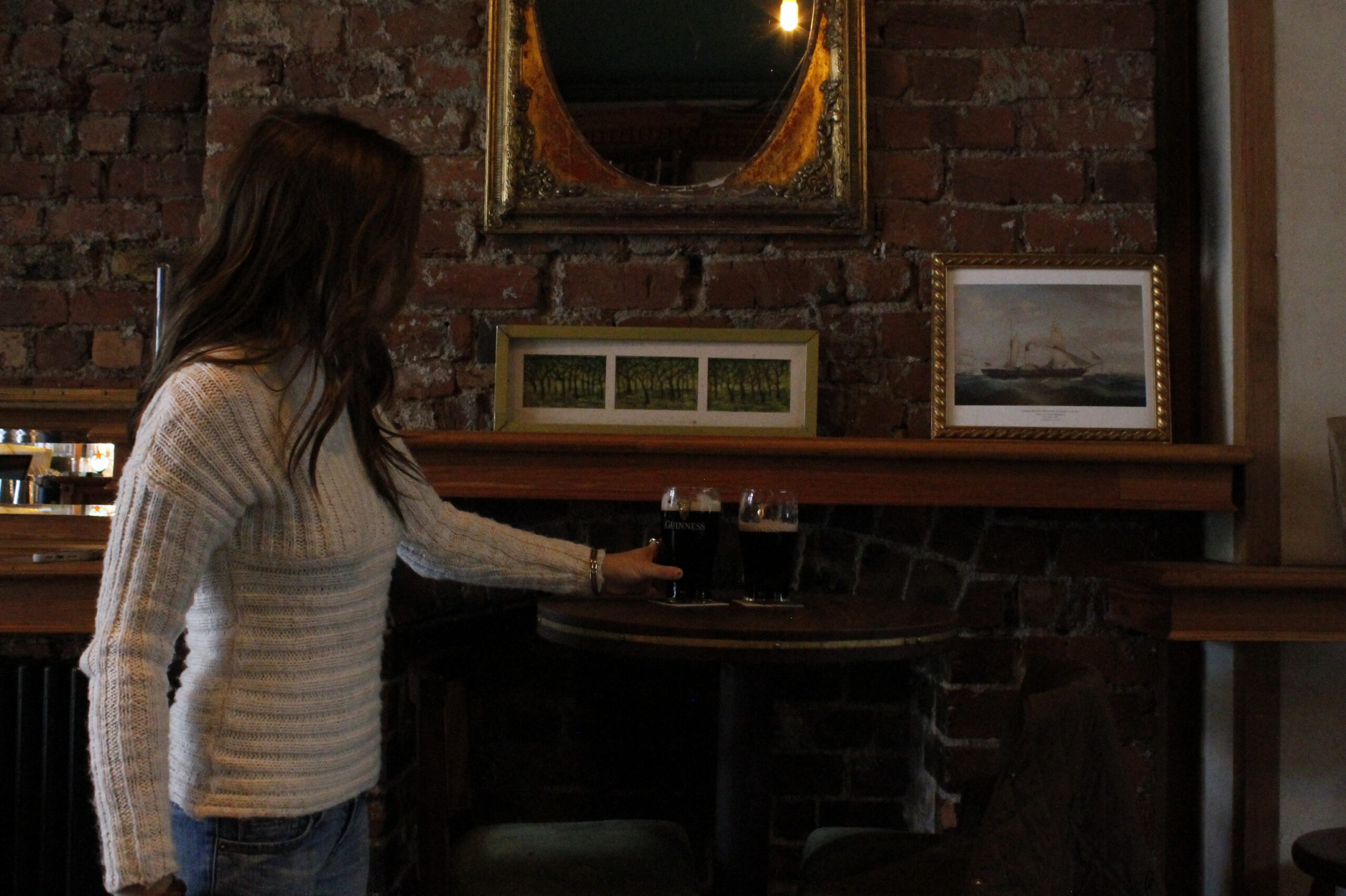
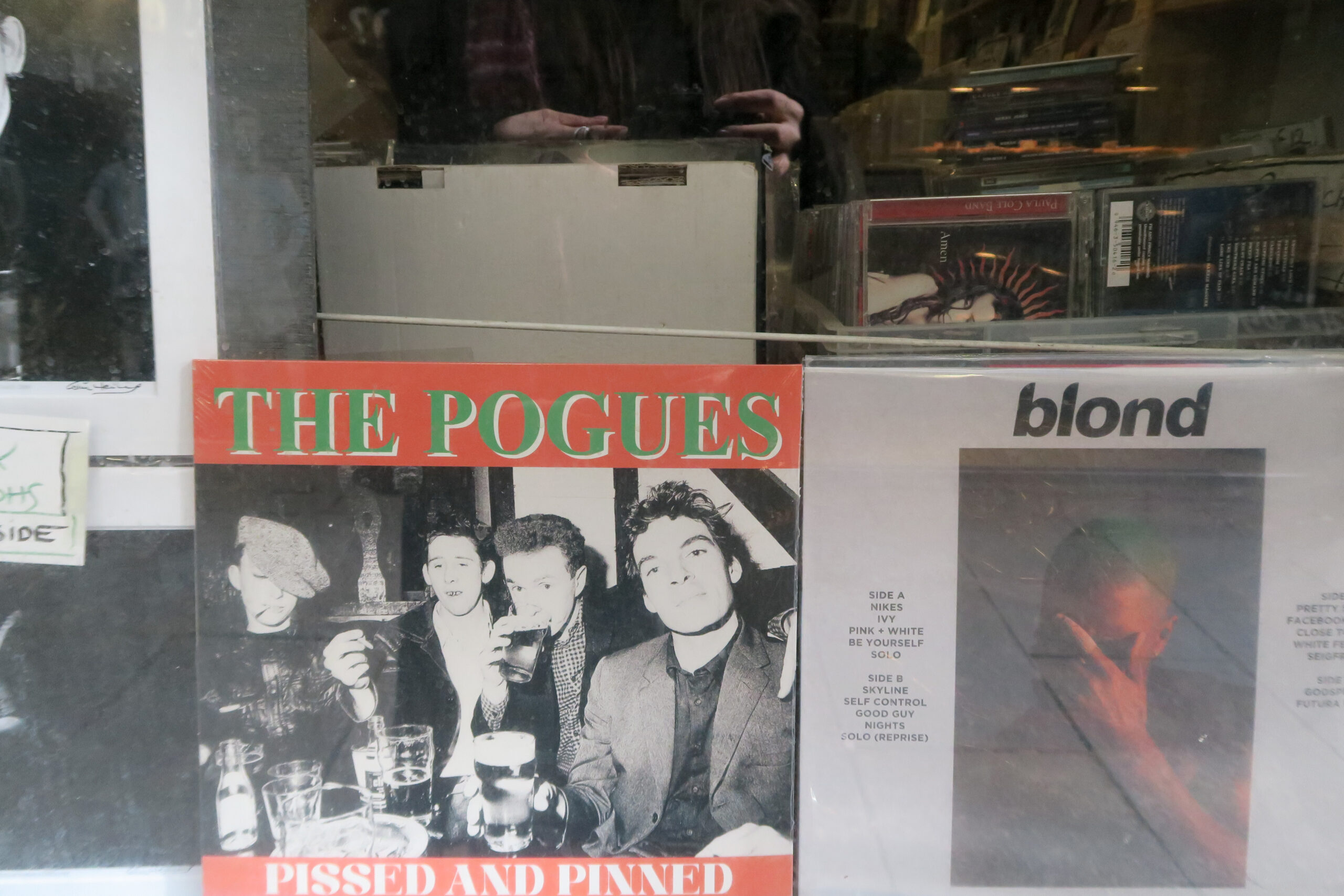
Yet the tide has turned, and a trip to the record store is once again a celebrated Dublin pastime. Browsing through rows of sleeves at Freebird on Wicklow Street or Spindizzy in George’s Arcade, glancing at the interests of other buyers beside you, you are immersed in possibility. Aside from the bigger names like Tower Records, All City offers hip-hop and dance, and across the road, the R.A.G.E. provides a wide variety of second-hand bargains.
The “listening bar” concept has also gained popularity in Dublin, most notably at The Big Romance on Parnell Street and Smithfield’s Fidelity Bar.
For 48 years, Freebird have championed the appeal of physical media. Jack notes that collectors value the sense of ownership vinyl provides: “You buy a record once and in thirty years’ time you can still listen to the same record and enjoy it.” Compared to the passive nature of streaming, he describes listening to vinyl as a more “active experience.” This revival is not limited to records – Freebird have observed a significant comeback for CDs and even cassettes. The shop carries both new releases and reissues, alongside a vast collection of used records. Indie rock and electronic records lead the way for new releases, while jazz, soul, and reggae remain the most popular genres for reissues.
Supporting a local shop feels different from scrolling through an app. It sustains a community and a physical space where conversations spark. There is a romance in leaving with a bag under your arm, knowing that you have chosen something tangible that will soon fill your home.
There is beauty not just in the sound but in the object itself. Album artwork shines at 12 inches and lyric sheets invite you to follow every word. Coloured wax adds another layer of delight, with marbled patterns spinning hypnotically under the needle.
Discoveries begin with the eyes. You might pick up a record you have never heard simply because the cover art captivates you. That impulse can lead to finding an artist who becomes a lifelong companion. Each addition to a collection carries its own story, the serendipity of a chance encounter or a temptation you could not resist.
Vinyl has been produced in Ireland since the 1950s, beginning in a disused railway shed in Ferrybank, Co. Waterford. Anthem Vinyl opened a pressing plant in Clane, Co. Kildare last April, the only such factory in the country after the decline over previous decades. The medium is still evolving; the first re-release by Anthem was a ‘smart vinyl’ of Declan O’Rourke’s Since Kyabram, which featured a QR code linking to exclusive digital content. Vinyl sales in Ireland have increased by over 80 per cent since 2018, while industry revenue grew tenfold from 2014 to 2020.
Collections grow slowly, piece by piece. Some records arrive second-hand, carrying the fingerprints of previous listeners. Others come from family, passed down across generations. To inherit a stack of LPs is to inherit part of their lives, their tastes, and their memories.
Playing those albums connects you with the past, with dark evenings long ago when the same grooves filled another room with sound. Unlike streaming, which can vanish with a lapsed subscription, a record is yours forever. As long as it is not a fragile 78 rpm shellac record, fashioned from the resin of the lac bug, it is built to last. The album is a constant companion waiting patiently on the shelf.
Vinyl’s resurgence is proof of its lasting appeal. At first dismissed as a nostalgic fad, sales have grown year after year. New artists press their albums alongside digital releases, recognising that fans still crave the tactile. To hold a record is to own a slice of music history.
Perhaps what makes vinyl so enduring is the way it fuses sound, sight, and touch. It is music you feel with your fingers as much as your ears. It rewards patience and invites immersion. It thrives in community but also flourishes in solitude, when you are alone with nothing but a voice, an instrument, and the needle tracing its spiral path.
In every crackle, every haunting note, and every silence after the final groove, vinyl reminds us that listening to music is not just about hearing, but surrendering to the quiet power of a melody.
So, why wait for the fanfare of Record Store Day in April to support your local shop? Whether you are flicking through the crates at Freebird, Spindizzy, or the R.A.G.E., Dublin’s vinyl sanctuaries are spinning a record for every music fan.