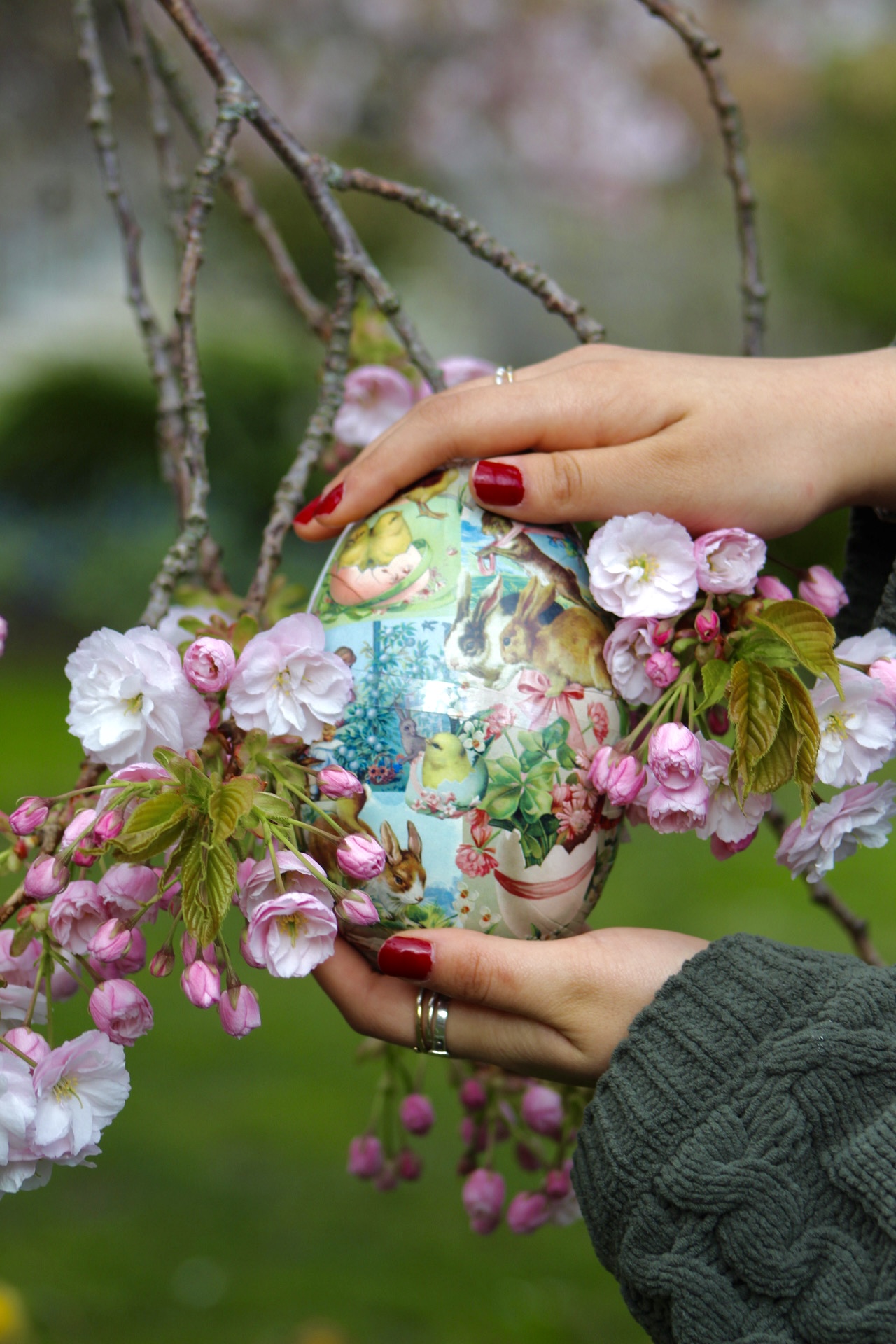

This Sunday, April 5th, 2026, Easter will be celebrated across the world and in Ireland, where it represents much more than chocolate eggs and a well-earned study break for us college students. It is a holiday shaped by family, religion, and commemoration, carrying a particular historical resonance from the 1916 Easter Rising, Ireland’s armed insurrection against British rule. The timing of the rebellion was no coincidence, with its leaders hoping for a national rebirth much like the resurrection of Jesus Christ.
Across Ireland, various events are taking place, such as traditional egg hunts in popular locations such as Greenan Maze in Wicklow and Brigit’s Garden in Galway, offering activities for all age groups. Festivals also play a key role, with the Easter racing festival at Cork Racecourse (April 4th to 6th, 2026) combining top-class jump racing with live music and entertainment.
In Dublin, a state ceremony will take place in front of the General Post Office on Easter Sunday, honouring the legacy of the Easter Rising. At the same time, venues across the city are hosting themed events, including activities at Dublin Zoo, Easter celebrations at Butler’s Chocolate Experience, and interactive quests at Dublinia. The National Museum of Ireland also offers workshops, tours, and self-guided trails suitable for all ages.

Additionally, there are family-oriented events such as egg hunts in Blackrock Park and Custom House Quay in Dublin 1, and an Easter fair at Richmond Barracks. Performances include those at the Seán O’Casey Theatre with the Five Lamps Art Festival. Seasonal experiences are also taking place in Luggwoods with their enchanted forest trail.
Modern Irish Easter traditions are greatly reflective of customs from the country’s past. In the past, during the Holy Week of Easter, an Easter house made of sticks and sod would be built, while collected eggs were carefully kept and only eaten on Easter Sunday.
In the 1930s, clúdóg was a popular tradition, where children would go from house to house, collecting four eggs at a time before gathering to eat them at a picnic.
Another common custom was the mock “funeral for a herring”, organised by butchers to mark the end of Lent, sometimes accompanied by the symbolic act of beating a herring beforehand.
Other traditions included waking early to watch the Easter sunrise, as well as Easter dance contests, where winners would receive decorated cakes. Food also played a central role, with Easter Sunday meals consisting of dishes with leek soup, roast lamb, vegetables, and roast ham, followed by a dessert of cakes or buns.
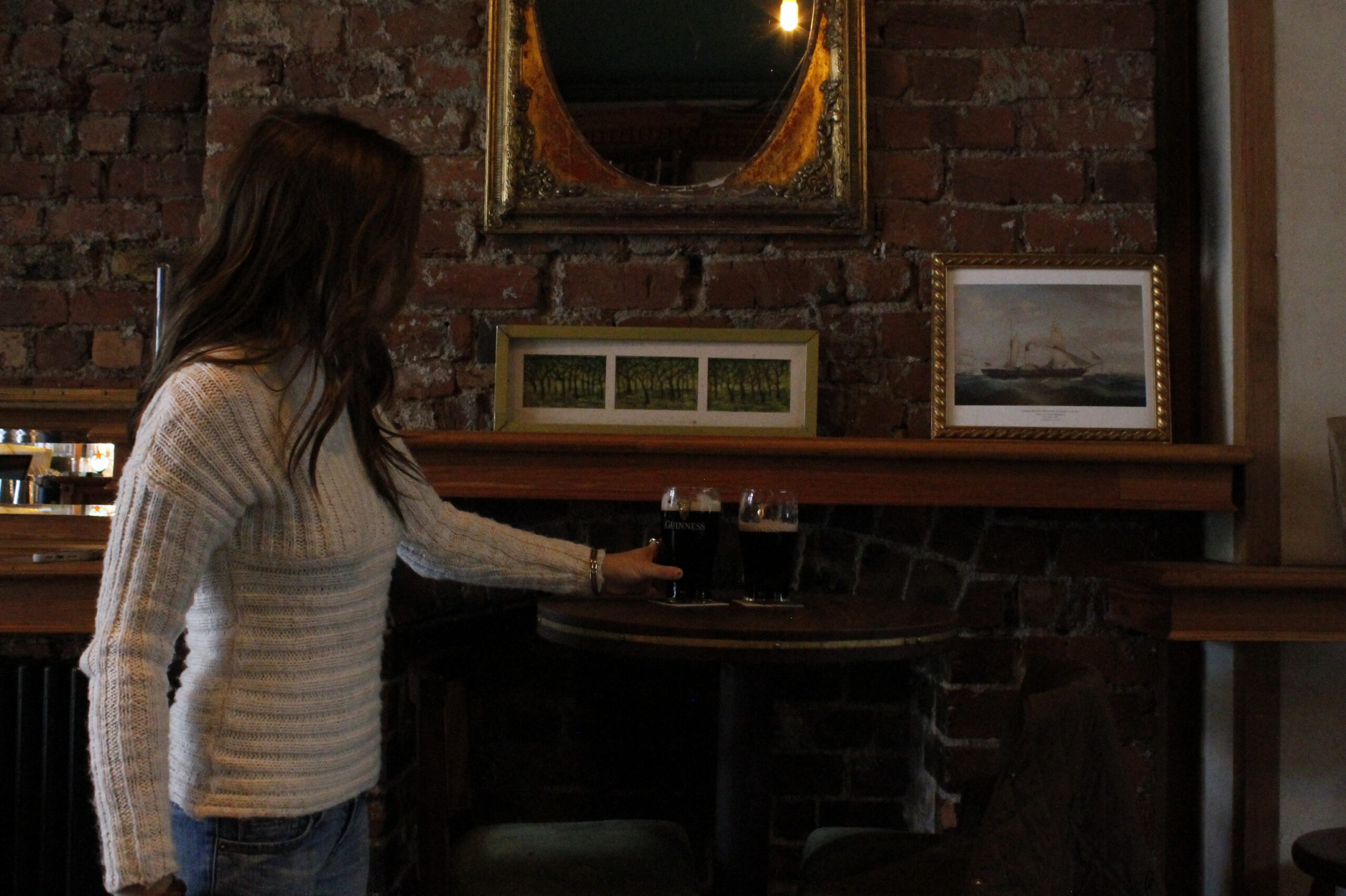
These relics of the past are reflected in modern-day tradition, which includes dinner, egg decoration, chocolate eggs, attending mass, spring fairs and, thanks to the lifting of the Good Friday alcohol restrictions in 2018, gathering in pubs.
Irish folklore is also central to the holiday. Stemming from Irish folklore come traditions such as completing your spring clean on Good Friday, avoiding sharp objects, visiting holy wells and taking three sips for good health, abstaining from eggs on Friday, and lighting bonfires on Easter Sunday.
Iris Duignan, a Junior Fresh student from Ireland studying English, shared: “Easter means family to me”. Annually, she visits her grandparents’ farm to see her cousins, aunts and uncles.
Easter is the “embodiment of spring” on their farm, she said. “Animals and flowers are out after the greyness of winter”.
Food also plays a “key part” of Easter for Duignan, with egg hunts, chocolate, and her grandmother’s cooking.
Across the pond, Zelie Anderson, a Junior Fresh student from the United States, highlighted Easter’s importance in relation to her Catholic faith. Her family celebrates by visiting the Easter Virgil Mass and sharing a meal.
“My mom brings out special traditions from her Polish heritage and we have lots of fun traditions like baking and painting eggs as well as egg hunts and playing board games!”
Shedding light on the Slovenian Easter experience is Larisa Velikonja, a Junior Fresh medicine student.
Larisa expressed that “Easter to me is getting to spend time with my family and following the religious traditions that I grew up with.”
On Good Friday, Larisa and her family “prepare a decorated basket filled with Easter Eggs, horseradish, potica, Easter ham, and bread”. Larisa describes how on the eve of Good Friday, “we make the potica with my extended family and we colour and decorate the eggs”.
On Holy Saturday, Larisa and her family “go to the church bringing the basket with us, where it gets blessed as a symbol of resurrection”.
Larisa describes Easter as “a celebration of life over death” which is why breakfast time on Easter Sunday is spent “remembering the ones we love who have passed, keeping their memory alive and being grateful for what we have”. This breakfast is eaten after returning home from Easter mass, and “consists of the contents of the basket blessed the day before”.
Whether at home or away, Easter tradition has taken on a modern form without foregoing its time-honoured roots. This Sunday, Ireland celebrates family, heritage, and independence; monumental values bundled fondly into the rituals of Easter that we hold in our hearts and communities.