This October, Solax Film Club and the Architectural Association of Ireland (AAI) collaborated to create the third edition of their three-day “DIY” film festival, (SOME)WHERE, a pop-up exploring architecture and the spaces in film. The festival included stories from Palestine, Brazil, Costa Rica, and Argentina. Describing the inspiration behind the event, Solax said, “Buildings and cities are not neutral, they carry a social commentary with them, alongside politics, intimacy, humour, and dreams”. Four films were shown across three Friday nights (10th, 17th and 24th), with post-screening discussions, and the second week even had a collage workshop.
Unlike traditional cinema events, Solax Film Club operates as a pop-up experience, with screenings across several of Dublin’s cultural spaces. Solax’s founder and curator, Ingrid Machado, “really enjoy[s] having a flexible space where [she] can play around with how the screenings are experienced”. The film club has been operating since 2020 and has hosted over 1,500 attendees across Dublin, Galway, and São Paulo. For (SOME)WHERE, Solax and AAI chose a quiet space on Baggot Street. The films curated for the festival (When Brazil Was Modern, Electric Gaza, Sidewalls, and I Have Electric Dreams) emphasised architecture not just as a background for narrative, but as its own character. The four countries featured in the programme share a history (and a present) of colonialism. Solax acknowledged the complicated identity politics that such contexts create through architecture: “There’s something deeply connected between colonised countries and the way we relate to the spaces built around us, the politics of walls, streets, and architecture”.
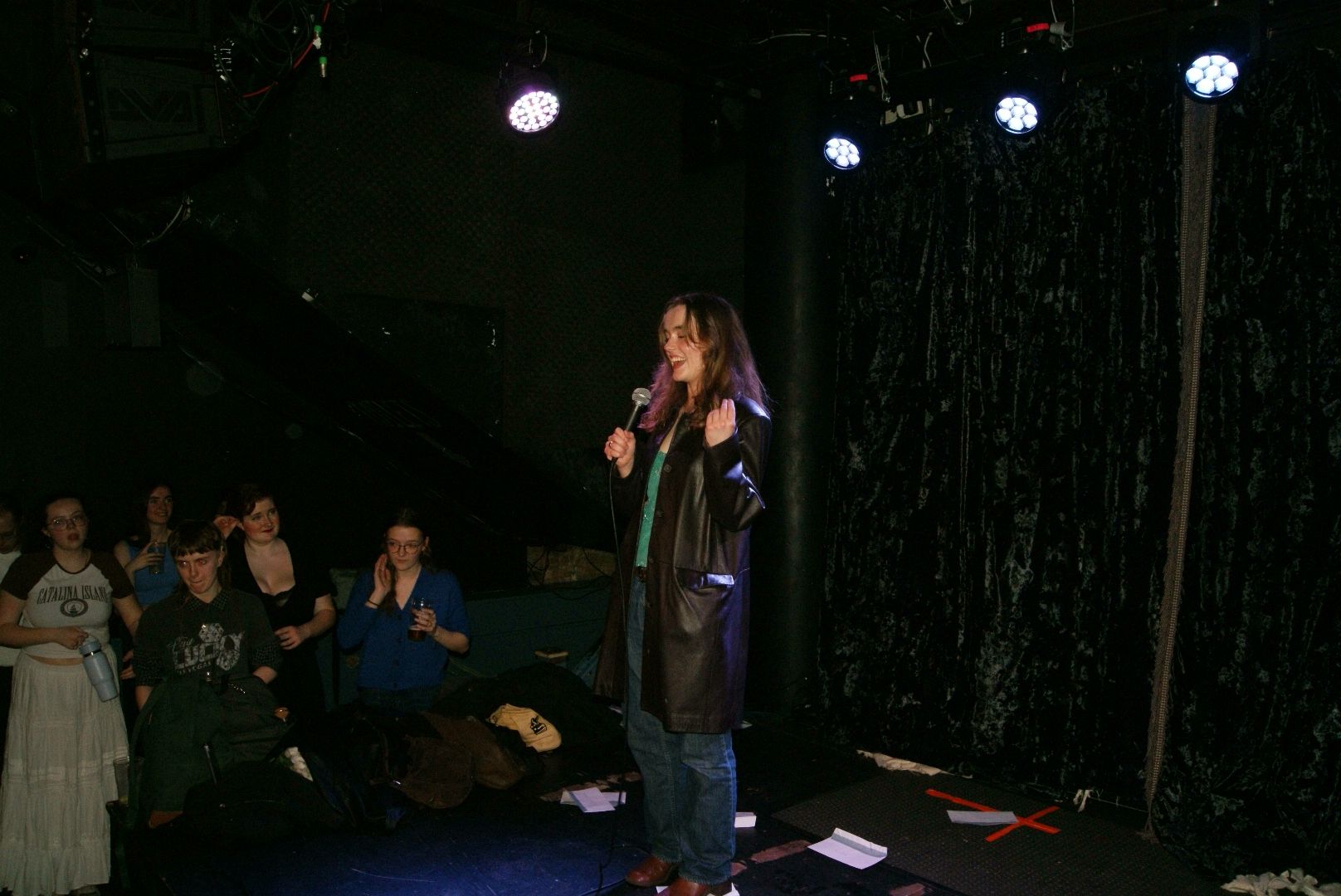
University Times attended the second week of the festival, which showed Gustavo Taretto’s 2011 Medianeras ‘Sidewalls’, an Argentine romantic comedy about isolation, separation, and urban life in Buenos Aires. Film (and architecture) buffs filled The Bank on Baggot Street, following Solax Film Club’s strongly encouraged Bring Your Own Beverage (BYOB) rule, with bottles of wine and snacks to share. Nicole Hegedus, a design student in attendance, noted that Taretto’s use of Buenos Aires’ architecture was different from that of any other romantic comedy she had seen before. His film explored loneliness in the urban setting, and offered a realistic window into romance and love in the post-modern landscape. The evening evolved into a discussion, reinforcing the intentionality of the festival, that architecture is meant to be experienced, not just observed. As the credits rolled, we were all abuzz with anticipation and excitement for the collective conversation. Thoughts and opinions were openly shared in what turned out to be an earnest and intelligent confession about the film’s technical and sentimental aspects.

The last, but by no means least, thing that the day had to offer was a collage workshop by Silvina Sisterna, encouraging us to express feelings artistically. We sat around a table with glue sticks and magazine clippings creating scrapbooked, paper-based versions of our personal experiences.
It is easy to reduce architecture to infrastructure but Solax Film Club and the Architectural Association of Ireland reminded us that each space has its own story. (SOME)WHERE challenged notions of belonging, home, and space, and motivating festival-goers to actively (re)think about the spaces they occupy and move through each day. When asked about the impact the festival could have on the city’s cultural scene, Machado said that she hoped the films inspired Dubliners to “look at their surroundings with fresh eyes, and perhaps imagine new ways of reclaiming unused spaces for film, dialogue, and community”.