
A new addition to The University Times this year, Four Films and a TV, is a very special column giving out very special recommendations. Every month, the editor will be making a list of underappreciated but unparalleled films (four) and (TV) series (one) united by a topical theme, plot device or personality. The intentions of this no-nonsense column range from the dissemination of lesser known films and the promotion of non-Anglophone media to the betterment of film and TV-related choices. With East Asia Film Festival Ireland (EAFFI) only a few days away, here are four East Asian films that you must catch this festival season.
Four Films
Shanghai Daughter (2026)

EAFFI’s opening film comes fresh from the screens of Berlinale. Agnis Shen Zhongmin’s debut marries fiction and ethnography to explore a family’s microcosmic history in the contexts of China’s Cultural Revolution and disappearing traditions. The film is about Ming, who travels to a rubber plantation in southwestern China where old structures face the threat of demolition so as to be replaced by modern mining and agricultural projects. It will be shown on Thursday, March 19th at 6.15pm in the IFI. The screening will be followed by a Q&A with the director.
A new addition to The University Times this year, Four Films and a TV, is a very special column giving out very special recommendations. Every month, the editor will be making a list of underappreciated but unparalleled films (four) and (TV) series (one) united by a topical theme, plot device or personality. The intentions of this no-nonsense column range from the dissemination of lesser known films and the promotion of non-Anglophone media to the betterment of film and TV-related choices. With East Asia Film Festival Ireland (EAFFI) only a few days away, here are four East Asian films that you must catch this festival season.
Lucky Lu (2025)
In his Cannes competition directorial debut, Korean-Canadian filmmaker Lloyd Lee Choi focuses on Lu, a food-delivery driver in New York, whose bike is stolen hours before his family arrive from Taipei. This modern neorealist film offers a sharp and throbbing commentary on the immigrant gig-worker community in the West. It will be shown on Friday, March 20th at 6.15pm in the IFI.
The Wild, Wild Rose (1960)
With Hong Kong as this year’s country-in-focus, this will be a terrific opportunity to watch one of the finest films from the region on the big screen: Wong Tin-lam’s The Wild, Wild Rose. A musical noir from 1960, it stars Grace Chang as a nightclub singer who falls fatally in love with a pianist. Jazz, blues and opera classics along with stunning chiaroscuro make this film an absolute masterpiece. It will be shown on Saturday, March 21th at 1pm in the IFI.
Ky Nam Inn (2025)
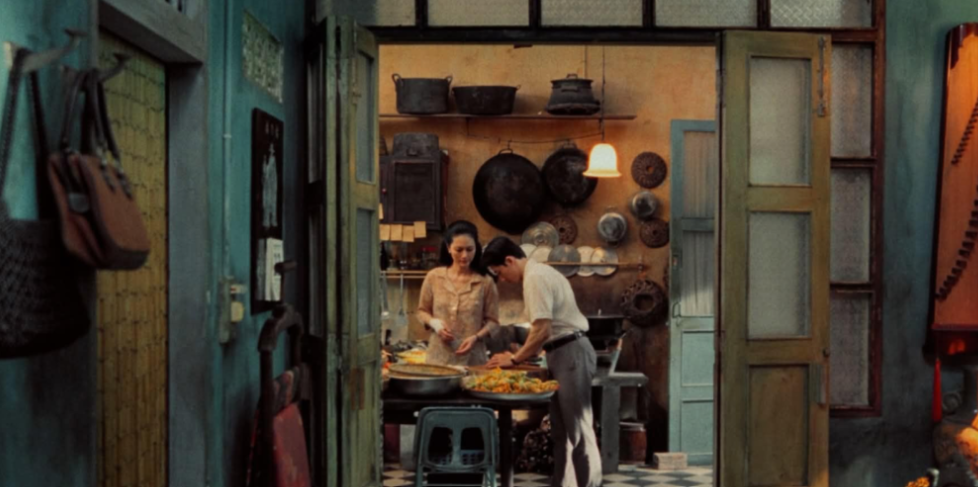
Leon Le’s beautiful romance is an ode to post-war Saigon. Shot in 35mm and set entirely in one apartment complex, it is the story of Kỳ Nam, a reserved woman who cooks for a living and her new neighbour, Khang, who is working on a translation of Antoine de Saint-Exupéry’s The Little Prince. Vietnam was EAFFI’s country-in-focus last year and it is wonderful to see it return with this poetic drama. The film will be shown on Sunday, March 22nd at 3pm in the IFI.
And a TV
Replacing Chef Chico (2023)
When European film festivals claim to be East-Asian, they are selectively so, generally limiting themselves to China, Hong Kong, South Korea and Japan. So for this edition of the column, I want to recommend something from the Philippines. Replacing Chef Chico is a Netflix original that follows sous-chef Ella (Alessandra di Rossi) as she becomes responsible for running a fine dining restaurant after the head chef falls into a coma. The miniseries includes a cluster of stories of chefs and guests, while celebrating authentic Filipino cuisine. It is commendable for representing a culture and gastronomic experience that is rarely given an international platform.