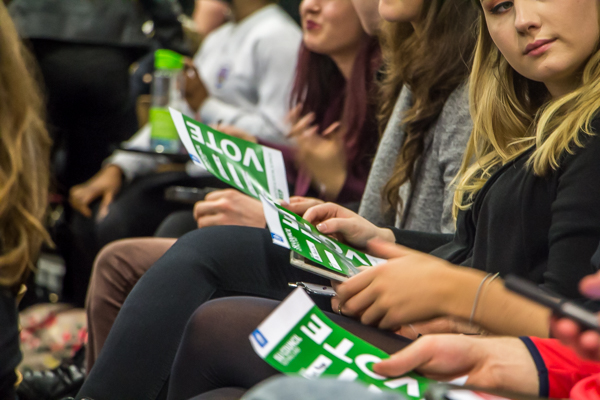

Ireland is a democratic country in which voting is one of the core principles of democracy. Many Irish citizens live abroad for work, study or travel and other goals which align with their personal lives, but this creates a dilemma in the voting system. Ireland does not allow these people to vote unless they’re either diplomats or in the defence forces, and like any other country, is quite strict about the rules and regulations concerning this matter. But how does this pose a difficulty in the system of justice? Thousands of ordinary students and workers are currently losing their right to vote while they are away working and studying. While it is not practical to book expensive flights home, they still care about what happens in their homeland.
As students are the young minds who will be the driving force of any nation, they have the feeling of wanting to vote, but being physically so far away makes it impossible. Speaking with Stephen Hyaden, a fourth-year student at Trinity College Dublin who went for his study abroad in Tokyo, Japan, he shared a similar feeling when responding to the questions. He clearly shared his disappointment in missing the election as it is an important decision to be taken by the people of the land. Even though students are studying abroad, they still care about what is going on in their country, as they always want to stay connected to their home. He also shared that it would be great if governments could cooperate and find a mutually beneficial way of voting for citizens, in a way that does not harm anybody and ensures fair voting. The feeling of being “left out” might be common, but it also reflects the deep sense of commitment and responsibility citizens have towards the nation, which is a great reflection of the values instilled by history.
There can be some relief for people who are temporarily abroad and would still like to contribute to the Irish political system. As they might return to Ireland, they are affected by the decisions that are made today by policymakers. Even though they might be temporarily settled abroad, they may still have family living back home in Ireland or be paying rent or have some financial assets that affect their lives. So the policies drafted and the changes in the economy or politics are important factors that can affect them directly or indirectly.
But what solutions can be provided in this important discussion? Can postal voting be the answer? Postal voting can encourage young people to vote while living on foreign soil. It will make elections more fair as many individuals cannot afford a flight back home. This system will not only encourage a new generation of aware citizens but also uplift political engagement instead of discouraging it. Although it seems like a perfect answer to the problem, it can still pose challenges. Local issues such as housing, public transportation and healthcare affect people living at home more than people abroad, so they might not be in the best position to choose the policymakers. As the voting pool becomes broader, there is also the fear that the large Irish diaspora might influence elections too much. Some people worry about the security or fairness of postal voting, and some believe the system would lose its power in staying accountable to its people. People living permanently in other countries might not be in touch with current issues compared to people living in the homeland.

To have fairness in the voting system there should be a solution that protects the principles of fairness and justice in a democratic society. People should be allowed to vote if they are away only temporarily, allowing them to choose the policymakers who might affect them in the near future. Allowing them to vote from abroad in important elections, such as presidential elections, will give them a sense of commitment while ensuring a proper system of voting.
Every democratic government works best when everyone has a voice. Young individuals should be able to voice their opinions on important issues such as sustainable development, education, climate change or the job market, which will affect them directly when they return. To make politics more modern and inclusive, the system should work to increase youth participation and turnout as well. There can be simple ways to vote such as voting in embassies, online voting or the postal voting mentioned earlier.
As important as this is, a democratic country should consider how young people might shape the future when they return from their journeys. So the real question is, should a semester abroad really take away your democratic voice?