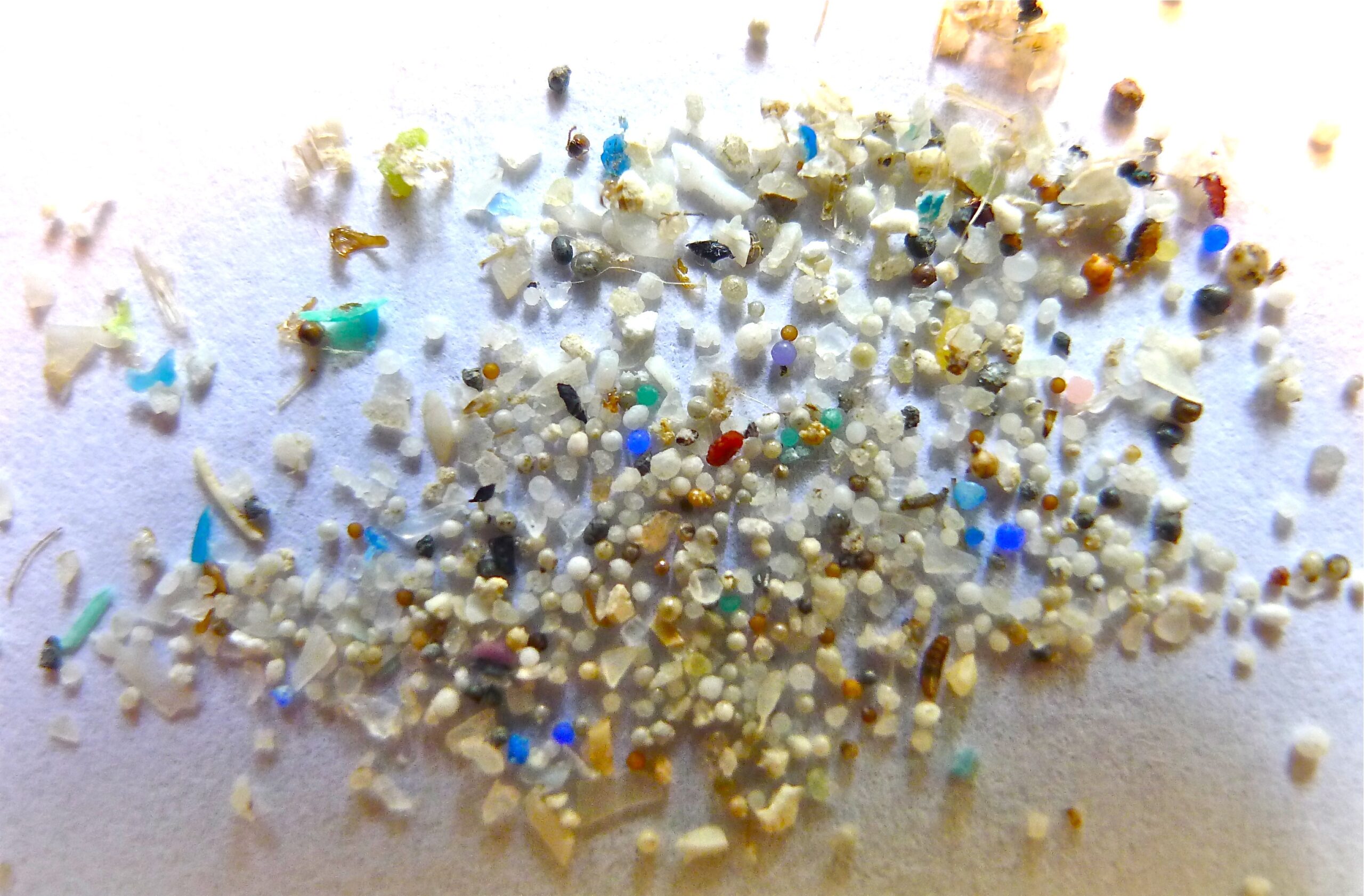

Modern sportswear, gym equipment and training grounds are designed for comfort and durability. Yoga mats are loved for being non-absorbent, artificial pitches are praised for their cost-efficiency and ability to withstand heavy use and leggings are adored for their moisture-wicking properties. In this context, plastic emerges as a miracle ingredient that provides elegant engineering solutions, endowing gear with characteristics athletes have come to expect. However, what if this novel material catalyzes a whole set of hormonal disruptions, undermining the efficiency of the workout as a whole?
Drawing on a review of existing findings, Jiao and colleagues suggested that exposure to microplastics may “reduce the efficiency of oxygen uptake and application, affecting exercise endurance”. Experimental evidence supports this idea: Yadav and Paul found that two weeks of microplastic exposure reduced the critical swimming speed of fish by up to twenty percent. They also documented changes in oxygen consumption, which could be linked to respiratory distress and impaired oxidative metabolism.
These performance losses do not occur in isolation, as they appear to be a symptom of deeper physiological disruptions. A 2025 study revealed that microplastic exposure can interfere with energy and lipid metabolism, impairing the efficiency of fat breakdown for energy and potentially causing weight gain. Other studies linked microplastics exposure to oxidative stress, which is associated with insulin resistance – a condition that directly influences performance, muscle growth and recovery by hindering muscles’ ability to take up amino acids and glucose. Some studies also showed that microplastics may interfere with mitochondrial function in muscle cells, exacerbating fatigue during exercise and hindering the supply of adenosine triphosphate (ATP) – a molecule vital for muscle repair.

Much of this evidence comes from animal models, so the adverse consequences for human health are yet to be fully established. Nevertheless, the risks associated with microplastics extend beyond the particles themselves. Plastic debris have a large, water-repellent surface area, so toxic substances such as heavy metals and endocrine-disrupting chemicals (EDCs) readily stick to them. This so-called “Trojan horse” effect amplifies biological harm, as attached toxins can disrupt the secretion of hormones and negatively affect metabolic, reproductive and development processes.
This risk is particularly relevant to exercise because sweat allows toxic substances to slip into the bloodstream. Researchers from the University of Birmingham discovered that oily compounds in sweat can leach toxic chemicals out from microplastics, making them available for absorption through the skin. The group examined polybrominated diphenyl ethers (PBDEs) – flame retardants now banned in Europe but still present in older textiles, electronics and furniture. Although PBDEs are not commonly used in modern sportswear, the project’s principal investigator Dr Mohamed Abdallah said that the findings could be extrapolated to other toxic chemicals.
This evidence escalates the importance of minimising microplastic exposure during training, and shows that clothes deserve particular scrutiny due to their constant contact with the skin. This brings attention to the chemical additives embedded in sportswear, such as bisphenol A (BPA). This hormone disruptor is widely used in synthetic textiles, mostly to improve water-repellent and moisture-wicking properties, elasticity and colour retention. BPA can mimic estrogen and block other hormone receptors, leading to reduced testosterone levels in men, disrupted ovarian cycles in women, lower fertility in both sexes and metabolic conditions such as diabetes and insulin resistance.
The problem is that BPA concentration in activewear can far exceed safe norms. In 2022, the Center for Environmental Health (CEH) discovered that sports clothing from 19 popular brands such as Nike, Adidas, The North Face and FILA contained BPA concentrations up to forty times higher than California’s established safe limit. This means that garments designed for activities that support health were poisoning athletes with every touch – quite ironic, isn’t it?
Preventing harm: what can be done?
The most intuitive strategy is to minimise contact with plastics wherever possible. Measures like replacing liquid shower gel with bar soap, avoiding single-use plastic bags and straws and prioritising stainless steel and glass in the choice of water bottles, food containers and cutlery will help reduce cumulative exposure.
In sportswear, some artificial components are often difficult to avoid entirely, but potential harms can still be reduced by opting for garments made predominantly from natural fibers such as organic cotton, hemp or merino wool. Also, choosing brands with third-party certifications of limited chemical use (such as OEKO-TEX Standard 100, GOTS and Bluesign) will help avoid substances like BPA, decreasing the risks of intoxication.
Are microplastics stuck forever in our bodies?
After ingestion, some of the microplastics do not stay long inside and are naturally excreted, but some particles (usually smaller ones) are absorbed and transported to the lysosome, the cell’s recycling centre. Our body has not evolved to digest microplastics, so the particles become trapped there, disrupting biological processes with their presence. Until recently, there seemed to be no way to get microplastics out of cells, but novel discoveries offer a promising glimpse of hope. A study published in 2025 showed that a broccoli-derived compound sulforaphane activates cellular cell response, catalyzing exocytosis – the process through which lysosomes clear their contents, meaning they can potentially bump microplastics out of cells. While this finding gives reasons for optimism, it is unclear whether all particles could be cleared away after being released back in the bloodstream. Medical affairs leader Jon Brudvig suggested that some of them could be eliminated through urine or bile, but there are chances that particles will be deposited again instead of being excreted.
Interestingly enough, sulforaphane was also found to catalyze the NRF2 pathway, activating phase II detoxification enzymes that make harmful chemicals like BPA more water-soluble and easier to excrete. This chemical is especially abundant in broccoli sprouts, which contain up to 100 times more sulforaphane than mature broccoli. Although this concentration might still not be enough to drive a pronounced effect, consuming fibre-rich coniferous vegetables would definitely support detoxification, as dietary fiber can bind to heavy metals, preventing their reabsorption into the bloodstream. It remains unclear whether fiber could do the same with microplastics, but early evidence is promising: a 2025 Japanese study found that consuming fiber helped rats excrete more microplastics. However, this effect was observed only with chitosan, an indigestible fiber derived from crustacean shells, so not all fibers might be equally effective.
Can saunas help eliminate microplastics?
In general, saunas are a valuable detoxification tool, as microplastic-adsorbed substances like BPA and heavy metals are preferably flushed out through sweat. This benefit of saunas is also supported by experimental self-testing: in 2025, longevity enthusiast Bryan Johnson observed a significant drop in the concentration of harmful chemicals in his body after two weeks of following a protocol that involved daily 20-minute dry sauna sessions. More intriguingly, after forty-eight days, the amount of microplastic particles in his blood sample decreased by 85 percent. While Johnson attributed this change to regular sauna sessions, more research is needed to prove this link. His improvement might have stemmed from other measures included in his protocol, such as avoiding plastic containers, plastic cutting boards, non-stick pans and installing a reverse osmosis water system, so this case does not necessarily prove the relationship between regular sauna use and decreased concentration of microplastics in the body.
So, what’s the main takeaway? While adverse consequences of microplastics and associated substances can feel daunting, it is important not to fall into a panic and to focus on risk mitigation steps instead. In a modern world saturated with microplastics, complete avoidance is hardly feasible – however, adopting a “low-plastics” lifestyle combined with detoxification measures is more than achievable.