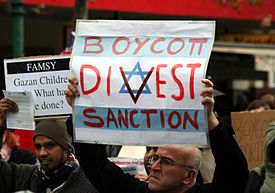

Since Israel invaded Palestine in October 2023, students and staff at Trinity College Dublin have vehemently objected to the ongoing violence and have urged the College to sever all ties with Israeli institutions, organisations and investments. Since their successful peaceful encampment in May 2024, Trinity’s Boycott Divestment and Sanctions (BDS) movement triumphed in their endeavour to pressure the College into meeting their demands. The encampment resulted in Trinity’s agreement to divest from Israeli companies, no longer use Israeli suppliers, and avoid entering research or exchange agreements with Israeli academic institutions. While this was a historic achievement, Trinity BDS remain vocal about the fact that their work is not done. For the true severing of Trinity-Israeli ties, a consistent and monitored effort from both the College and the student body must be maintained.
A collective shift powered by concerted efforts — big and small — has morphed the campus into an environment where solidarity with Palestine is remembered and highlighted in numerous spaces. Flags hanging from windows, posters hung in unsuspecting corners, and graffiti advocating for peace; all of these serve as powerful visual reminders of the devastation in Palestine.
These expressions of solidarity have not gone unnoticed on the national and international stage. The College has faced criticism from public figures, including former Minister for Justice, Alan Shatter, and Chair of the Jewish Representative Council of Ireland, Maurice Cohen. In their co-authored letter to the Chair of Trinity’s Board, Paul Farrell, they accused Trinity of blatantly violating the Equal Status Act. Despite criticism like this, Trinity BDS and the College remain staunch in their decision.

Furthermore, events aiming to bolster solidarity for Palestine have been hosted by various societies across campus. On January 20th, Trinity BDS collaborated with TradSoc to host a “Performances for Palestine” evening in the Buttery. The Trad Band opened the evening with an hour of tunes, followed by a number of open mic performances. All funds raised were donated to the Nour Foundation and the Red Crescent.
Trinity’s Society for International Affairs (SOFIA) hosted the ambassador of the State of Palestine in Ireland, Dr Jilan Wahba Abdalmajid, for a discussion on the role of diplomacy in the Palestinian context. In her generous address, Dr Abdalmajid stated that Israel continues with a “deliberate political structure aimed not only at the ethnic cleansing of Palestinians, but the forcible displacement of all those who survived this genocidal war”. The floor was opened for questions, and members of SOFIA began voicing their queries. This open space for dialogue facilitated an environment for members to shape informed opinions through authentic discourse.
On February 5th, DU Law Society and Trinity BDS welcomed Palestinian photojournalist Motaz Azaiza and presented him with the Praeses Elit award. Azaiza has diligently documented the reality in Gaza through his impactful photography, amassing 15.3 million Instagram followers. Students gathered in the GMB Chamber to hear Azaiza’s acceptance of the award, and to honour his courageous work in documenting the truth of life — and death — in Palestine.
All of the above actions, and more, have cultivated an environment where students have space to express concerns regarding the College’s measures to sever ties with Israel. Since 2003, students have campaigned against Coca-Cola’s exclusive pouring rights in College dining outlets. This deal means campus-based outlets are generally only permitted to serve bottled drinks made by Coca-Cola. In 2004, students voted in favour of banning Coca-Cola products from Student Union shops. Despite this, the College has maintained the exclusive contract. The pressure the deal placed on dining outlets to exclusively stock Coca-Cola products caused the company behind the Science Gallery Cafe, Cloud Picker, to move locations.
Initially, the objections to the contract were due to ethical concerns surrounding workers’ rights in Colombia. Now, concerns have grown surrounding Coca-Cola’s ties to Israel. For example, their franchisee, the Central Bottle Company (CBC), operates a plant located in East Jerusalem in the occupied West Bank. Activists across the world have called for boycotts on Coca-Cola’s products, yet Trinity’s Commercial Revenue Unit remains involved in the deal.
The Dual BA programme that Trinity has with Columbia remains an elephant in the room when discussing Trinity’s ties to Israel. Students at Columbia University currently face potential censorship and safety threats for Palestine solidarity. Dual BA students who have participated in protesting against Columbia’s ties to Israel have faced harsh repercussions, including multi-year suspensions, temporary degree revocations and expulsions. Trinity BDS continues to campaign for the termination of the Dual BA programme, as it was recently condemned by the Trinity College Dublin Students’ Union at Comhairle.
It is evident that efforts have been made across campus by students, societies, and the College itself in eliminating complicity and severing ties with Israel. However, there is more to be done before we can confidently say that all Trinity-Israeli ties have been severed.