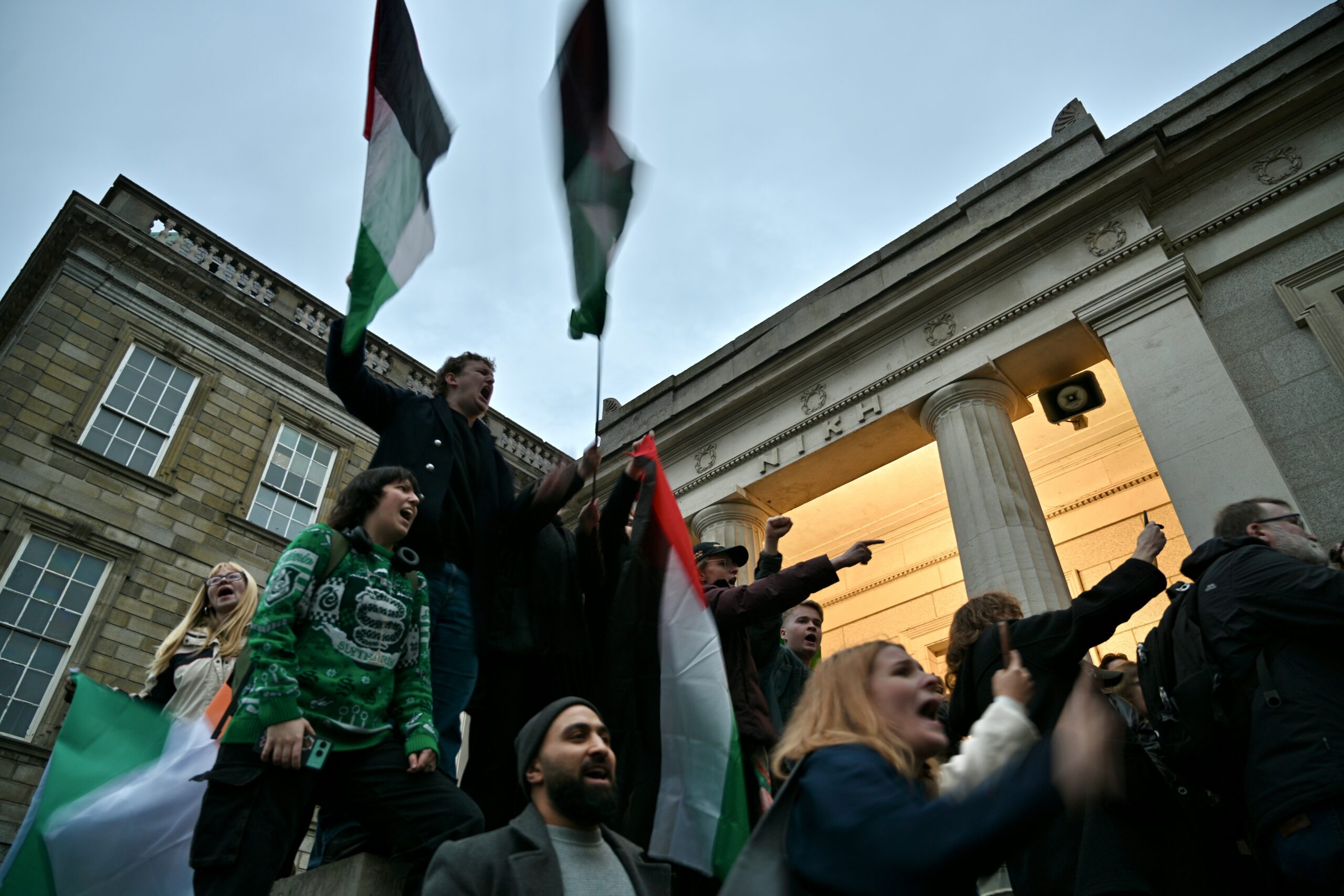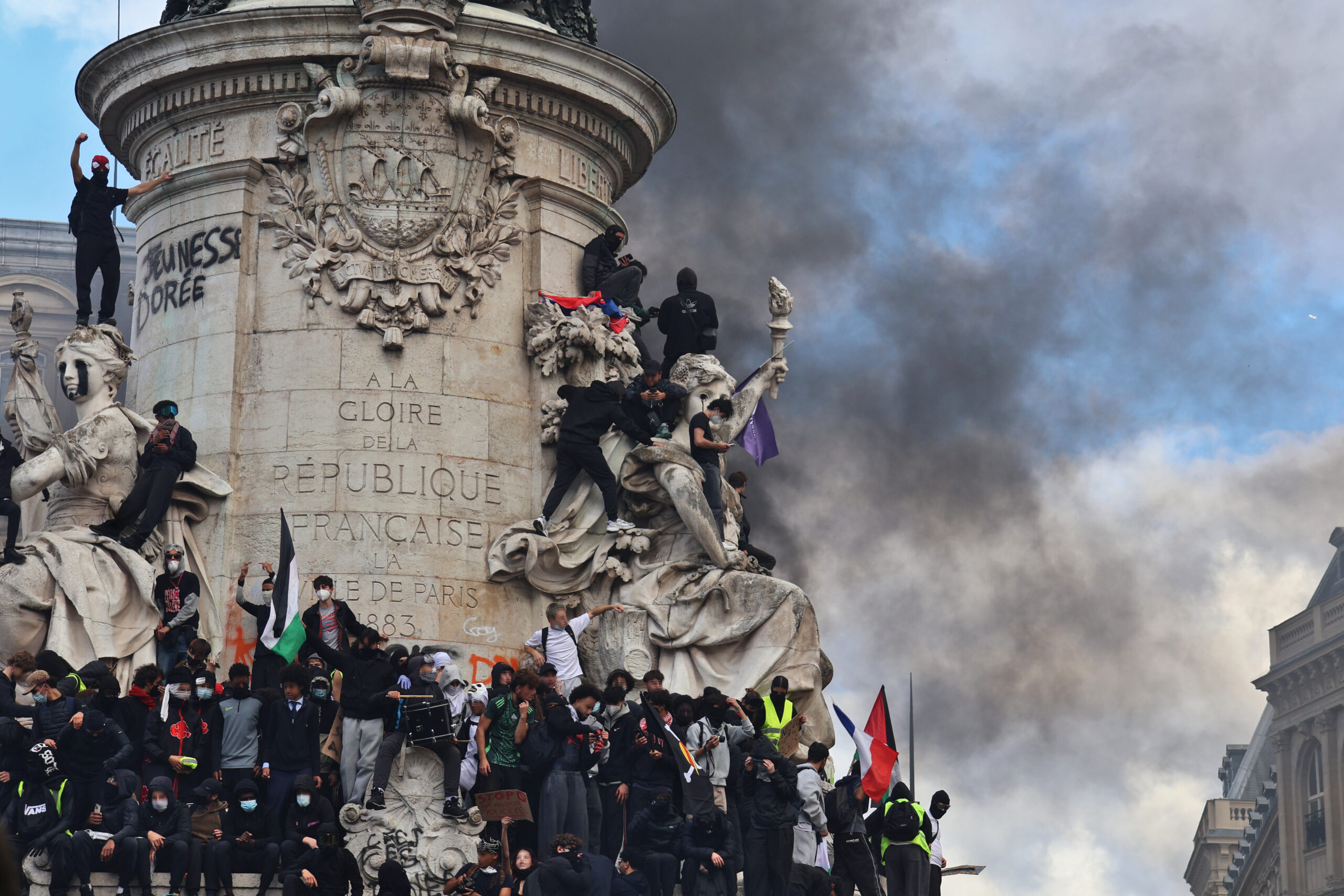

Since the beginning of the school year, France seems to be on fire — figuratively and literally. The news reports of students setting fire to garbage cans, and videos online are circulating of police officers using excessive force, such as spraying tear gas at women with strollers.
Frequently, protestors have compared the French protests to a new French Revolution, and some journals have compared its violence to the Terror of 1793; but almost 240 years have passed since the French Revolution, and national identity may have changed France’s perception of it. Was it a violent, brutal massacre? The birth of modern democracy? Or a “bourgeois revolution”, as Marxist historians have called it?
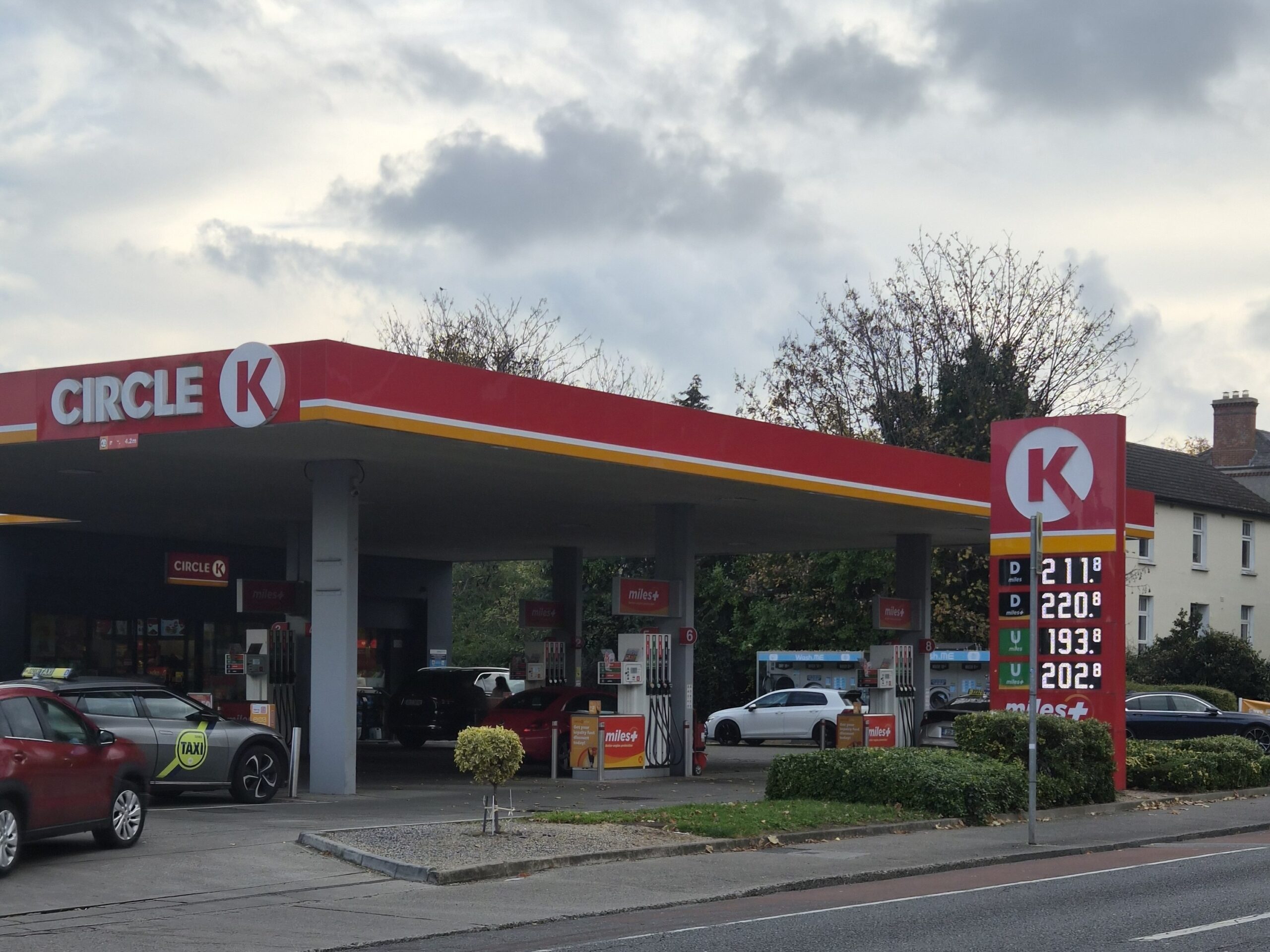
France in 1789 and France in 2026 are so vastly different; can we compare today’s French protests to the 1789 French Revolution? The French began protesting and blocking high schools and universities in mid-September of this year, with the collaboration of two separate groups of protesters with different demands. On one side, we find French high school and university students. They are demanding that the government contribute more to the budget for secondary schools, university buildings, and student accommodation, as well as a reduction in the number of hours in a school day, and the provision of more teachers and professors in schools and universities. Secondly, we find the “gilets jaunes” or “yellow vests”. They demand a lowering of fuel, food, and living costs, as well as the resignation of the French president, Emmanuel Macron, and the prohibition of certain chemicals in police weapons used on protesters, particularly minors. Some also demand that France leave the European Union. Facing these protests, there are many testimonies, especially shown in videos online, of the national police using extreme force against protesters. Macron has announced that he would invite unions to the Elysée to discuss their issues, but as of late, no action has been taken by the government.

The vague responses from the government, police brutality, and the desire for change in government from the protesters have recalled to many the French Revolution, whether it be for its violence or for the defeat of an absolutist regime. To compare the French Revolution to the French protests today, we will analyse the French Revolution from 1789 to 1795, as today’s protests have been compared to events that took place between these dates. In the summer of 1789, the French kingdom was overcome with the Grande Peur (“Great Fear”), which was a general feeling of mistrust among the peasantry following rumours that the Nobility were stealing their grain during a period of low harvests, and resulted in riots across the country. In 1789, 60,000 “books of grievances” were written by the French people to the King; most objected to the increase in bread and grain prices. Today, similar demands are being made by the people who ask for a lower cost of living.
In 1789, Louis XVI lived in Versailles and was quite detached from the French people. During the Estates-General on May 5th, 1789, he was very uncomfortable, as he already wasn’t a good public speaker, but he also couldn’t grasp why the French people would want to reform the regime. On October 5th and 6th, 1789, women marched to Versailles to protest against the price of bread. When men arrived to protest later, they entered the palace to try to force the King to sign the Constitution and put a Constitutional Monarchy in place. The king later becomes increasingly afraid of the Revolution, and on June 21st 1791, he attempts to flee to Varennes to escape the country, but he is quickly found and taken back to Paris by the National Guard. Macron, like Louis XVI, seems very hesitant to make any decisions, but events like October 5th and 6th, or the Varennes escape have not occurred, and it is unlikely that he will try to escape the Elysée on a carriage.
On October 17th this year, during the nationwide protests, “hooded individuals” forced their entry to the town hall of Limoges, a historical monument built in 1833, and burnt it to the ground. This act of extreme violence has been compared to the Storming of the Bastille on July 14th 1789, because the Bastille was also dismantled brick by brick. But the Bastille held people imprisoned without trial and represented the injustice of the Ancien Régime; the Limoges town hall was simply a town hall. One journalist went as far as to compare violence in the protests to the Great Terror, which was a manhunt put into place by the Convention, created after Louis XVI was guillotined in 1793. During the Terror from 1793 to 1794, 40,000 people were hunted and killed. In the 2026 French protests, there have been no reported deaths thus far. Comparing the violence of these protests to the Terror is deliberately arousing fear in the French public, and declaring that the French protests are a rebirth of the French Revolution is comparing it to a violent regime that, in the end, simply replaced one authoritarian regime with another. With this, recent findings suggest that the individuals who set fire to the Limoges town hall weren’t vicious protestors, but one was a 66 year old retired man.
There was no police department as such during the French Revolution, but there was the National Guard. The National Guard was a bourgeois militia of French citizens created to repress peasant revolts during the Grande Peur. The essential role of the National Guard was to protect the power in place, which is difficult to do when the power in place tries to flee the country. After Louis XVI attempted his escape, public opinion of him had soured, and some even thought of impeaching him. Two clubs, the Jacobins and the Cordeliers, handed out petitions against the restoration of Louis XVI as king, and planned a peaceful protest on the ruins of the Bastille, which would happen on July 17th 1791. On the 16, the Assembly restored Louis XVI as king, as if his escape never happened, and sent La Fayette, an officer in the Guard, to close the Bastille to protesters and declare martial law, which would legalize police brutality. Tensions rose the day of the protest, and without order, an officer started firing at the protesters, which caused panic in the crowd and in the Guard. The total number of deaths is not officially known, but almost 50 people probably died. This event is remembered as the Fusillade du Champ-de-Mars (“Champ-de-Mars massacre”), and its abrupt violence from the National Guard can remind us of how some police officers act today.
It would be unwise to compare the French protests to the French Revolution. The French Revolution may have certainly been a time of change, but the French Revolution was, overall, bourgeois. Instead of comparing themselves to the Revolution, French protesters should see themselves as a whole new movement, not just the rebirth of one which, having been done almost 240 years ago, cannot be compared to French society today.