
Institutions and faculties possessing an elevated reputation often embellish the diversity of their community. Academia, known as a relatively exclusive environment, tends to put their diverse members on a pedestal once they accomplish certain types of work. “The First Black Woman to…” or “The First Black Man to…” is often an introductory sentence when presenting a minority’s accomplishments in academia. Although this pedestal can elevate certain individuals above their faculty members, it also puts them under a magnifying glass. Every movement is analysed; their accomplishments get as much recognition as their failures.
Jason Arday earned his professorship at Cambridge University, Thelyson Orélien received his Fnac Novel Prize with pride, and Claudine Gay deserved her presidency at Harvard. And yet, what do these three individuals have in common, are they related by success? Intellect? Or are they related by having committed an innocent error? Overshadowing all achievements, their race is what made them prone to the instantaneous destruction of their careers. As punishment, these three individuals were ejected from the brilliant careers they created for themselves. Professions they spent years building and connections they have crafted. And yet, this success collapsed immediately like a house of cards.
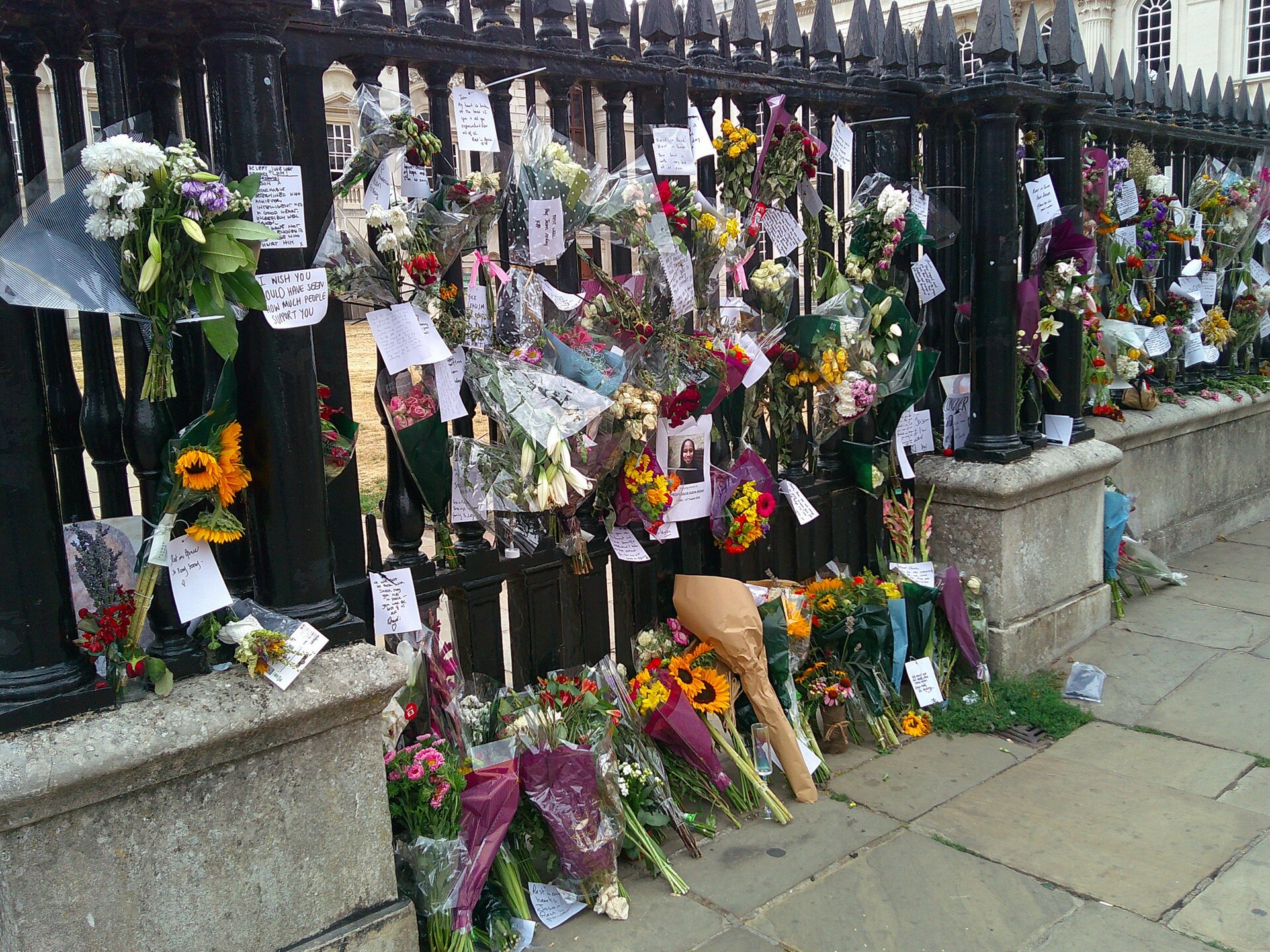
Jason Arday’s strenuous path to success was challenged in July 2026 when he was accused of plagiarism. The ongoing investigations, questioning and harassment — notably from staff and British tabloids — eventually led him to resignation, proceeding to suicide. At the young age of 41, Mr Arday’s career is now a legacy. So many factors could have stopped this. Alleged allegations preceding his hiring could have halted this. And yet, Cambridge’s need to uphold the image of a diverse faculty exceeded an individual’s reputation and life. The effect of plagiarism accusations leading to societal rejection is not new and has not halted since.

Dr. Claudine Gay is known for much success; however, her title as Harvard’s 30th president remains pivotal in her career. With an impressive educational background, she uplifted herself by becoming the dean of the Faculty of Arts and Sciences at Harvard, the founding chair of the Inequality in America Initiative, and receiving the Toppan Prize for her political science dissertation. In 2024, overwhelming accusations of plagiarism forced her to resign. Although these claims were misinterpreted or related to incorrect citations, her title as a black woman in such a high and prestigious institution could only result in one consequence.
Thelyson Orélien, a Haitian-Canadian author, has been praised for his recent novel “C’était ça ou mourir”. After its release — that is to say, after months of review by editors and publicists — an unknown source accused him of plagiarising certain pages of his book. After swimming in the novel’s success and receiving a French literature award, le Prix du Roman Fnac, Orélien was expelled from the Académie Goncourt. His headlines were quickly replaced from mentioning his new book to mentioning his faults. This is a humiliation he will have to hold onto forever while he makes the headlines of international newspapers.
As we embark on a new age of technology, the development of artificial intelligence and the concept of citing sources seems to evolve alongside us, making accidental plagiarism even more pervasive. As college students, some professors ask for MLA, Harvard or APA citations in essay bibliographies. When asking Google a simple question, AI immediately delivers the answers we’d like to receive from Britannica or other databases. Careers were torn down from an error that seems easier to commit than to avoid. Stealing credit is not right. We recognise these individuals’ errors. However, how can one develop a proper idea when we’re constantly fed other people’s thoughts? Today, it seems like it’s easier to accidentally plagiarise than intentionally. Incorrect citing, automatic AI answers, and a lack of filters hands us these allegations.
These three brilliant scholars, who are deemed to have bright days ahead and much success, are burdened by rational and impulsive systematic decisions. Unfortunately for Mr. Arday’s career, we can only mourn his achievements and advocate for those that find themselves in similar situations as him. As of recently, Mr. Arday has been cleared of plagiarism. Numerous investigations have concluded that this accusation was an “honest and reasonable error” (The LJMU Panel), however still an error that cost a life. He in fact did not commit intentional plagiarism; it was simply due to a lack of proofreading, certain missing citations and standard quotation marks.
A scholars’ race undeniably influences institutional responses to plagiarism. Accidents can happen. As long as said person is held accountable, banishing them from academia and a lifelong passion is not the moral way to address this issue. In this age of technology, one must recognise that committing these errors has never been easier. Already singled out as a minority in an exclusive environment, lack of support from colleagues can only lead to detrimental outcomes.