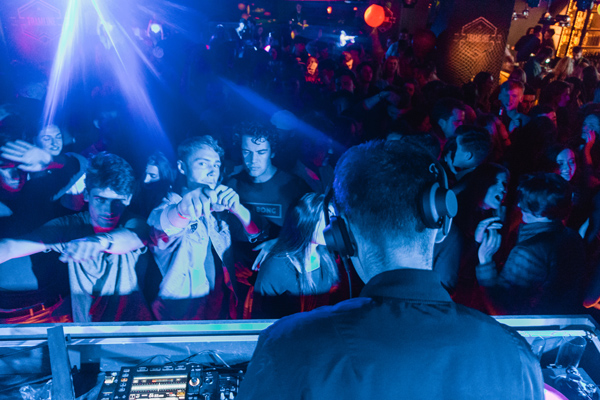

There was once a time where Dublin barely slept. For several years, the city had a zest for the buzz that came from nightlife culture. As far back as the 1970’s, there was an internal dare to walk on the wilder side of life. New dance halls were established, with people craving the euphoria the chaos of nightlife can bring. As this new, emerging scene transitioned into the booming club milieu of the late 1980’s and early 1990’s, Dublin nightlife became its own successful phenomenon for the next several decades. The scene was among the best ones in Europe, competing with the bustling scenes of London, Berlin and Amsterdam. This changed when the 2008 amendment of the Intoxicating Liquor Act 1927 came into place. The new law marked the beginning of the end for Dublin nightlife as it was once known. An end that was, later, finalised by Covid 19. So let’s look at it in detail. What led to Dublin becoming the city where the vibes go to die?
The closing time for all venues in Ireland is 2:30 a.m. – a strong contrast to the rest of Europe where the party can run until 6. The prohibitive measures regarding sale of alcohol in public venues came at the worst time. The 2008 financial crisis already put a lot of pressure on businesses trying to stay open, and the licensing regulation tightening, as well as an increase in fees, were too much for many. This issue was exacerbated even more during the Covid-19 Pandemic when during a partial reopening of venues around Dublin, they had to apply for additional extensions to maximise the amount of time that they stayed open along with balancing the economic losses that occurred during closures.
Faced with public concern, the Government had no choice but to face the music. In 2022, when the then Minister for Justice, Helen McEntee brought forward the Sale of Alcohol Bill, there was an overall support from both factions of Dáil Éireann. Alas, the Bill did not succeed. The Government had further opportunity in the 2024 budget to lower the excise fees that were contributing to the mass closures of clubs and venues across the city. They did not act on it. The problem is clearly on the legislators’ minds, but they are not following through with solutions.
The cost of living crisis that followed the pandemic turned forced many people to seek alternatives to clubbing on a night out. pandemic had another, arguably more positive, effect on nightlife. A ‘Your Dublin Your Voice’ survey conducted by the Dublin City Council showed that 50% of people find funding to be the central issue preventing them from enjoying Dublin nightlife. Young people, mainly college students, make up a significant chunk of the patrons of bars and clubs, but, now, more often than ever, prefer to indulge in house parties or street drinking to save money. Places like Drury Street, where outdoor tables of multiple venues mix with people freely drinking store-bought alcohol, are becoming more and more popular.
Indigo Moore, a 2nd Year NCAD student, pointed out from their own experience that; “If you have a place to go to where you can buy your own drink from the shop, you’re going to take that just to save a bit of money.”
Such sentiments are common. According to the Vinters’ Federation of Ireland, in 2023 the average cost of a pint of Guinness increased by 10% compared to 2022. In many ways, the nightlife economy has fallen victim to the cost of living crisis like all other sectors of the Irish market.
It’s not just the drinking, either. The cost of getting a taxi home can easily be just as high as the amount spent on alcohol and, with Nitelink buses often sparse, many people don’t have other options. As found by the City Council’s Citizens Survey Report, over 55% of people would prefer better night time transport.
Dublin’s nightlife is crucial to the city’s economy and social fabric, but, when faced with economic and social constraints, many people are not able to partake in it fully. Faced with recent crises that the Government failed to respond to properly, the scene is declining. There is a constant cycle where someone acknowledges the problem, lobbies for a solution, and then nothing happens. If there is to be a chance of saving Dublin’s nightlife, more investment in venues and transport will need to be prioritised in the annual budget.