
On March 15th, 2026, the UK Health Security Agency (UKHSA) issued a statement reporting an outbreak of Meningitis; later confirmed to be the MenB strain in the Canterbury region of Kent. Many of those affected are students attending the University of Kent. To date, there have been more than 20 confirmed cases as well as two deaths. The outbreak is believed to have originated at Club Chemistry, a popular nightclub with young adults and teens.
Meningitis is the inflammation of the fluid and membranes surrounding the brain and spinal cord, known as the meninges. Viral infection is the most common cause of meningitis, however infection can also be bacterial, fungal or parasitic. Most common in babies, young adults and teenagers, the dangers of meningitis must not be underestimated. Bacterial meningitis can cause life-threatening sepsis (blood poisoning) and result in permanent damage to the brain or nerves.
University students are 11 times more likely to get meningitis than non-students, so what should we be looking out for? Symptoms can develop suddenly or over a number of days. These include: a high temperature, severe headache, stiff neck, sensitivity to bright lights, drowsiness, seizures and sometimes a rash which does not fade when a glass is rolled over it.

These meningitis-causing viruses and bacteria can exist in the nose or throat without necessarily causing any symptoms. In fact, up to one in four young adults carry meningitis causing bacteria; however, the majority of these will never experience symptoms. Meningitis is spread through close contact with the carrier. For example, sharing drinks, vapes, kissing or being in constant close contact, such as living together; all of which are often components of university life. In the case of the Kent outbreak, many of those affected had been in attendance at the Club Chemistry night club during the first week of March; this is believed to be the origin of the outbreak.
The outbreak has been labelled as unprecedented due to the significant number of people affected in such a short time. Researchers are looking into why this outbreak is much faster spreading than usual and whether or not it indicates a genetic change in the meningitis B strain. Other theories suggest that teenagers and young adults have less acquired immunity to meningococcal bacteria than prior generations. The outbreak is likely to be caused by a combination of factors, but explanations are still shrouded in uncertainty.
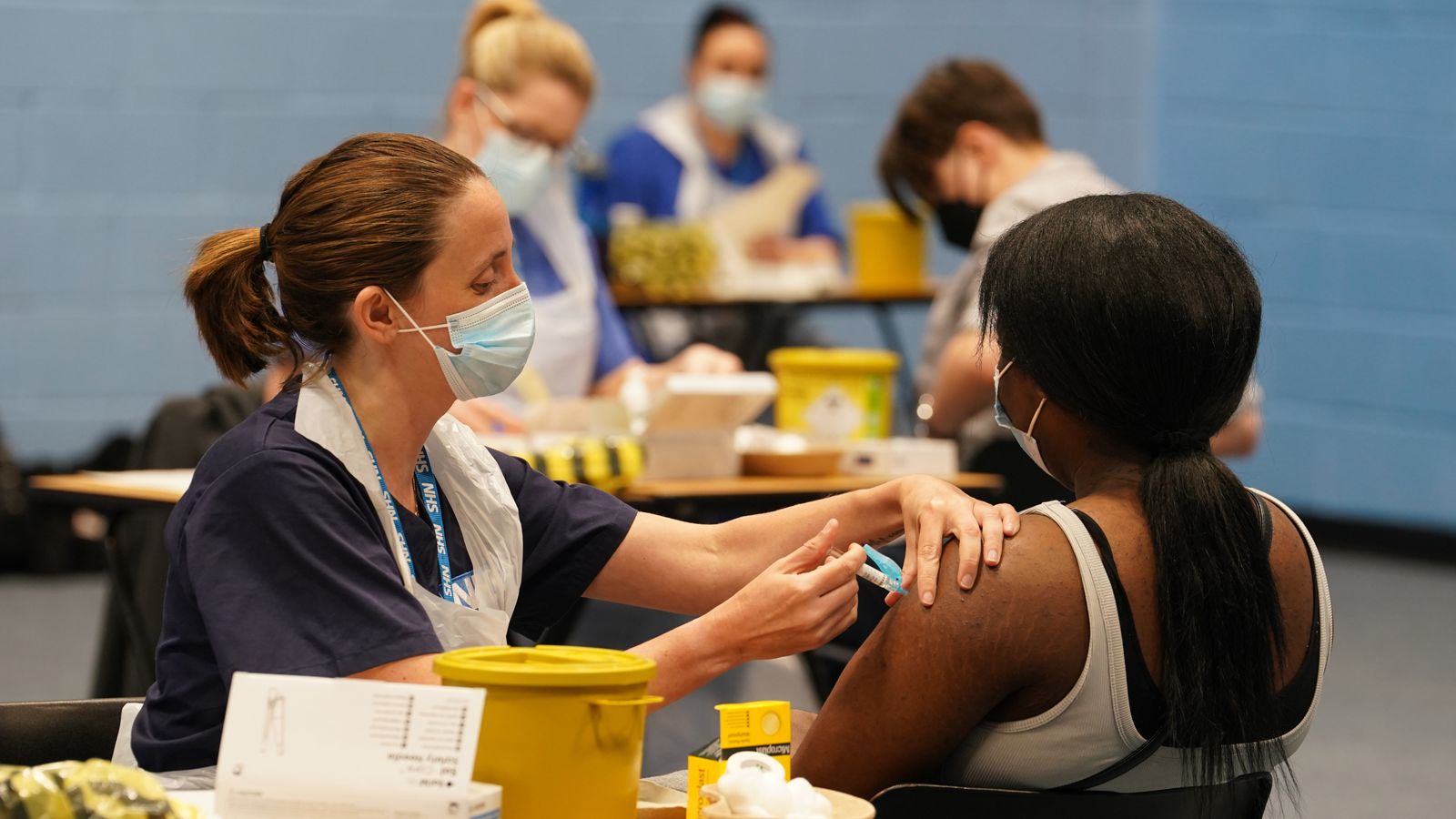
Since 2015, the MenB vaccine has been a part of the routine childhood vaccines in the UK and Ireland. Prior to this, newborns were only offered vaccines for other strains and secondary school students were given the MenACWY vaccine. This protects against numerous strains but not the MenB strain, despite it accounting for 80 per cent of bacterial meningitis cases in the UK and Ireland. With the introduction of the MenB vaccine as part of the routine childhood vaccines, many have called for a catch-up program to vaccinate teens and young adults to mitigate the risk of acquiring meningitis. Initially deemed not to be cost-effective, this outbreak prompts a revision of these guidelines. Those routinely vaccinated against MenB in childhood won’t reach university age until at least 2033, leaving a huge immunity gap. Furthermore, the short-term savings of not rolling out widespread MenB vaccines are being questioned in light of recent events. Thousands of people in the Canterbury area have been treated with antibiotics, and a targeted vaccination campaign has been rolled out to local university students. This has prompted health officials to question whether the risk of further outbreaks is worth the savings made by not introducing routine vaccination.
Many are taking things into their own hands, prompting a significant increase in those acquiring the vaccine privately. A UK pharmacy, Superdrug, reported a 65-fold increase in interest in MenB vaccines. These vaccines are not cheap. A single dose of Bexsero, a common MenB vaccine, can cost up to €110 in Ireland. Although administered free of charge to young children, there is no subsidy for those vaccinated prior to the 2016 national rollout, forcing young adults wishing to receive it to pay out of pocket.
Recent events also point towards a bigger issue of vaccine uptake rates in Ireland. As of 2025, Ireland had the third-lowest childhood immunisation rates amongst high-income countries globally. We also have the second-lowest level of childhood vaccine coverage in Western Europe.
Prior to the Covid-19 pandemic, Ireland’s “zero dose” count, children who have never received a routine childhood vaccination, was 2,460. Post-pandemic rates skyrocketed to nearly 4,942 in 2023. This indicates a worrying shift in public perception of vaccination programs. Vaccination programs are vital for developing herd immunity and eradicating disease threats. Childhood vaccination programs can be credited for preventing four million deaths worldwide annually. Hence, a decline in vaccine uptake is an alarming prospect. Overall childhood vaccination coverage in Ireland is at 91 per cent, which, although seemingly positive, is far from the 2030 target of 95 per cent needed to achieve herd immunity. In a world where one in five children don’t have access to lifesaving vaccines, we must not let vaccine fears impede global healthcare progress.
So, what advice is there for Irish students in relation to meningitis outbreaks?
So far in 2026, the HSE have reported 12 Meningitis cases and no deaths. They advise that this is not above normal levels for this time of the year. There is also currently no link between cases in Ireland and the Kent outbreak. Dr Cuddihy told RTE that “Routine surveillance in Ireland continues to show that meningococcal disease remains a rare but serious infection, with sporadic cases occurring each year”. However, students must remain vigilant and monitor symptoms. The HSE strongly advises not to wait for the identifying rash to appear; if someone is ill and worsening, get medical help immediately.
Being aware of the symptoms and key indicators of meningitis is vital, as well as maintaining personal hygiene to reduce the spread of the disease. In terms of the MenB vaccine rollout in Ireland, there is still a lot of uncertainty as to whether or not this will be implemented. In response to a question posed to the Minister for Health on March 26th, she responded saying that the “National Immunisation Advisory Committee (NIAC) has included a review of MenB vaccination in adolescents and young adults” as part of its 2026 agenda.
For now, advice to students is to be up to date on their other meningitis vaccinations, check their vaccination history and ensure that they are up to date on their vaccinations.
Be aware of the symptoms and red flags for meningitis.
Check in with friends, and act quickly if someone becomes ill.
Meningitis can escalate rapidly; early detection and immediate action can and will save lives.