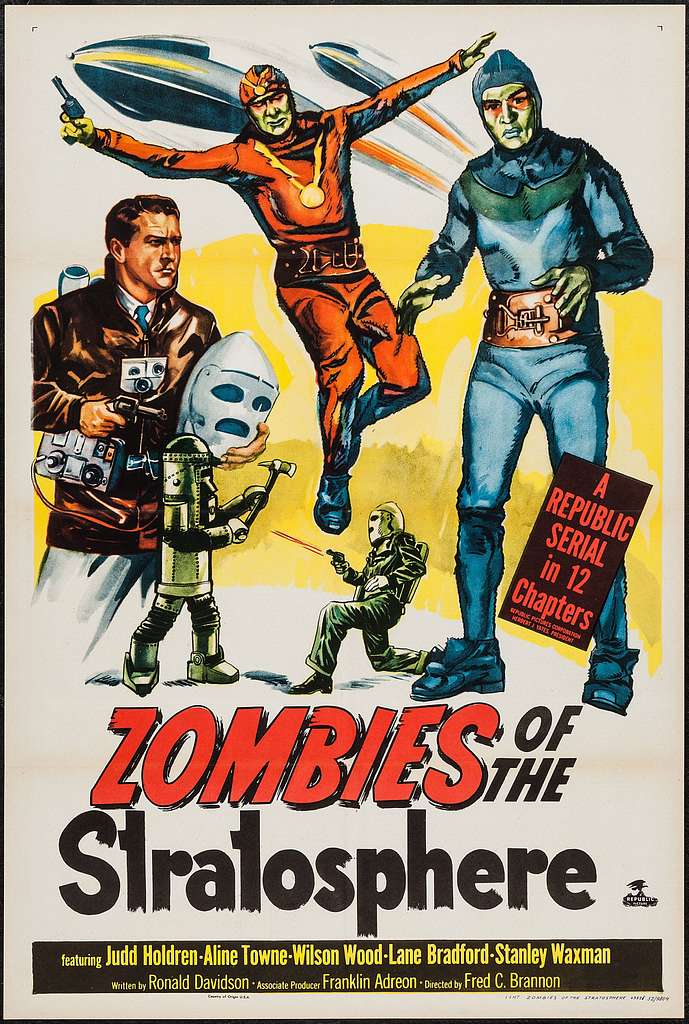

We’ve seen zombies crawl their way out of their graves on our screens, now zombie media itself seems to be the trend that’s returning from the dead. Over the last few years, zombie and zombie-adjacent stories have been practically impossible to avoid across cinemas and streaming platforms. So why have audiences become so fascinated with the undead again?
Nostalgia is an obvious explanation for the current resurgence. “28 Days Later” (Danny Boyle, 2002) played a central role in the previous revival of zombie cinema, inspiring a wave of films and tv shows which gave us everything from “Shaun of the Dead” (Edgar Wright, 2004) to “The Walking Dead” (2010-2022). For audiences who grew up with that wave of cinema, “28 Years Later” (Boyle, 2025) arrives at a perfect time; not too close to the originals that it feels worn out but not too far that it feels like an unnecessary reboot.
Another possibility is how flexible zombies have become in modern media. The traditional, Romero-style, slow-moving zombies are no longer the only option, giving filmmakers more creative freedom to evolve the species within the genre as they see fit. “Colony” (Yeon Sang-Ho, 2026) sees the zombies moving as one hive mind seemingly without much independent thought. “28 Years Later” subverts the typical zombie by featuring creatures who aren’t really undead; giving them the ability to evolve into various sub-categories of species.

Then there is “Resident Evil” (Zach Cregger, 2026) which depicts mutant-style zombies who have the ability to fuse together and roll around like tumbleweeds. Cregger’s adaptation of “Resident Evil” deliberately attempts to recreate the experience of playing a survival-horror game, rather than simply translating its plot onto the screen. The film incorporates game-like progression with camera perspectives akin to what we see when playing a third person game. This approach is significant; today’s zombie audience is not necessarily the same audience that watched “28 Days Later” 24 years ago. The adaptability of the genre is perhaps what makes it so hard to kill.
This revival in zombie media isn’t restricted to adult horror. Platforms such as Disney+ have made their own mark on the genre, putting a more accessible spin on it for younger audiences by moving away from traditional horror and towards action and adventure, with sprinkles of comedy added in. In Disney’s “Zombies” (Paul Hoen) franchise, the zombies have come to live in harmony with humans and other supernatural creatures, an apocalypse is no longer the central concern. In the last year Disney also released “Marvel Zombies” (Bryan Andrews, 2025), a four-episode animated series in which some of the most beloved Marvel superheroes, Captain America, Hawkeye, and more have become zombies.
The craze doesn’t seem to be slowing down either, with “Zombies 5: Secrets of the Sea” (Paul Hoen) set to arrive on Disney+ in 2027. If it is nostalgia that’s bringing zombie movies to the foreground again, then these screenplays are certainly setting the stage for a similar trend to appear 20 years from now.
Something else has changed since the previous zombie revival of the 2000s: we have actually lived through a global pandemic. While COVID-19 did not make our world look like a typical zombie apocalypse, it did make some of the genre’s ideas feel less distant: empty streets, isolation, overrun hospitals and global concern over how quickly a disease can spread stopped being horror film concepts and became our reality.
This does not mean current audiences want zombie movies because they remind them of Covid. In fact, the opposite could be true, but having experienced a real global crisis may have made fictional stories of apocalypses and fast-spreading infections more engaging as audiences can understand their basic fears in a way they couldn’t before.
Streaming has made this revival even more straightforward. Viewers can move through decades of zombie media effortlessly. A new viewer can watch “28 Years Later”, move backwards to “28 Days Later” and go as far back as Romero’s “Night of the Living Dead” (1968), while a gamer can encounter “Resident Evil” through the game series without ever seeing one of the films.
This current resurgence does not necessarily mean another decade of zombie saturation is coming, audiences may (and probably will) move on again. But for now, the undead have found their way back into popular culture — their adaptability proving to be the reason why they refuse to just stay dead.