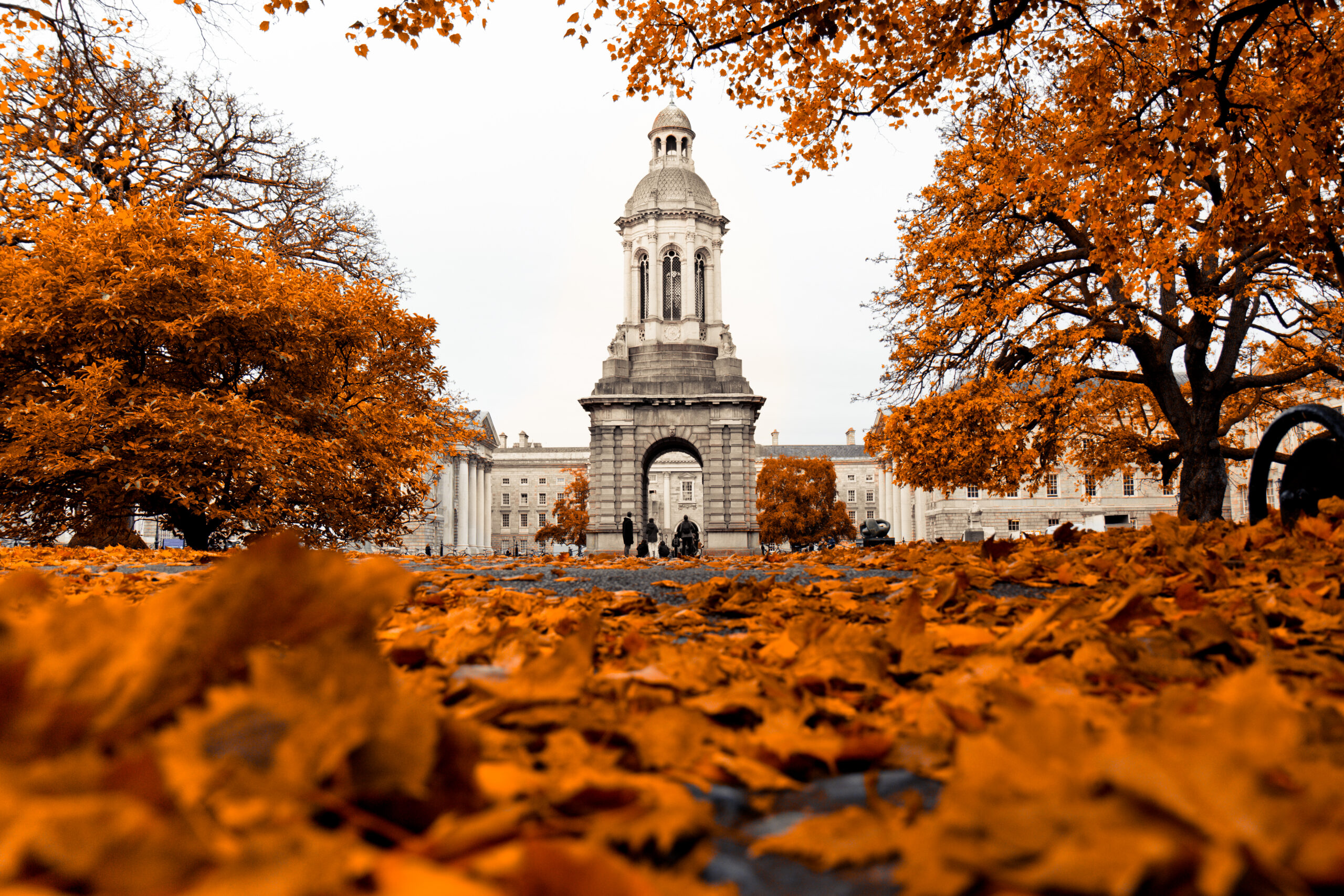

Autumn changes the whole landscape of Dublin: shoes start turning into brown knee-high boots, the smell of pumpkin spice lattes floats through Grafton Street, and the Gilmore Girls theme starts dominating everyone’s Instagram feed. When the leaves change colour, so do store windows with their pumpkin-themed décor and snuggly scarves. Each company sells autumn in the marketable form of a product, whether it be an €8 drink or a chunky blanket.
As the seasonal products appear, you might notice the money in your bank account disappearing. Autumn has become increasingly commodified, and every year there are more cosy trends popping up just on time for sweater weather. The romanticisation of the season is particularly visible here in Ireland where rain and woollen jumpers are practically part of the national identity. Even then, why do we feel that the heavy overconsumption of autumn-themed products is necessary every year?
One of the main catalysts of the seasonal shopping mania is its habituality. The association between autumn and consumption takes root in our childhoods, where the season would be marked by back-to-school preparations: new notebooks and pencil cases and clothes to replace the ones we had outgrown during the summer. With the changing wardrobes and brand-new backpacks, autumn became the season of self-reinvention, and it has stayed that way ever since. As the trees shed their leaves, we shed our old identities.

That sense of a new beginning goes well with all the coinciding autumnal trends on Pinterest that soon start appearing in stores and cafes. Plaid skirts and spooky movies become a convenient personality: you’re now “an autumn person”. Social media tells you that it’s more than a temporary aesthetic: it’s a lifestyle. An autumn person is introverted, calm and comfort-seeking — and naturally, their shopping cart must reflect that.
However, many people also fall for the seasonal overconsumption without making it their whole identity. A huge part of the appeal of the autumnal aesthetic is the cosy nostalgia. Apple crumble and hot chocolate remind us of childhood, and through the consumption of these items we seek the comfort of our earliest memories. But incredible numbers of products are marketed as “nostalgic” despite having nothing to do with childhood experiences. Nobody was drinking anything with pumpkin spice at six years old, and most people didn’t have Tim Burton film marathons with their families. These “autumn traditions” are nothing but store-bought byproducts of nostalgia.
In truth, we didn’t spend our childhoods obsessing over any autumn-themed products; we spent it admiring autumn itself. My core memories are of mushrooms and red maple leaves, not of scented candles. These memories can be difficult to replicate in a city setting where studies, work and bad weather keep us indoors most of the time, leading us to seek nostalgia in supermarkets.
While it can be hard to experience autumn in nature when living in Dublin, it’s far from impossible. The Phoenix Park and St Stephen’s Green look gorgeous veiled in orange, and there are a myriad of parks around Dublin where you can stop to collect acorns and fallen leaves. So, if the cinnamon rolls in the café windows are tempting you, rather than overconsuming at the expense of the environment, consider reconnecting with your surroundings and embracing autumn in its natural form.