
This summer smashed temperature records across the European continent. Wildfires and droughts swept across countries, with Western Europe experiencing its hottest June on record. The Copernicus Climate Change service has established that “Europe is the fastest-warming continent on Earth, heating at twice the global average.”
But European countries and infrastructure are woefully unprepared for the heat — at times soaring to over 40 degrees Celsius (104 degrees Fahrenheit). According to incomplete figures, there were at least 35,000 recorded excess deaths attributed to heatwaves in western Europe. Germany experienced the highest death toll, with the public health agency estimating over 15,000 heat-related deaths this season, with around 9,600 of these recorded in a single week in late June. Meanwhile, 98 per cent of France has been under heat alerts at one point this summer.
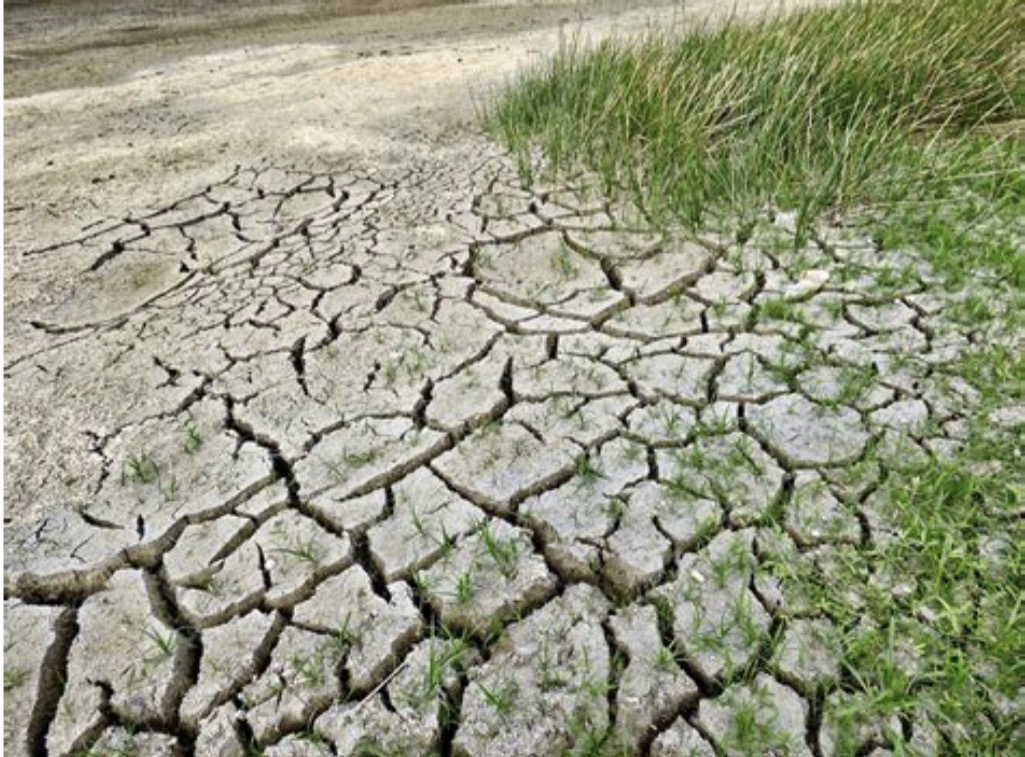
These temperatures and their effects are new to the region, which has historically experienced relatively mild summers. While Ireland was spared the ferocious heat and heat-related deaths experienced by other European countries this summer, the Emerald Isle turned a shade of brown by severe drought throughout July and August. July in Ireland was the island’s driest and second hottest in a century, with most of Ireland experiencing absolute drought, defined as a period of 15 or more consecutive days with recorded rainfall of 0.2mm or less.

Arid conditions extended to Irish agriculture, with excessive temperatures affecting pollination and crop growth. Drought is a growing concern in agriculture as climate change is expected to make such droughts more frequent. Farmers bear the immediate cost of these changes on their crops and livestock. The Irish Agriculture and Food Authority estimated that costs for dairy farmers have risen to about “€3 million per day nationwide.” Higher prices will not only affect the dairy sector, with the potato sector already having reduced yield potential. The impact on farmers will continue on to consumers through smaller crop yields and higher food prices.
July blazed into August with wildfires ripping across 16 locations across Ireland, including ‘apocalyptic’ scenes in the Wicklow Mountains. The fires across the country were due directly to human carelessness, with one forestry professional asserting that “forest fires in Ireland never start naturally.” The fires in Wicklow were thought to have been sparked by a discarded barbecue, but the flames spread faster due to the pre-existing dry conditions. In an attempt to help fight the fires and to ease pressure on the strained water system, water restrictions were put into place in and around Co. Dublin, with a nationwide hosepipe ban in place from July 24th to August 26th.
Summer has wound to an end, and students may feel a cool breeze when they step back onto campus. However, the mild temperatures in Dublin can conceal the serious impacts climate change is already having in Ireland, and across the continent.