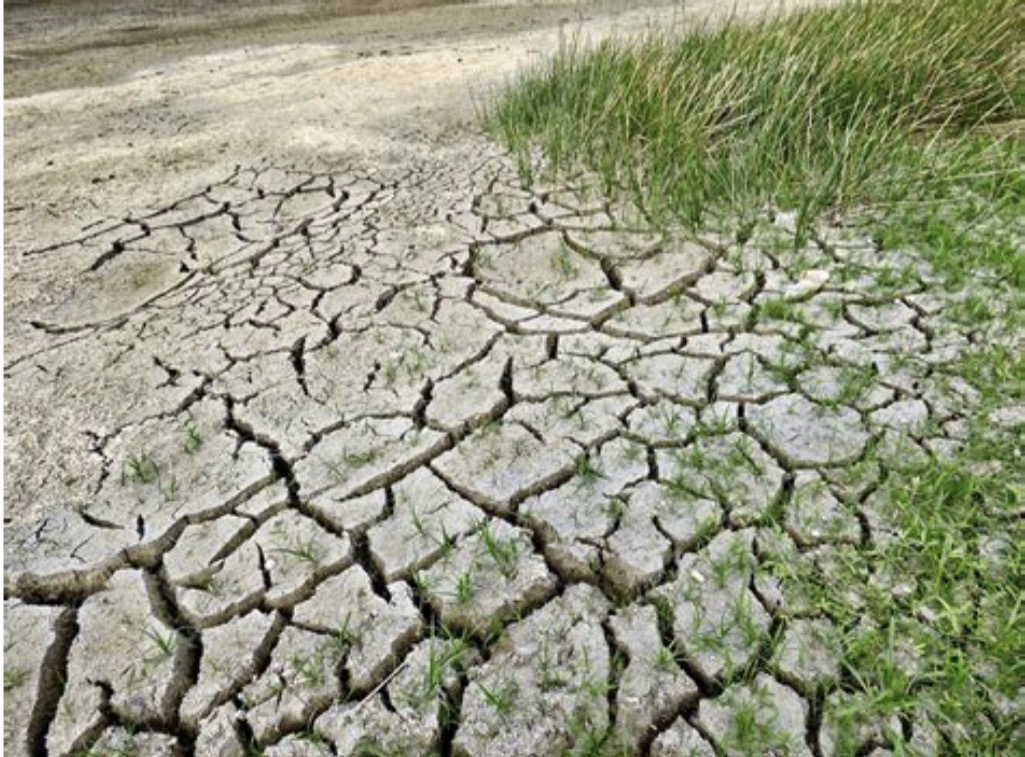
This summer, Europe has been struck by record-breaking heat, with five heatwaves sweeping across the continent between May and August. Although Ireland faced heat to a lesser degree, it still experienced the second hottest July since 1900. Temperatures hit the 40s in countries including France and Spain, resulting in devastating wildfires. Faced with heat-related hospitalisations and deaths, the topic of global warming has been on the minds of many. However, the conversation has largely stayed on land, especially as many of these hotspots are also popular holiday destinations for coastal tourism. But what is happening off the coastlines is equally pertinent to climate discussions.
According to the National Oceanic and Atmospheric Administration (NOAA), marine heatwaves occur when sea surface temperature (SST) exceeds 90 per cent of typical regional temperatures. They can vary drastically in duration, from days to years. Like on land, heatwaves have widespread effects for marine ecosystems. Higher temperatures impact the very characteristics of seawater, expanding it and releasing oxygen. As the sea expands, sea levels rise and risk coastal flooding.
Moreover, as oceans warm, they can hold less oxygen, which can damage marine populations and biodiversity. For example, jellyfish, which are able to survive in lower oxygen levels, have been increasing in abundance at the expense of other marine life like mackerel. This causes dolphins to feed off jellyfish, in effect altering the food chain. And feeding is just one example of how lower oxygen levels can change marine ecosystems. In addition, certain species are unable to survive in warmer temperatures. For example, elevated temperatures are a common cause of coral bleaching — the process of corals losing essential symbiotic algae and often dying.
Habitat shifting is another major impact of marine heatwaves which has consequences for ecosystems as well as humans. Not only can heat lead organisms to migrate in search of preferred temperatures, it can also introduce invasive species to new ecosystems. Scientists have typically assessed marine heatwaves based on how much they increase temperatures and for how long. This focus on local warming generally only pertains to stationary organisms. However, NOAA has introduced the metric of ‘thermal displacement’ to understand to what extent mobile species respond to different temperature changes in ocean surface water. This gives an indication of how ecosystems may change in the future in response to rising temperatures, according to the NOAA.
A major example of heat-induced migration occurred from 2013–2016 in the northeast Pacific Ocean. This involved a mass movement of various species from Southern California to the Gulf of Alaska, beginning with salmon and sardines. Ocean warming led to a loss of 95 per cent of endangered salmon eggs. As a result, hundreds of lion pups dependent on the eggs were left to starve, stranded on beaches. In addition, decline in krill and fish populations forced humpback whales to feed closer to shore and scrounge for anchovies. Heating can also result in algal blooms, which happened during this event. This released toxins into the ecosystems, to the detriment of clam and crab fisheries vital to local economies in the Northwest Pacific.
Seeing that heatwaves are becoming more common in Western Europe, it is likely that such impacts may become more frequent here as well. Attracted by warming waters, 1,000 invasive species have already moved into the Mediterranean. Scientists predict that they will continue heading north, disrupting native species along the way. According to NOAA, marine heatwaves are accelerating the increase in ocean temperatures similarly to global ocean warming. However, they are doing so at a significantly higher rate of 200km in a matter of months, compared to around 20km per decade. Currently, the world’s oceans are the hottest in recorded history, including here in Western Europe, where summers have typically been relatively mild. This phenomenon is just as impactful as the heatwaves happening on land, and it is therefore vital that we begin to understand what is to come.
Circling back to holidays, Europeans — particularly in France and Spain — are grappling with how to combat the summer heat, which is beginning to seem like the new normal. Anamike Shreevastava, a researcher at New York University, said that “air conditioning is an especially critical issue in Europe in the short term,” with only 23 per cent of homes having it. Instead, water and fans have been weapons of choice, with people increasingly fleeing to the coast. And human responses to heatwaves are impacting marine life just as much as the heat itself. Increased coastal tourism has been linked to coral reef damage, disturbance of marine wildlife, marine debris, and overfishing. Pollution by humans can lead to disorders and death for many organisms through microplastics, polychlorinated biphenyls and other nanoparticles found for example in sunscreen. Similarly, even unassuming flash photography has been shown to disrupt the feeding of mantra rays. And while air conditioning may ease the discomfort of heatwaves for humans, it results in enormous spikes in greenhouse gas emissions.
Thus, as marine animals seek relief from warming oceans, they are also faced with human interference. As individuals, we can look at our own small impacts. Choose an eco-friendly sunscreen. When relaxing on holiday beaches, remember to be mindful of the vibrant ecosystems that surround you. Remember that although we are driving climate change, we are not the only species experiencing it.