
Discussions about dietary choices for a more sustainable lifestyle often circle around meat and dairy intake. However, alcohol production and consumption are also significant sources of carbon emissions. A Swedish study estimated that alcohol consumption generates an average of 52 kg of CO2 per person every year, equivalent to around 70 glasses of milk (which is a lot). Ireland has a complex culture surrounding drinking and alcohol consumption, and overall drinking is on the decline in Ireland. Still, 82% of adults have reportedly drank alcohol in the past 30 days. Drinking is also still a large part of the college social scene, with over 70% of surveyed Trinity students engaging in what can be classified as binge drinking.
While there are obvious detrimental impacts for individual health, drinking alcohol has wider, albeit less immediately evident impacts on the environment. There is a lack of consensus on how to exactly measure the environmental impact of alcohol, with different studies using different criteria. However, it is certain that the complex processes behind creating and distributing fast-moving consumer goods contribute to climate change. The production of alcohol causes ecological harm through water and energy use, including deforestation, and soil quality depletion. The most harm from alcohol production comes from the packaging and transport processes, where annual emissions from manufacturing beer cans in the UK are estimated at over 340,000 tonnes of CO2.
Beer is the most commonly consumed alcohol in Ireland, with wine and spirits trailing behind.

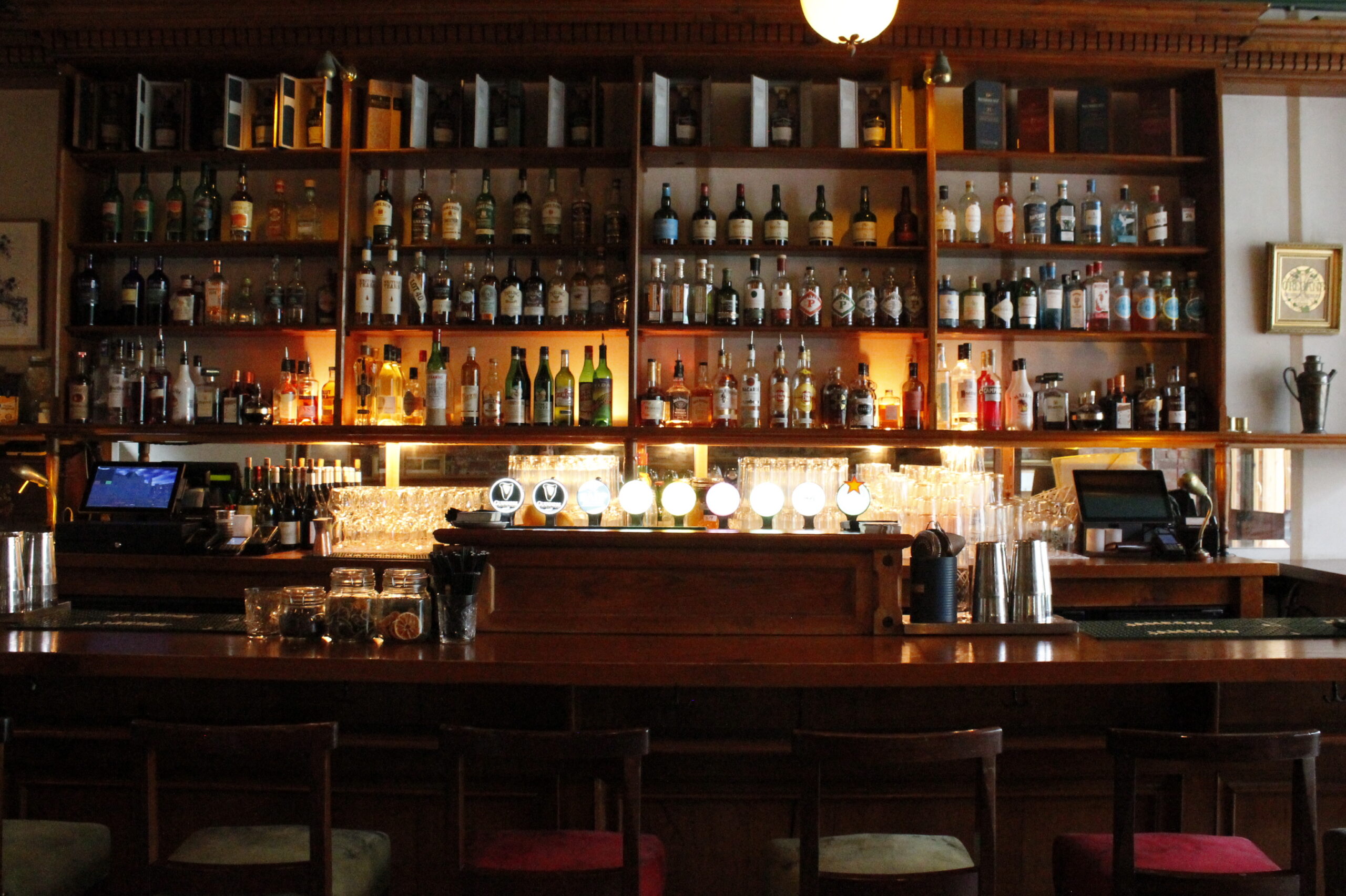
So focusing on beer, when a reveller is out on the town, they can expect to find Guinness, Heineken, Beamish, and Orchard Thieves or Rockshore cider on tap. The kegs that supply these taps are the most sustainable form of packaging, as they are reusable and recyclable. More often than not, it is the more sustainable option to consume locally and seasonally made goods. Keeping all this in mind, and the theory that there is no true ethical consumption under capitalism, I would propose that Guinness on draft is the most environmentally friendly drink to order in a pub. The Guinness company has enacted green initiatives aimed at regenerative agriculture and reducing carbon emissions, through their €100 million investment at the St James’s Gate factory. Even after 267 years, Guinness remains a symbol of Irish excellency and by far the most renowned Irish beer.
But according to company data, Heineken dominates the lager market in Ireland. Heineken is a publicly traded Dutch company, but 98% of the draught beer sold in Ireland is produced in Cork. Moreover, the company has received awards for their sustainability efforts, and has a balanced growth strategy in line with the UN Sustainable Development Goals. The Heineken Company owns 300 different beer and cider brands, including popular options like Birra Moretti, Murphy’s and Beamish Stouts, and Orchard Thieves. All of these drinks are served on draught, and are brewed by Heineken Ireland’s (subsidiary of Heineken) brewery in Cork. If you are looking to support a fully locally owned and operated beverage company, White Deer Brewery is also stocked in plenty of pubs around Dublin. They have a strategic decarbonisation plan that reduces energy use and emissions, while producing a variety of beverages like stouts and lagers.
While it is important to make informed choices as a consumer, it is also important to understand that there needs to be wider political efforts to conceive of alcohol consumption and production in a more sustainable way. We need global ‘intragovernmental coordination to address climate change, and to hold the alcohol industry to account for their climate impacts,’ according to Megan Cook, a research fellow at the Centre of Alcohol Policy Research (CAPR) at La Trobe University for the BBC.
So while most drink options are owned by larger companies, drinks on draught still produce, on average, less emissions than something in a bottle or a can. Overall, getting a drink from something that is on tap, preferably something produced in Ireland, would be the lesser of evils.