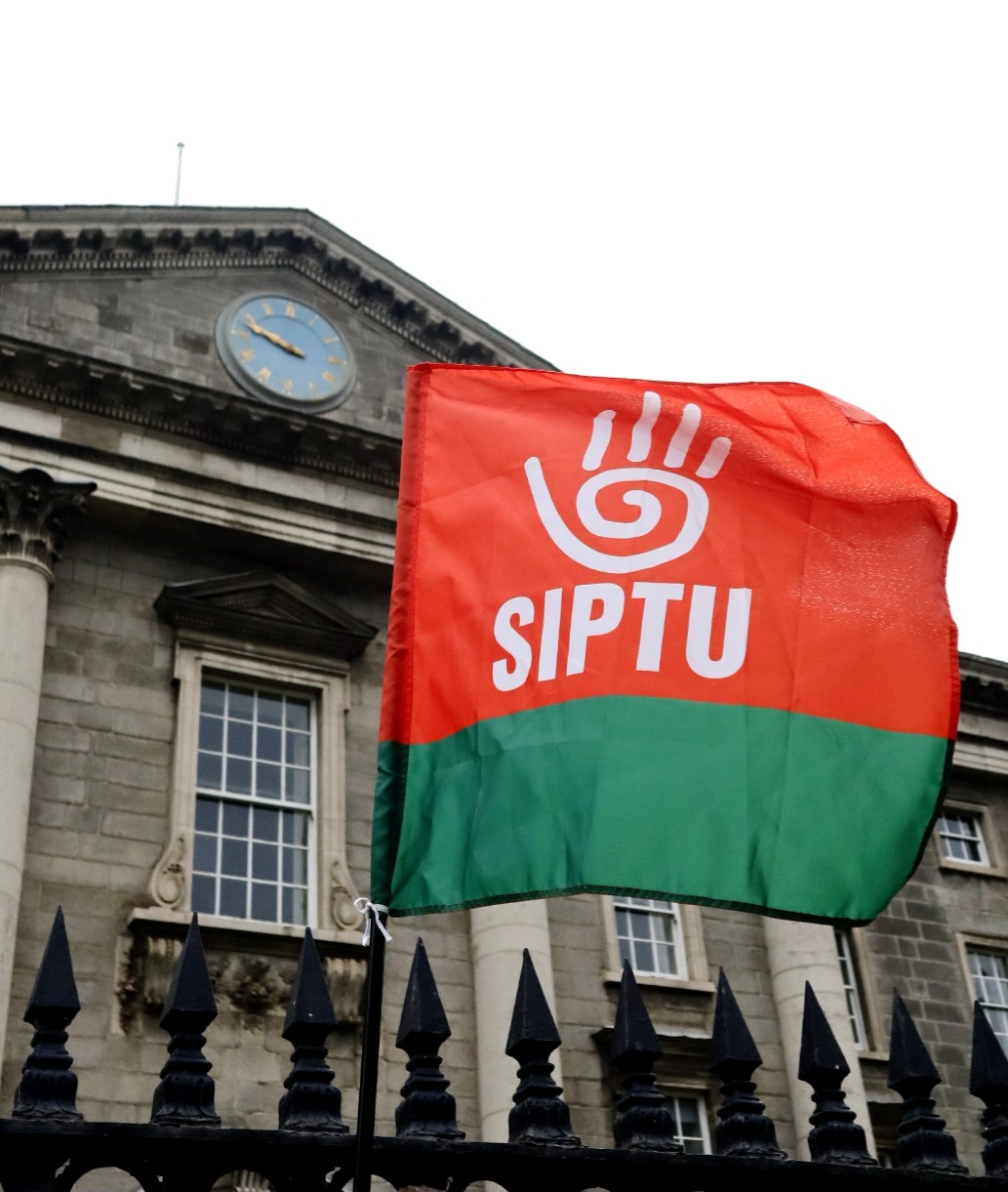

April’s fuel protests have had a long shadow on the Irish political landscape. No group is more acutely aware of this effect than organised labour. For years, the trade unionist movement has operated largely within the bounds of what the Services, Industrial, Professional and Technical Union (SIPTU) General Secretary John King called “democratic legitimacy”. The unions possess the legitimacy, and we have both the numbers and support. These advantages, paired with the visibility and disruption of large-scale industrial action, can and will put power in the hands of workers. In April, calls for a more militant approach to cost-of-living issues became louder and louder. Connect’s Assistant General Secretary, Brian Nolan, warned that workers will recognise the situation if “he who shouts the loudest gets heard”.
That is now the political reality, and the labour movement must rise to the occasion. 300,000 workers on strike is, undoubtedly, a fairly loud shout. That voice was not silenced or dampened by entering into Workplace Relations Commission talks. In fact, those talks were part of the goal, and the trade unions’ strength in these negotiations was bolstered by the show of force last month. Unsurprisingly, the government has failed to deliver anything in the way of acceptable terms, failing as they so often do to address the cost-of-living crisis. The planned strikes on November 12th will only amplify and strengthen the voice of the workers in this dispute, reinvigorating the mass public support that we saw for them last month. It is becoming clear to us that the government listens to disruption, not reason.
Simon Harris said as much to RTÉ, attempting to plámás public sector workers by appealing to their “depth of feeling”, but seemed more concerned by the disruption this may cause to an upcoming European Political Community event rather than the public sector workers coming home with less and less every month. Ultimately, it seems that Harris believes the onus is on the unions to find a solution, not the government who has squeezed, overworked, and underpaid their workers. The Tánaiste gave it all away in this interview to RTÉ when he exclaimed “let’s get that extra money into the pockets of [public sector workers]”, making clear what we already knew — it’s all about money to this government. They felt they could solve April’s fuel protests with money, and now they will try to mollify workers without engaging in the actual issues of inflation and cost-of-living. This government listens to, and fears, disruption. They do not listen to the “democratic legitimacy” and good-faith negotiations, and therefore we must make them listen through action. These are the new rules of engagement.

The new rules of engagement are becoming obvious, as this government desperately tries to appease everyone, everywhere, all at once. The more we can organise, strategise, and mobilise, the more seats we will have at the table. Equally important is having seats in the Dáil, where pressure can be applied legislatively alongside industrial action. This is the role that Labour has always filled and will continue to do so. That is not to say that other parties, at least those on the left, do not speak to trade union interests, but Labour can most effectively and authentically speak for trade union interests. No other party on the left has as close a relationship with organised labour, with many Labour representatives having trade union backgrounds, and key figures in the trade unions being lifelong Labour members and voters. Labour Youth is particularly strong on this front, organising support for picketing workers and wholly committing to the cause of labour. The Labour Party and Labour Youth must rise to the occasion and continue to support our comrades on the picket line. A Labour government would be far better equipped to handle these issues, or to have prevented them from arising in the first place. Indeed, the greatest boon to organised labour would be a Labour government — and there’s plenty of work to be done on that front. If you want to support the strikers, start by joining and voting Labour.
How can we, as students, adapt to these new rules of engagement? The broad public support for striking workers was encouraging, but we must go further. Naturally, the first step is to join a union. Many of us are working part-time jobs during term time, some of us working longer hours than that. As I’ve written before, the weekend economy consisting of bars, cafés, and nightclubs could not function without student labour. The next step should be obvious — support the strikers by joining their unions.
Further, we are already members of a large and visible union, TCDSU/AMLCT. The students’ union movement must be in lockstep with the trade union movement, supporting them at every turn and adopting their tactics, including the direct and disruptive tactics that this government seems to listen to the most. Student unions are often criticised, as many students feel disengaged and dissatisfied. We can, therefore, take this opportunity to radically rethink how our movement operates, incorporating solidarity, supporting student workers, and putting collective action at our core. We can become a mobilised, militant, powerful union, tied fundamentally to organised labour. If he who shouts the loudest gets heard, then we must be ready to add our voices to the chorus.