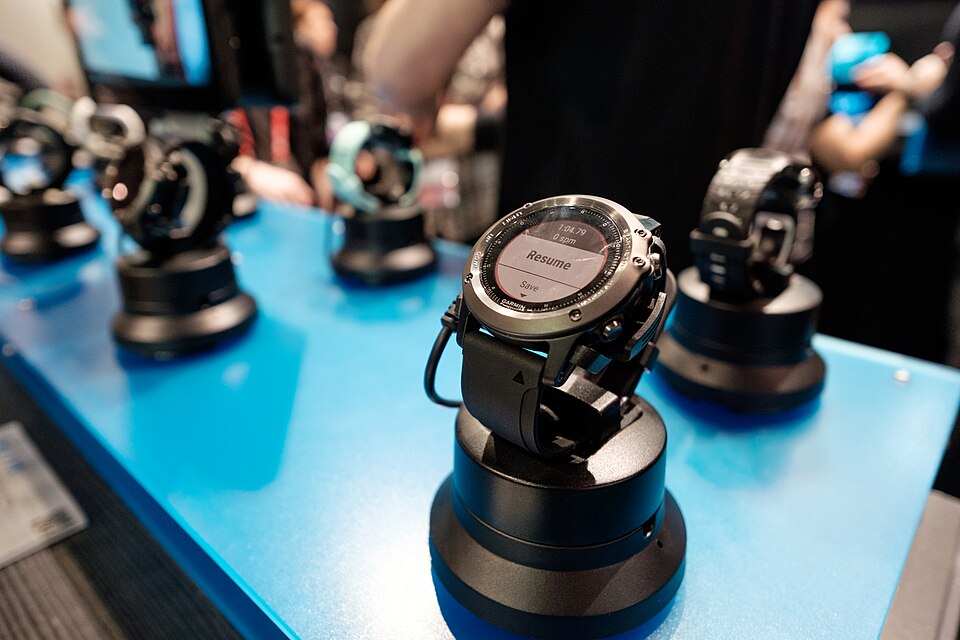

Gone are the days when “Always on Camera” referred to Vivienne Westwood’s Autumn/Winter 1992 collection. Although we lived in a society of spectacle, it at least existed only in the physical world. Between Kylie Jenner’s Meta Glasses brand deal and Gen Z living in fear of being filmed dancing at the club, it feels like surveillance is everywhere, even regarding the self. Some of us, myself included, are our own worst enemies. We start with traffic mirror selfies or mirror selfies at the grocery store checkout. We start policing ourselves through performance of the self on Letterboxd, Goodreads and Strava, and tracking our media consumption, and every physical move. This follows into wearable tech from Garmin watches to Oura rings for self optimisation. Inevitably, we’ll all start doing Ring doorbell OOTDs like the iconic Alexa Chung, right?
Historically, surveillance has been present in fashion, from Kate Moss in Nick Knight’s 1995 “Surveillance” shoot (part of “The More Visible They Make Me, The More Invisible I Become”. Knight utilised CCTV footage to comment on invasive celebrity fan culture. Dolce and Gabbana’s Spring/Summer 2003 campaign was no stranger to scrutiny either, featuring TVs with close-ups of models’ faces, wearing Dolce in the foreground. The shoot had somewhat of a Gen X Soft Club vibe but was unsettling nonetheless.

I don’t know whether Meta Ray-Bans will manage to sway Trinity’s student population, but Meta’s Oakley collab or Gentle Monster’s Intelligent Eyewear made in conjunction with Google and Samsung may cause a stir. The South Korean cult eyewear brand has incorporated AI into its glasses (modelled by Alex Cosani and Anok Yai), which is somewhat in line with its cyberpunk aesthetics and robotic in-store installations, and may have more of a mass appeal to twenty somethings with an interest in fashion.
On the other side of the camp, in fashion as resistance, we have MIA’s anti-surveillance brand Ohmni (drawing on the fashions of the IRA for inspiration, according to Vogue), which produces silver protective dresses, t-shirts, bucket hats, and various similar clothing. Anti-surveillance makeup and outfits typically feature busy patterns (think Kandinsky-like artwork on your face), silver, chrome and glitter. (Based on that description, Zara Larsson would be invisible to Flock cameras.) They typically use adversarial patterns with optical blocking, meaning algorithms can’t identify the users through facial recognition.
Berlin based designer, Moritz Iden, takes a different approach, blending social commentary and Harawayian symbolism in his designs. The cyberdeck girlies, creators of Mirumi (a fluffy wearable robot), and artist Sian Fan (and her Reconnection Charms) are trying to make tech fun again. Somewhere in the liminal space between exists Starboy, a Tamagotchi-like AI powered digital pet that can be clipped onto a carabiner. It’s equipped with cameras and temperature sensors but crucially, no network connection. Between artists and designers, there is a myriad of responses to how tech is evolving and being interacted with in the creative sphere
Closer to home, we have had artists engaging with surveillance via installation work like “Boogaloo Bias” and “This is how we roll” at Beta Fest (2024). The pieces comment on facial recognition and surveillance, and social media algorithms and regulation, respectively. Surveillance as an art form has also grown in popularity, typically created using tools like Touchdesigner.
To shop styles similar to adversarial fashion and support Irish designers, look no further than Seeking Judy’s silver sling bags, Pellador’s SS26 Burren longsleeve tee or textured background jerseys. Alternatively, you could (perhaps aspirationally) pick up JW Anderson’s silver shell clutch or twister bag, accompanied by one of Sorcha O’Raghalllaigh’s glittery ensembles. T-Lainey tights and a Love in Tokyo fit might provide a more attainable but equally fun outfit. Besides that, I suppose we just wait and see whether @spicebag.exe’s next drop provides…
If the constant fear of the panopticon and surveillance capitalism has not yet reached you, you may not have wondered, as I have, does wearing an Apple watch make you a cyborg? Cybernetic organisms (cyborgs) are any organisms that are enhanced by wearable tech, so it’s debatable when it comes to smart watches. If you believe the answer is no, the inescapable truth, regardless, is that smart glasses certainly do. Each day that we engage with them, we get closer to Paul Ohm’s idea of a Database of Ruin, a day when all personal data can be collated to reveal a closely guarded secret about any individual on the planet, particularly ones online.
Even if the usage of your personal data does not concern you, one must also question: what social cache do these surveillance tech wearables carry? Does wearing a tech bros illusion of taste lower your cultural capital? As we wait for the Database of Ruin to spill our secrets, all we can do is hope that one day people will stop posting GoPro footage of their kids on bikes, and we will be free from the shackles of seeing ourselves on a screen with messy hair at the Tesco checkout.