
The recent election of Serbia and Brazil surprised many, and as both resulted in the defeat of a far-right candidate the question arises: Is this the end of the era of populism? While only time can certainly tell how international politics are going to play out, with Hungary‘s departure from Orbán and the recent democratic victories in the US midterm elections, it seems that the spell of populist narrative might have begun to wear off.
The wave of right-wing populism and the erosion of democracy in the 21st century have been on a concerning rise, and have reached many Western democracies as well. Populist right-wing parties have been gaining momentum across Europe, and under their leadership, nations have seen declines in freedom of speech and judicial independence, and often an increase in corruption. The US has also experienced an unprecedented democratic decline according to the Variety of Democracy Institute. The election of President Lula in Brazil as well as the victory of the Student List in Serbia proved to be outliers in this general pattern, and while it is too soon to tell the long-term effects, there is ground for hope for those wishing the reversal of politics we have seen in the last few years. So could it be that populism is on the decline?
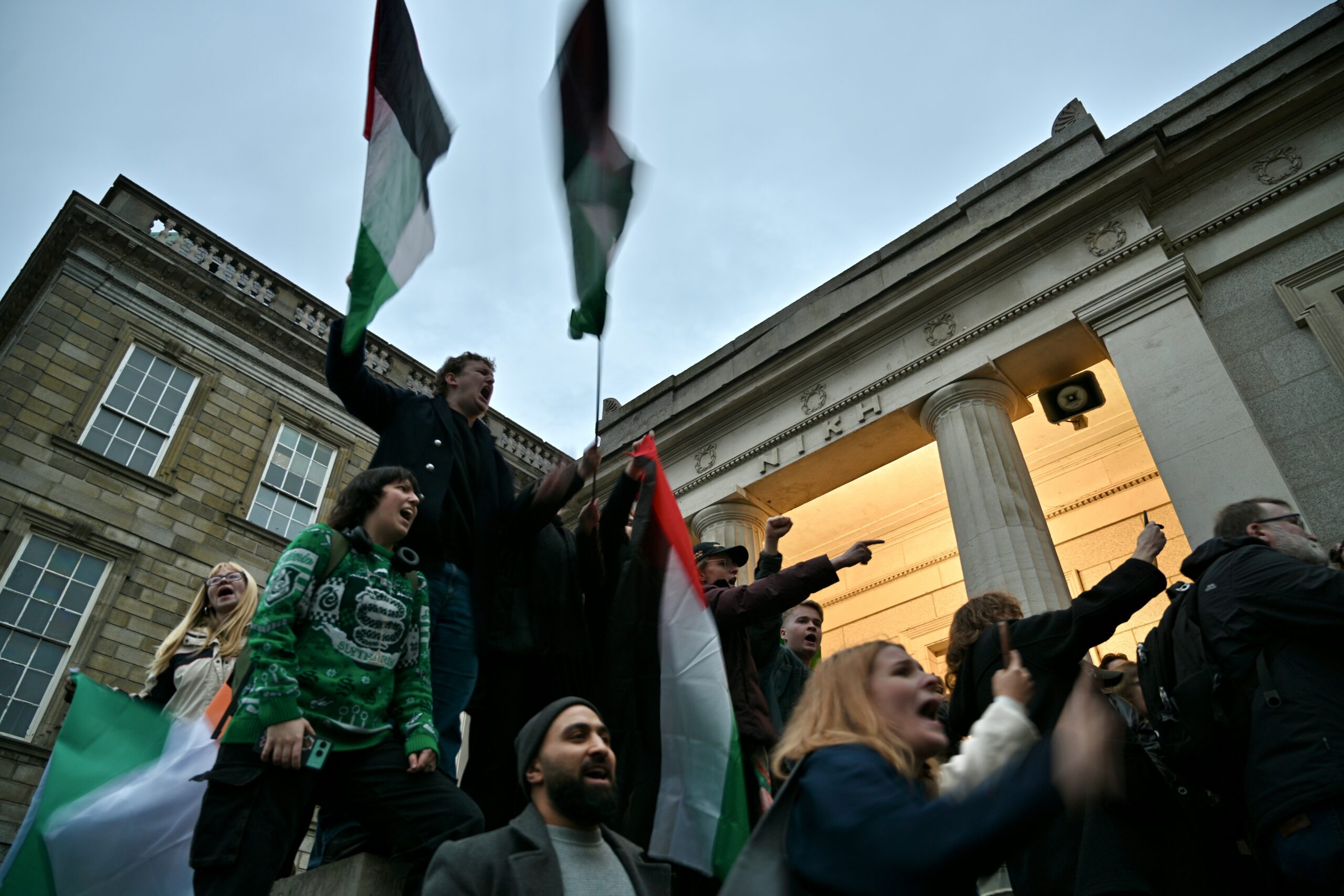
Populism is difficult to define, but a central idea in this political approach is the creation of an in- and an outgroup. “Us”, the ingroup, are not represented and are disadvantaged by the outgroup, often portrayed as the corrupt elite. While this narrative doesn‘t contain an inherent left or right pull, it was largely adopted by right-wing politicians to further nativist conservative sentiments. Textbook examples of populist leaders include Viktor Orbán, former Hungarian prime minister, and President Trump. Aleksander Vucic was a member of the populist leaders club as well, and sadly his governing as President of Serbia also brought the diminishing of free media, corruption, and the erosion of many healthy democracy indicators, but he was ousted from office this October after two years of student protests against his government. What was extraordinary about this election is the sheer number of people who decided to go to the polls, producing record turnout since the breakup of Yugoslavia. In the face of a semi-authoritarian regime that, according to the European Commission, expressed concerns about opposition and civil society activists, more people than ever decided to voice their distaste.

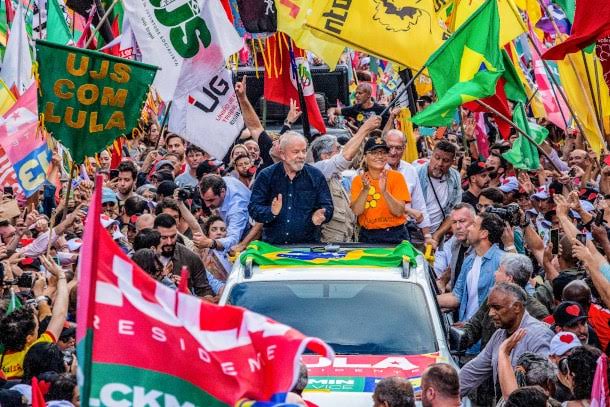
On the other side of the world, all the way in Brazil, the surprise of Lula’s victory came after Flávio Bolsonaro beat him in the first round of voting by two percentage points. Bolsonaro‘s unexpected defeat has largely been attributed to Lula’s strategic campaign encouraging voter turnout between the first and the second set of votes. Not only did the second round secure a staggering 80.08 per cent turnout, but the number of voters increased by almost three million, in comparison to the first round of voting. Turnout between first and second votes typically drops, so what explains Lula‘s extraordinary success? Anaïs Fléchet, professor of contemporary history at Sciences Po Strasbourg attributed this phenomenon particularly to an organised effort of mobilising Gen Z voters with targeted media campaigns.
Aside from high turnout, the engagement of young people is the common denominator in all these mentioned elections. It was clearly visible in Serbia just how active the youth had been. The elections were preceded by two years of student protests, and it was the Student List that defeated the previous regime. According to Választás.hu, Hungary also recorded record-high turnout since 1989, as well as high under-30 engagement. It is to no one’s surprise that the US midterm elections just last week recorded the exact same trends, and produced a tsunami-like blue wave.
However, each of these elections is a one-off event that must be interpreted within its context and political environment. To draw conclusions about whether these results will be replicated within other nations would be to generalise the intricacies of different electoral or party systems and could easily present a false picture. What we can nevertheless do is look at the underlying trend. Parties in each of the observed countries were able to mobilise record numbers of voters, many of them under 30. It seems that the trend of declining turnout is reversing, and more and more people are participating in politics. A strong democracy rests on the will of the people and the more of it is expressed, the better. Additionally, while it may seem minuscule at first, what is even greater proof of steady progress is youth participation. A research study done at UCD in 2005 showed that if you have voted once, you are more likely to vote in the next election. So not only are political parties able to capture young voters for the present, but they are more likely to come back and vote in the future as well.
Turnout and youth engagement can certainly be viewed as hopeful signs, but it is difficult to estimate the exact impact these historic elections will have on the world. Nevertheless, perhaps there is a better way to look at these victories that have been fought for and awaited by many. It is certain that for millions of people, they mean a safer political scene in their home countries, a more progressive future. Only time will tell, whether slowly but surely, some of the past 20 years’ negative democratic progress will unravel.