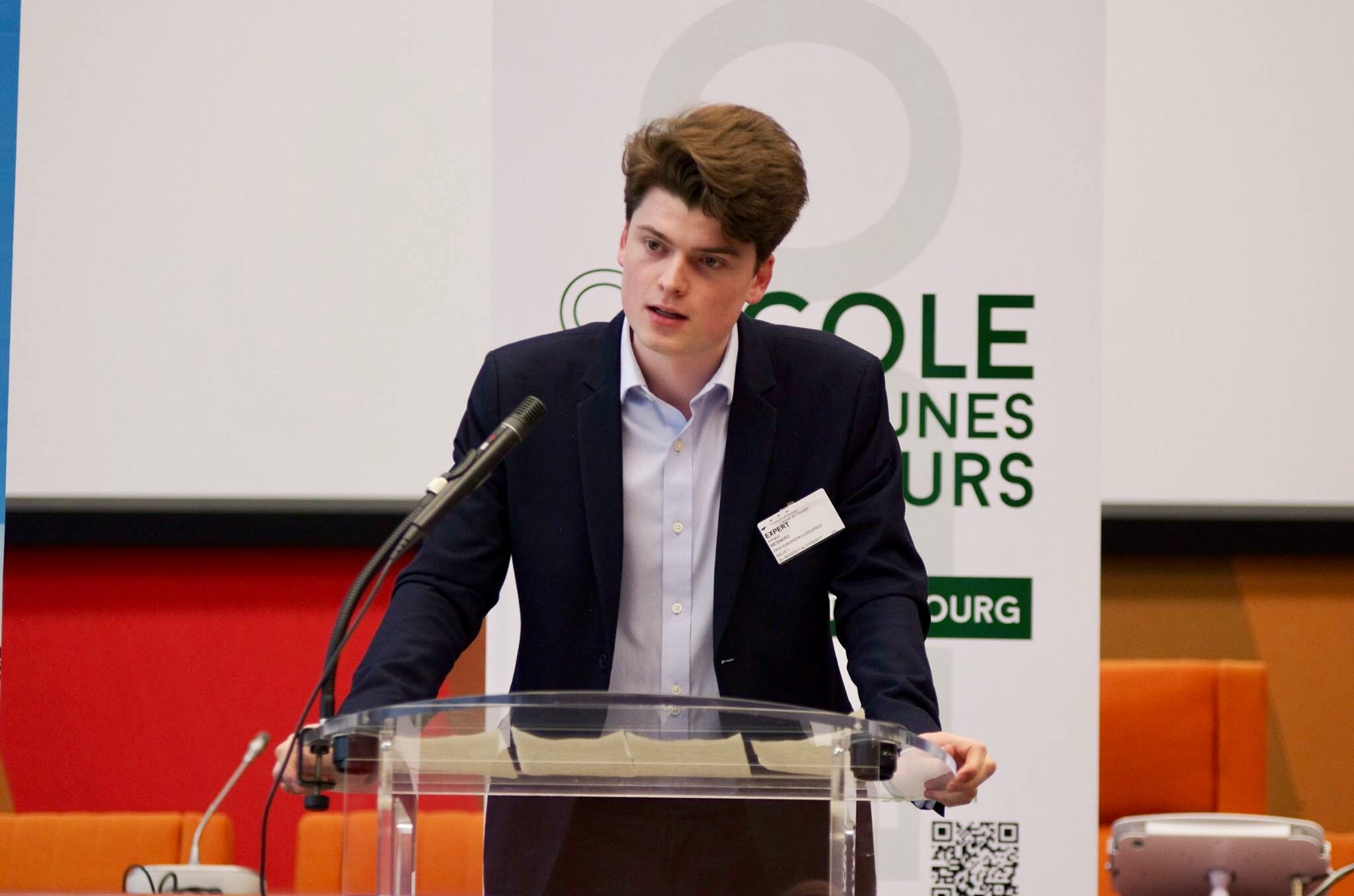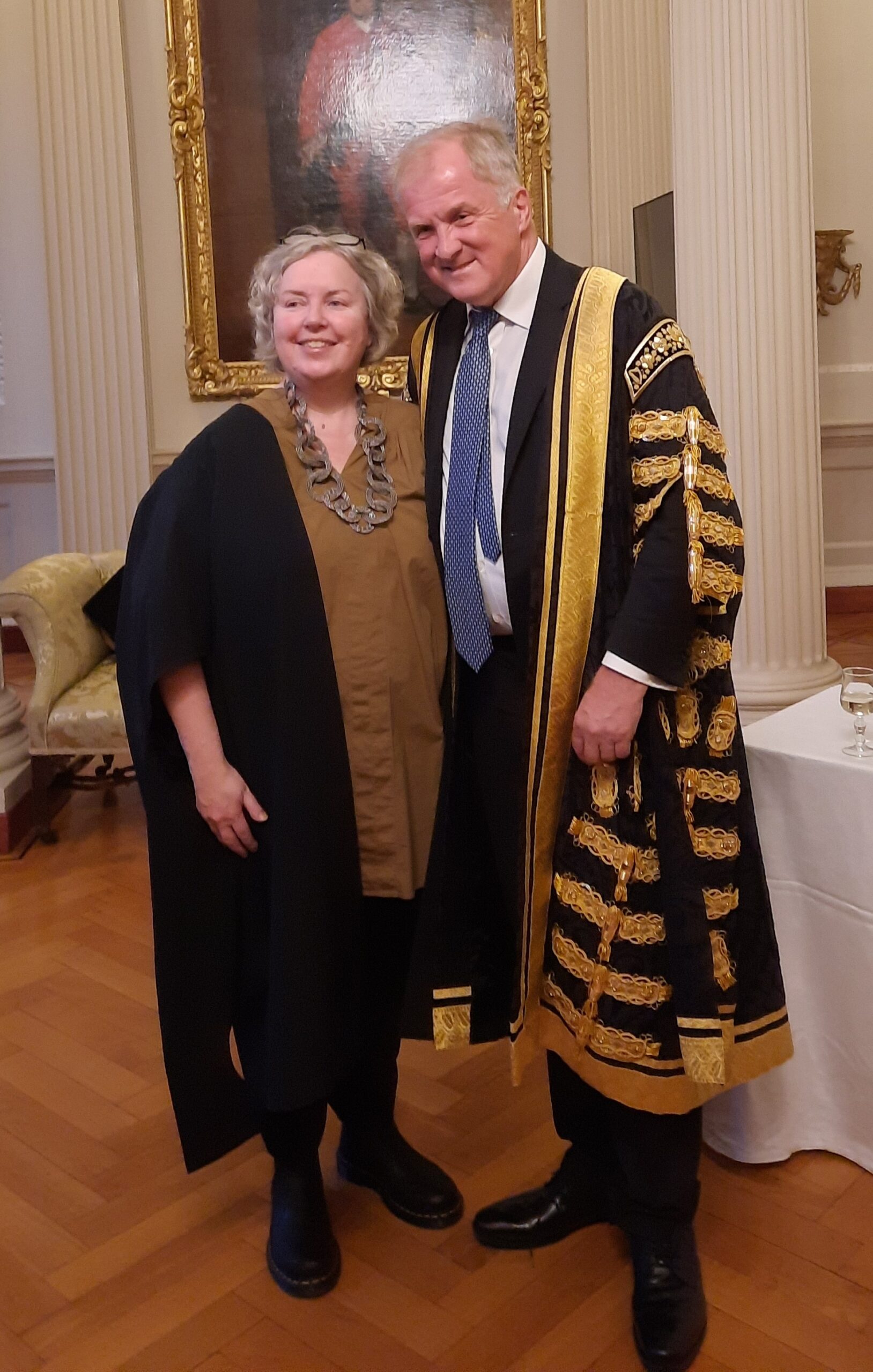

Hugo MacNeill is a Pro-Chancellor at Trinity and a former rugby player who was a full-back for Leinster and Ireland from 1981 to 1988. During his rugby career, MacNeill supported the Trinity Anti-Apartheid movement, refusing to join the Ireland rugby tour of Apartheid South Africa in 1981. In 1996, following the IRA bombing of Canary Wharf in London, he co-organised a Peace International rugby match that brought the best players in the world to Dublin to support those working for peace on the Island. He was the Chairman of the British Irish Association from 2010 to 2023. MacNeill studied economics at Trinity and graduated in 1978. He now works closely with the Trinity Centre for People with Intellectual Disabilities.
Parts of this interview have been edited and condensed for clarity.
What was the highlight of your time at Trinity?
“What was great was that the people I played with were from all different backgrounds and countries. I met a lot of people through that. We were involved in the anti-apartheid movement, and when I refused to go to South Africa, I got to meet President Nelson Mandela. People were passionate about things like that. We set up GOAL, the third-world charity here in Trinity, and we raised money for poorer countries. It was great for the academic side, but it was also great for a sense of social justice. We were very involved in North-South peace initiatives, and there were a lot of people from Northern Ireland in Trinity, so that meant you could talk to people and understand from first-hand experience. I found it incredibly rich and incredibly diverse. Secondary school is a lot of people from the same backgrounds, but in Trinity it was just exploded.”
“Even up to the present day, I’ve had the great privilege of working with the Trinity Centre for People with Intellectual Disabilities, which is a world-leading programme, and we take students, and we put them in the course for two years, and then we place them in companies. It used to be that people with intellectual disabilities had very limited options, whether working in coffee shops or working in bookshops, which is fine, but for the population as a whole, you want to give a choice.”
What advice would you give to your fresher self?
“I would say just get to know more people. I think the diversity of people here, even more so than when I was here, means so much here. The academics are important, and I know there are a lot of challenges, but Trinity is involved in so many aspects of our international life that it’s really good to plug into that.”
How did Trinity shape your life afterwards?
“Knowing a lot of different people from different backgrounds helped me both in the business world, but also in wider things to plug into. I’ve still been involved in North-South relations since my time in Trinity, when I got to know so many people in the North and, you know, the Centre for Intellectual Disabilities is a great thing to be a part of. I met people from all over the world, and they were involved in projects around social justice as well. That was an inspiration for me. The message is that in Trinity, there is somebody probably involved in a cause or something that you are passionate about. It’s just a question of looking and exploring until you find something that really excites you. I think it’s really important
What advice would you give to freshers in 2026?
“Hit the balance. Don’t just do the academics, but do the academics strongly as well. Get the most out of the course; don’t feel under pressure at the end of the year, but balance that with all of the other things that you can get involved in. When you go out and you go into the world of work, you may be more narrowly focused, and you look back and say, God, I’m working with maybe a relatively limited range of people. If you’re getting into too many things, then maybe cut back, but just really get involved, and you definitely won’t regret it. Here I am, all these years after leaving Trinity, able to tap into things that excited me at the time as well.
Do you have anything else to add?
“The thing that really, really excites me is the Centre for Intellectual Disabilities. I’ve made friends with some of our young students with intellectual disabilities, and they are so inspiring. We’re so ambitious for this course to make a huge impact well beyond the walls of Trinity. It’s a privilege to be involved with them.”