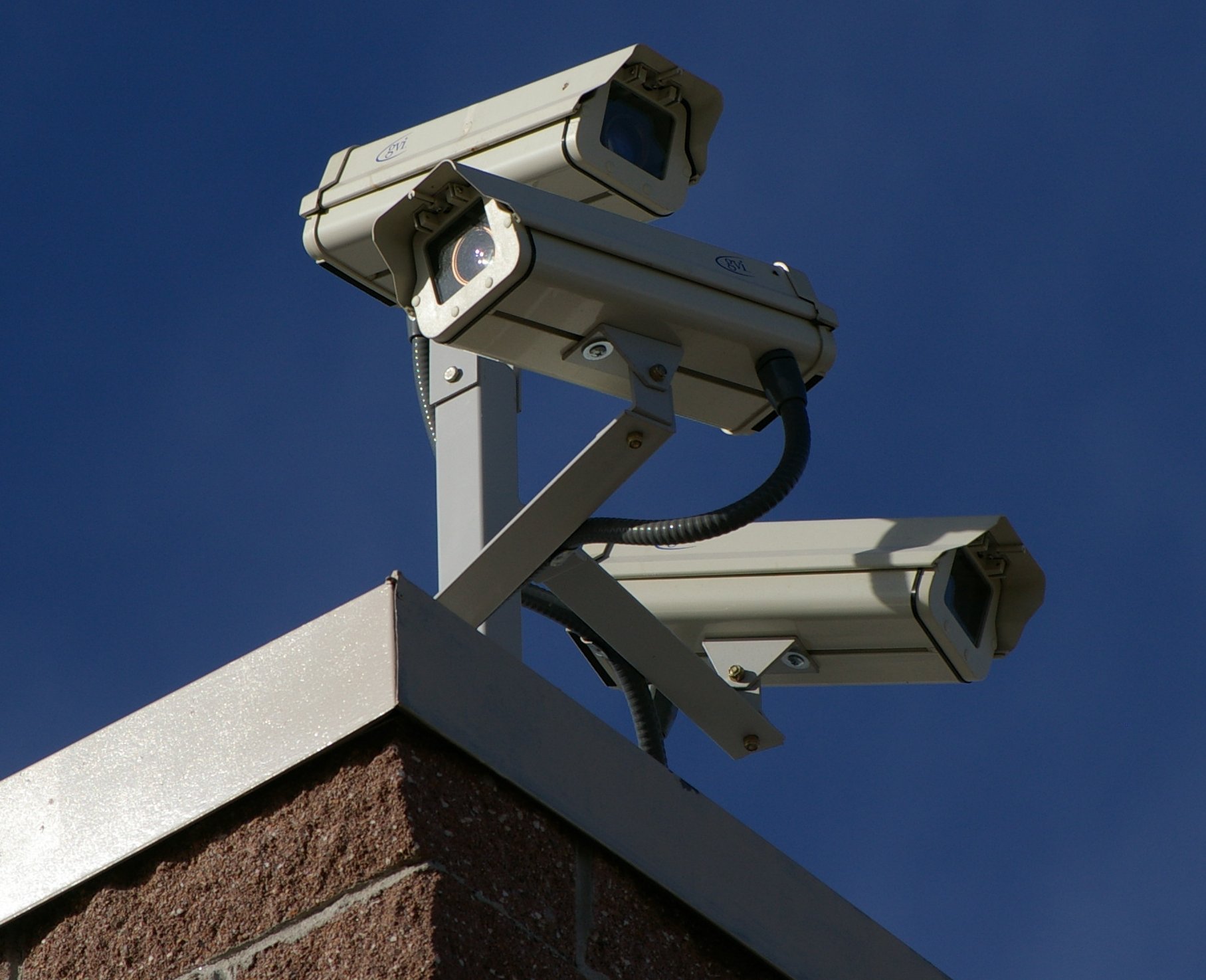

Journalists across the island have raised issues with the new Garda Powers Bill and its restriction on their freedom of reporting. The July 2026 Amendment to the Recording Devices Act allows for biometric analysis to identify individuals under circumstances involving Garda investigations.
This has led to fears that journalists will be placed under surveillance as authorities attempt to trace sources for these investigations. The Role of Crime and Security Journalism in Irish Democracy report, which featured 23 participants, highlights these experiences. Of those interviewed, one reporter was threatened with arrest following an investigation into their sources, while others refused to disclose information or stated “no comment” to questions from the Gardaí.
This has fueled fear among journalists on both sides of the border that their communications are being digitally tracked to reach their sources. Yet, participants expressed a differing perspective regarding the Police Service of Northern Ireland (PSNI) and An Garda Síochána. They noted that while the PSNI is more structurally open, the Gardaí have historically had less knowledge and infrastructure for high-tech surveillance, which has created a closer, more informal relationship between journalists and local officers.

The report’s co-author, Dr Cian Ó Concubhair, expressed deep concern to RTÉ News regarding his findings, suggesting that this bill could undermine media independence. This sentiment was shared by the report’s participants, with one stating that their ability to do their job is facilitated by engaging with “confidential material without interference”, an ability they feel is compromised by the amendment. Furthermore, the report highlights a “culture of secrecy” within An Garda Síochána and its negative effects on the flow of public information.
Dr Eileen Culloty of EDMO Ireland also shared her perspective on the report. She cited a severe lack of public-interest information and called for a “bigger culture of transparency” in Ireland to prevent this systemic pressure on journalists to hand over their sources.
In response to concerns, An Garda Síochána expressed their commitment to the protection of journalists’ right to report freely and safely.