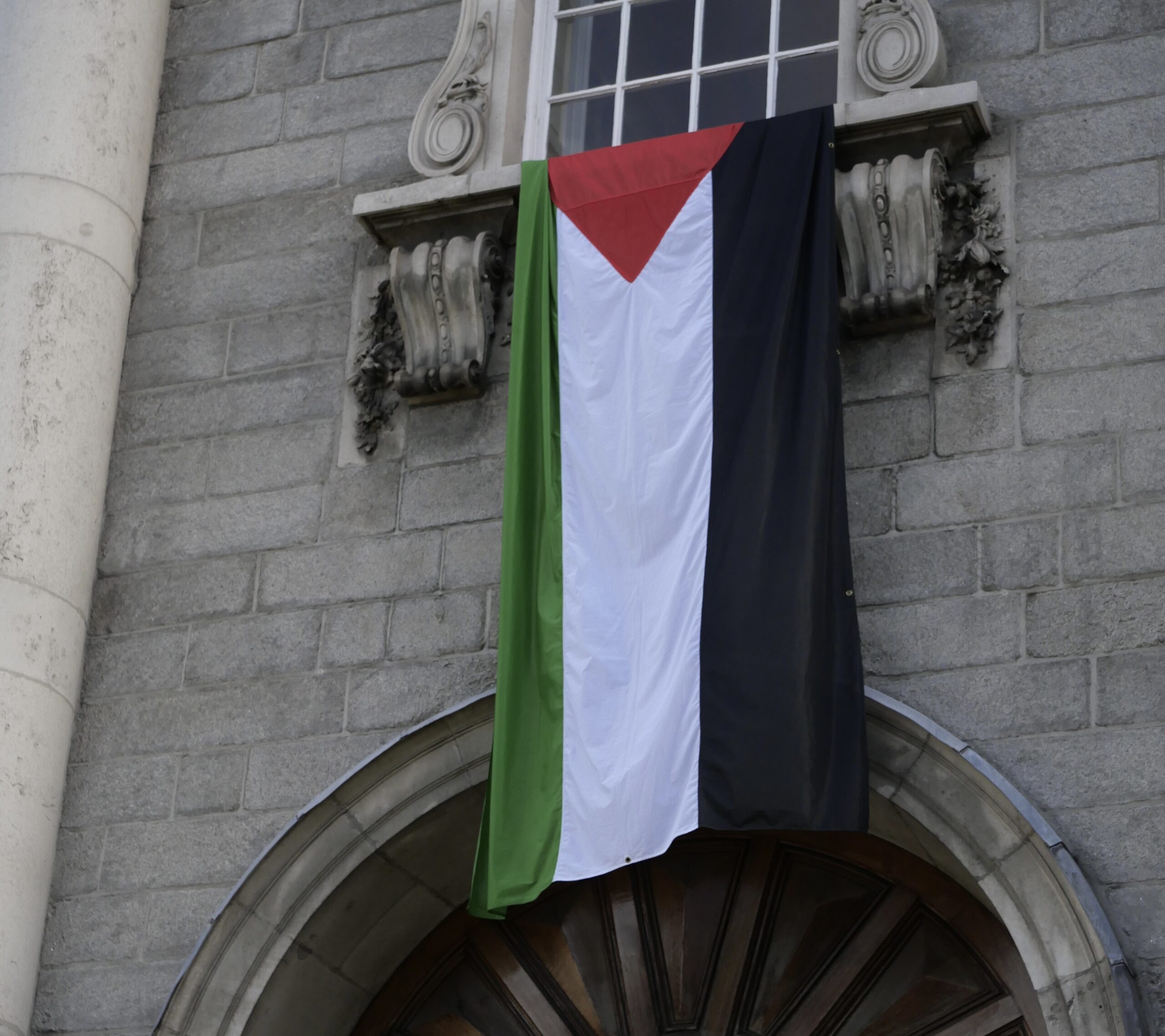

As the 2026–2027 school year begins, an unprecedented number of long-stay student visas from Palestine are being rejected. The University World News currently reports that the Irish Department of Justice has received roughly 130 Type D Long Stay Study Visa applications from Palestinian nationals. Of these applications, currently 103 applications have been rejected. This puts the rejection rate for the processed applicants at a staggering 79.23 per cent.
This is a concerning rate in comparison to the 2025 Type D Long-Stay Student Visa application results from Palestinian students, which saw 166 applications submitted from Gaza and other parts of Palestine. Of those 166 applications, 144 long-stay visas were granted while 22 were refused. This puts the acceptance rate at 86.75 per cent and the rejection rate at 13.25 per cent.
As currently reported by representatives of the “Universities of Sanctuary” initiative, at the very least 31 of the 103 rejected applicants are Palestinian students who have received partially or fully funded scholarships to attend an Irish university, including schools such as Trinity College Dublin, University College Dublin, University of Limerick, and NCAD. The Irish Universities Association, also known as the IUA, has issued an official statement expressing concern over this unprecedented spike in rejections and has been engaging with the government across several departments and ministries since these 2026 Palestinian student-visa numbers were released.

According to responses from the Irish Department of Justice, nothing has changed between the 2025 and 2026 applications. The Department of Justice has stated that there has been no change to visa requirements and that all applications are assessed based on individual merits, insisting that standard immigration rules apply equally to all international students. Many students and academics have found this hard to believe, given the 65.98 percentage point increase in the rejection rate for Palestinian student visas. This spike in rejections applies specifically to Palestinian student visa applications, and is not reflected across any other countries international student visa applications to Ireland.
The 103 applicants who were rejected have cited these reasons for rejection: being unable to account for the gaps in their education or employment history; having issues providing standard financial documentation; being unable to provide access to high amounts of funds; and being unable to provide proof of guaranteed return. As many academic and political figures have pointed out to the Department of Justice, these reasons do not account for the active war going on in Palestine. Students cannot account for the gaps in their education and employment history because of the war itself; there are no classes to attend, nor jobs to apply to, something which should be evident to immigration officers and the Department of Justice given the active conflict.
Expecting Palestinian students to be able to provide official financial documentation is ignorant of the reality of life in a war zone; approximately 93 per cent of bank branches have been destroyed in the Gaza Strip by the Israeli military, as reported by the World Bank. Outside of Gaza, while the banking systems remain functionally open and digitally active, they face a global disconnect from the outside world due to dependence on Israeli banks to clear transactions, trades, and requests. The threat of disconnection from Israeli banks constrains normal banking activity and forces Palestinian banks into a structural bottleneck, according to the World Bank Economic Monitoring Report. This leaves Palestine with little to no functioning banking infrastructure, making it practically impossible for many Palestinian applicants, especially those in Gaza, to access official banking documentation.
Further, if the rejected Palestinian scholars wish to appeal the decision of the Irish Department of Justice, it is required to mail their appeal to Ireland. While there is no official count for the total number of postal offices destroyed in Palestine, the entire postal system within the Gaza Strip is currently nonfunctional and frozen according to the UNI Global Union, which represents more than 150 countries. The devastated postal and banking systems are a result of the systematic destruction of civilian infrastructure in the Gaza Strip by the Israeli military. Outside of the Gaza Strip, while the official postal services are functioning in most areas, the major international postal services are suspended or restricted by most global carriers due to regional and global security. This makes physically posting mail to Ireland and getting access to official financial documentation not only an impossible feat, but an impossible expectation of the Department of Justice.
While the complete statistics regarding the 2026 Type D Long Stay Student Visa decisions will not be finalised until the end of the year, the unprecedented surge in Palestinian student visa refusals expresses an alarming trend which indicates a contradiction to Ireland’s official stance of solidarity with Palestine.
Note: this article was written before September 17th, date of Student Visa deadline elapse.