
Sally Rooney’s novels are disappearing from British bookshelves as stocks dwindle. No new books will be supplied. With Rooney’s consent, her UK publisher has decided to pull the novels over concerns of legal prosecution, due to Rooney’s outspoken support for Palestine Action. Though shelves outside the UK are not impacted, the situation begs the question: is reading Sally Rooney political?
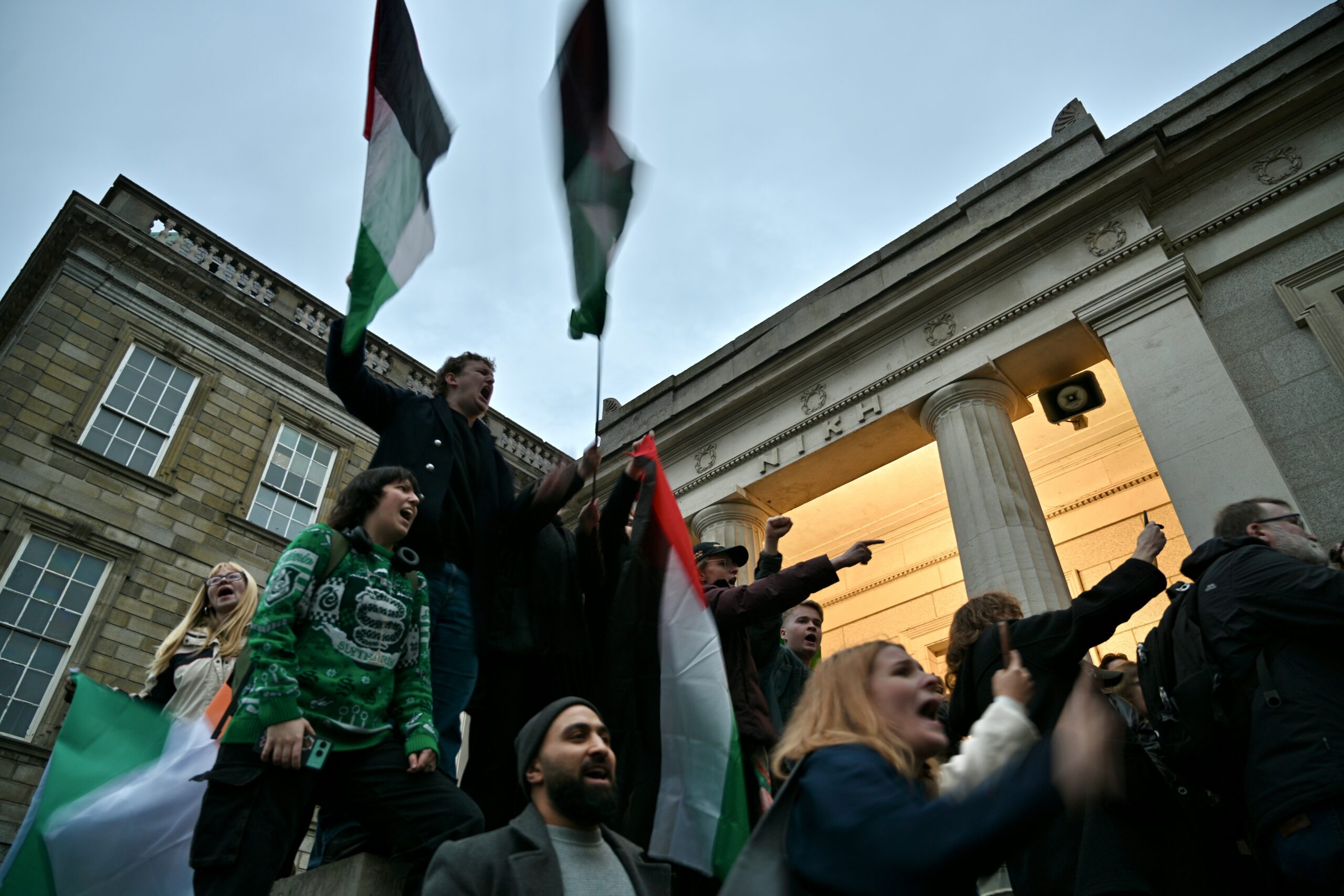
A little context: in June 2025, members of the pro-Palestine direct action movement broke into a Royal Air Force (RAF) facility and defaced two planes to protest and disrupt Britain’s military operations in the Middle East, particularly its support of Israel. In response, the British government proscribed Palestine Action as a terrorist organisation. Sally Rooney, author of four best-selling novels, including “Normal People”, published an opinion piece in the “Guardian”, titled “Israel kills innocent Palestinians. Activists spray-paint a plane. Guess which the UK government calls terrorism.” In the article, Rooney criticised the UK’s military support of Israel despite the ongoing genocide it is committing in Gaza, and expressed her support of the activist group Palestine Action.
Soon after, in another opinion piece published in the Irish Times, Rooney stated that she will continue to support Palestine Action, and that she intends to use the income generated by her novels and their TV adaptations to do so. Due to this statement, Rooney’s publisher, Faber & Faber, might face legal consequences if they continue paying out her royalties from books sold in the UK. In agreement with Rooney, Faber & Faber therefore decided to stop supplying her novels to UK bookshops earlier this month. Now that Sally Rooney’s persona has been politicised in public discourse, her international readers may wonder: Does purchasing a Sally Rooney novel have a real political impact? Has it become an act of activism?

Obviously, between statement and action there is often a huge gap. To figure out how much buying a Rooney book goes to Palestinian aid, we might need to guess first how much money Rooney is making from her book sales, so let’s run the numbers.
Since the release of her debut novel, “Conversations with Friends”, Rooney has sold over six million books worldwide. However, royalty payments vary by format, country, and the books themselves, and none of this data is publicly available. If we assume a royalty rate of 12 per cent and an average book price of €15, this would mean that €1.80 per sold book goes to Sally Rooney. With advance payments for all four novels, and the advance and residuals made through the TV adaptations, we might guess that if one purchases a Rooney novel, between two and four euros go indirectly to the author.
Though Rooney has pledged to use her income to continue “supporting Palestine Action and [other] direct action against genocide,” she has not specified what share of her income she will use and how she plans to spend it. Consequently, buying her books has a relatively low, uncertain, and indirect monetary impact on the pro-Palestine movement.
One might still argue that purchasing Rooney’s novels has a political impact insofar as her enduring success as a writer will maintain Sally Rooney’s prominent position in public discourse, which allows her criticism of the Israeli government and her vocal support of direct-action groups like Palestine Action to reach a wide audience. But the question of political impact is complicated by the twin shadows of capitalism and the climate crisis that loom over every consumer choice. It is questionable whether the negative impact of buying any physical goods can be outweighed by reading some vague political statement into the purchase. Any ostensibly positive impact of buying Rooney’s books is even more problematised if consumers choose to go through Amazon and other multi-billion-dollar corporations that actively erode the bookselling market and put smaller companies out of business. In a world worn down by late-stage capitalism and its many outgrowths, can any purchase be considered ethical, let alone a positive political act?
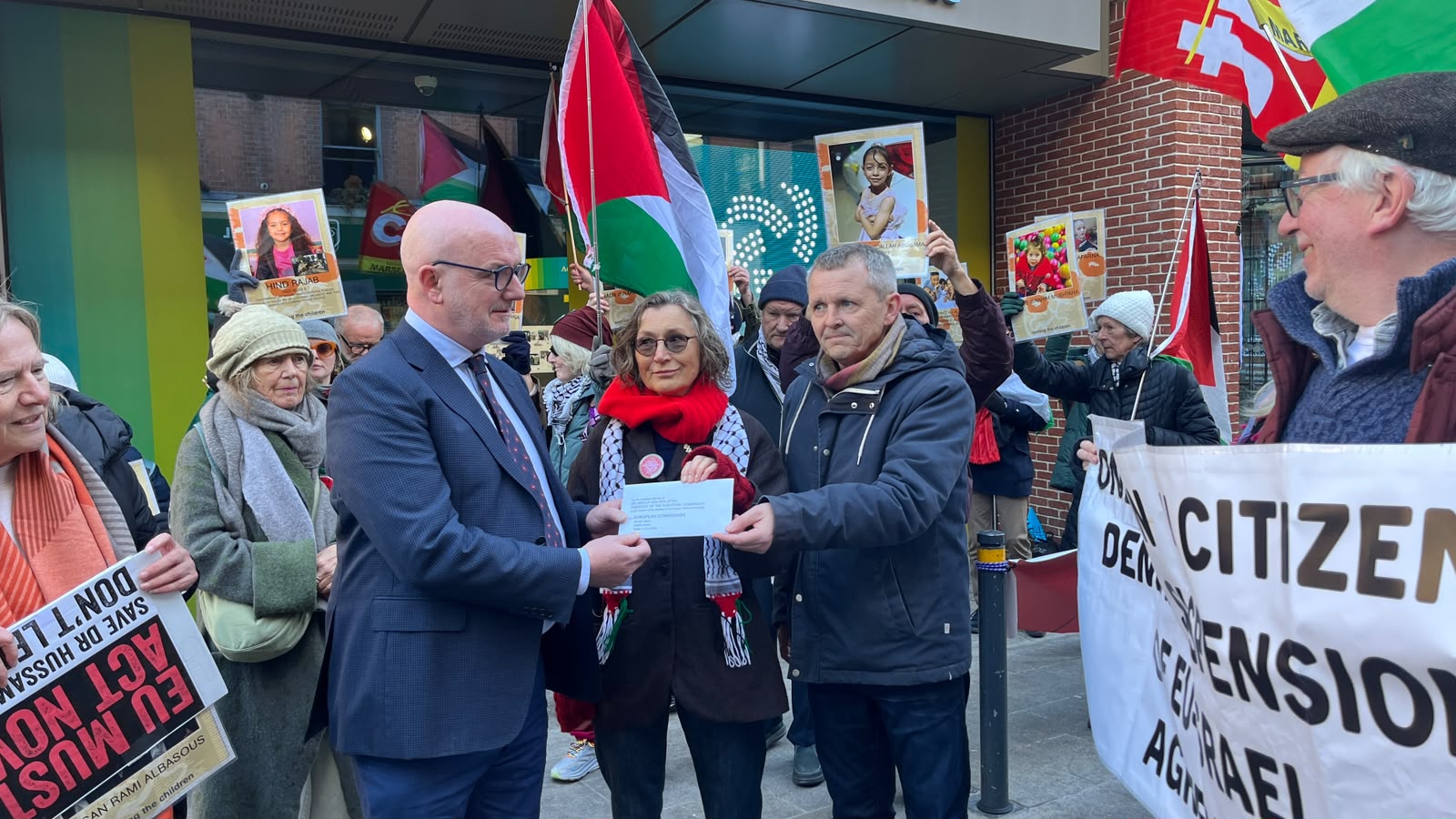
Saying that buying a Rooney novel is a political act in itself can be an overstatement; but we as readers and consumers are not powerless. Whether we buy, thrift, or borrow, reading books and engaging with them critically is a valuable activity that sharpens political consciousness. And there are many direct ways to be politically active, make our voices heard, and have a positive impact. For one, we can get involved in activism, for example through attending protests, engaging in civil disobedience or direct action, and by organising events that raise awareness of the ongoing genocide in Gaza and pressure political bodies to take action. We can donate towards charities that provide relief in Gaza and the West Bank, or support international lobbying efforts. In this sense, Sally Rooney sets an example by speaking up for what she believes in and accepting the consequences. Buying her books alone cannot be enough; her greatest legacy is her example of activism, and it is up to us now to follow her suit.