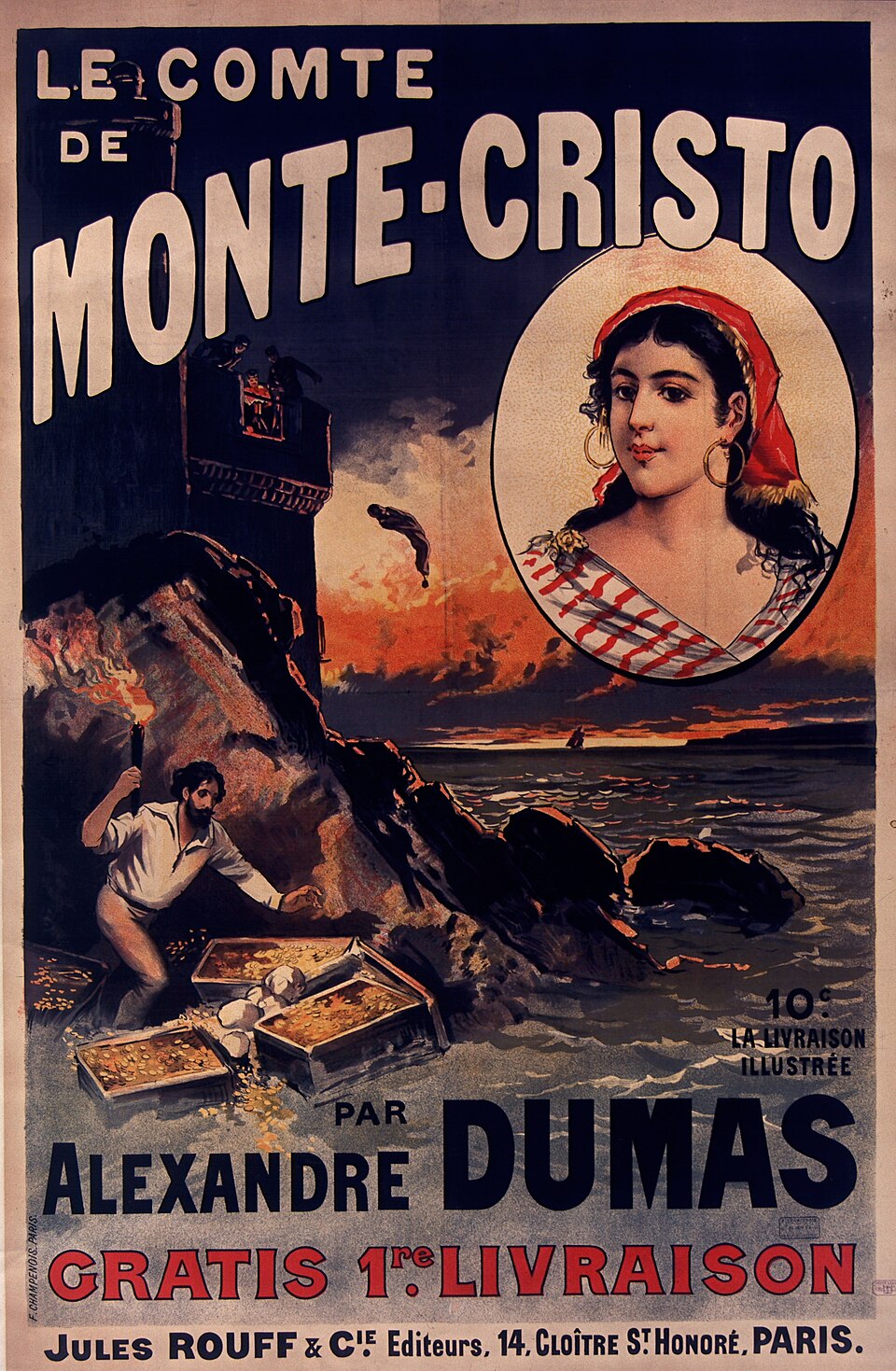

The internet has found “The Count of Monte Cristo”. The heralds of BookTok have unearthed him from Château d’If and decreed he is the hero who seeks revenge on the literacy crisis. The nature of this quest is of course redemptive in nature, because who could fault a novel for being engaging.
It’s unusual to see even a small community online rave about an extraordinarily long book published a few hundred years ago, but there are a few things about it which stand the test of time and draw modern readers in. The first is that it is a page turner, the second is the moving character development, and the third is the accessibility of the elegant prose.

There are of course many books in the Irish canon which capture all three of those things; however, the three books discussed below are short, unlike “The Count of Monte Cristo”. So, for those who have been saying for years that they need to get into reading, or get back into reading, these three books are a more manageable option.
“Small Things Like These” by Claire Keegan
Bill Furlong is perhaps not as grand a hero as Edmond Dantès, but the quiet strength he displays across the novella is essential. “Small Things Like These” follows Furlong through the gentle mundanity of his life, and then as he discovers a terrible secret that the entire community has been keeping through wilful ignorance. Without ever stating his thoughts, in turn emphasising the culture of silence in 1980s rural Ireland, Furlong suspects the local convent of running a Magdalene laundry. Like everyone in the town, he attempts to ignore what is occurring but personal history, and perhaps Christmas, make it difficult for his thoughts to stop straying towards the young women trapped in the convent.
It’s courage and empathy which drive him in the concluding scenes of the novel, as he redeems himself for being one of many whose inaction allowed for the Magdalene laundries to remain in operation. Silence hangs beneath each sentence of Keegan’s poignant prose, its eerie effect driving the reader towards the final page, and has the book staying with you long after you finish.
“The Country Girls” by Edna O’Brien
The crux of a hero’s journey is forging a path from the heart, and finding oneself along the way. This is the case for Caithleen “Cait/Kate” Brady and Bridget “Baba” Brennan who leave their convent school for Dublin. Kate the romantic, and Baba the bold, are led by the desire to experience life outside of the oppressive nature of their childhood homes and town. It is a coming of age novel for young women, banned the year of its release (1960) for its discussion of female sexuality and desire.
What is exceptional about the novel, and the young women who define it, is the audacity of expression: the audacity to deem female desire as a literary subject in a society whose repressive morality silences it with shame. Kate and Baba own their stories, even when life attempts to knock them back into place.
“The Picture of Dorian Gray” by Oscar Wilde
One can not help but be drawn into the disturbing vortex which exists within Dorian Gray. Naturally, this Adonis is charming, vain, and impressionable, a dangerous combination in a young man. Inspired by Lord Henry Wotton’s speeches about hedonistic living, Dorian sells his soul to keep his youth and beauty, as he has come to believe sensual pleasure must be life’s central pursuit.
He traps his soul in a portrait painted by his friend, Basil Hallward, and it holds the record of his sins as he tears through the world. Irony lies in the discrepancy between Wotton’s words and his actions, while Dorian’s dissolute naivete ruins him, and there is no redemption to be found. While Dorian Gray’s story might not move the reader as Edmond Dantès’ does, his descent is certainly entertaining.
Dorian Gray, while not a hero by any means, rivals Edmond Dantès for sheer magnetism. Bill Furlong stands beside Dantès as a man who redeems himself, and whose courage to extricate himself from a culture of silence must be remembered. Kate and Baba are the heroes of their own stories, an act that would be denied to them by the society they grew up in.
Each novel is written in compelling and accessible prose for all of those looking for an Irish classic to start reading. Furthermore, unlike “The Count of Monte Cristo”, they are short, easy to read on the train or the bus, and to bring in your bag to college or wherever you go. Let yourself be swept away to distant times through stories whose heart remains relevant regardless of the century, for in each of these novels, the mechanics of humanity are unearthed.