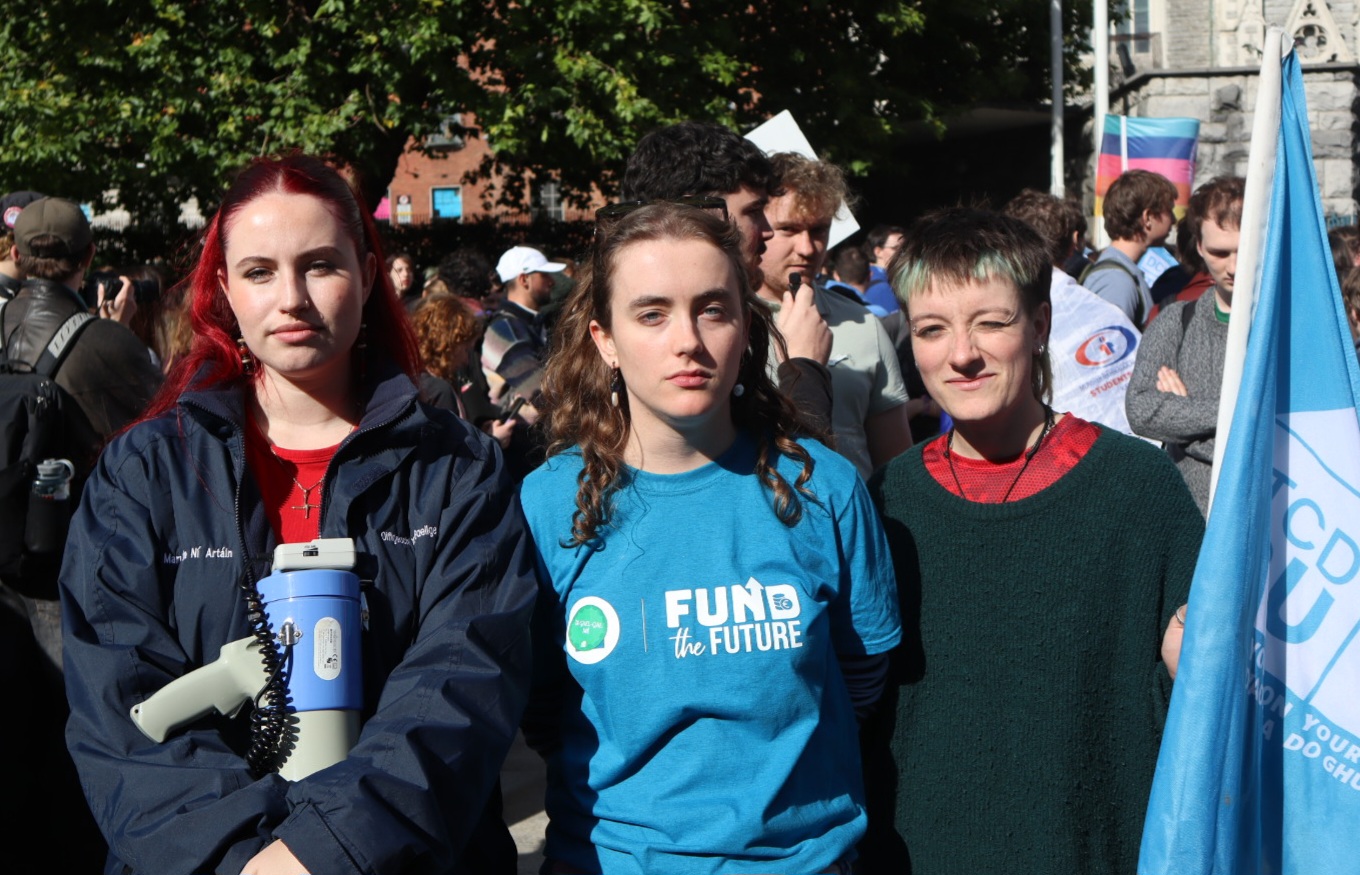

“This is not an eviction, this is murder”. This is the chant of hundreds of demonstrators who have been camping in front of Puerta del Sol for days now.
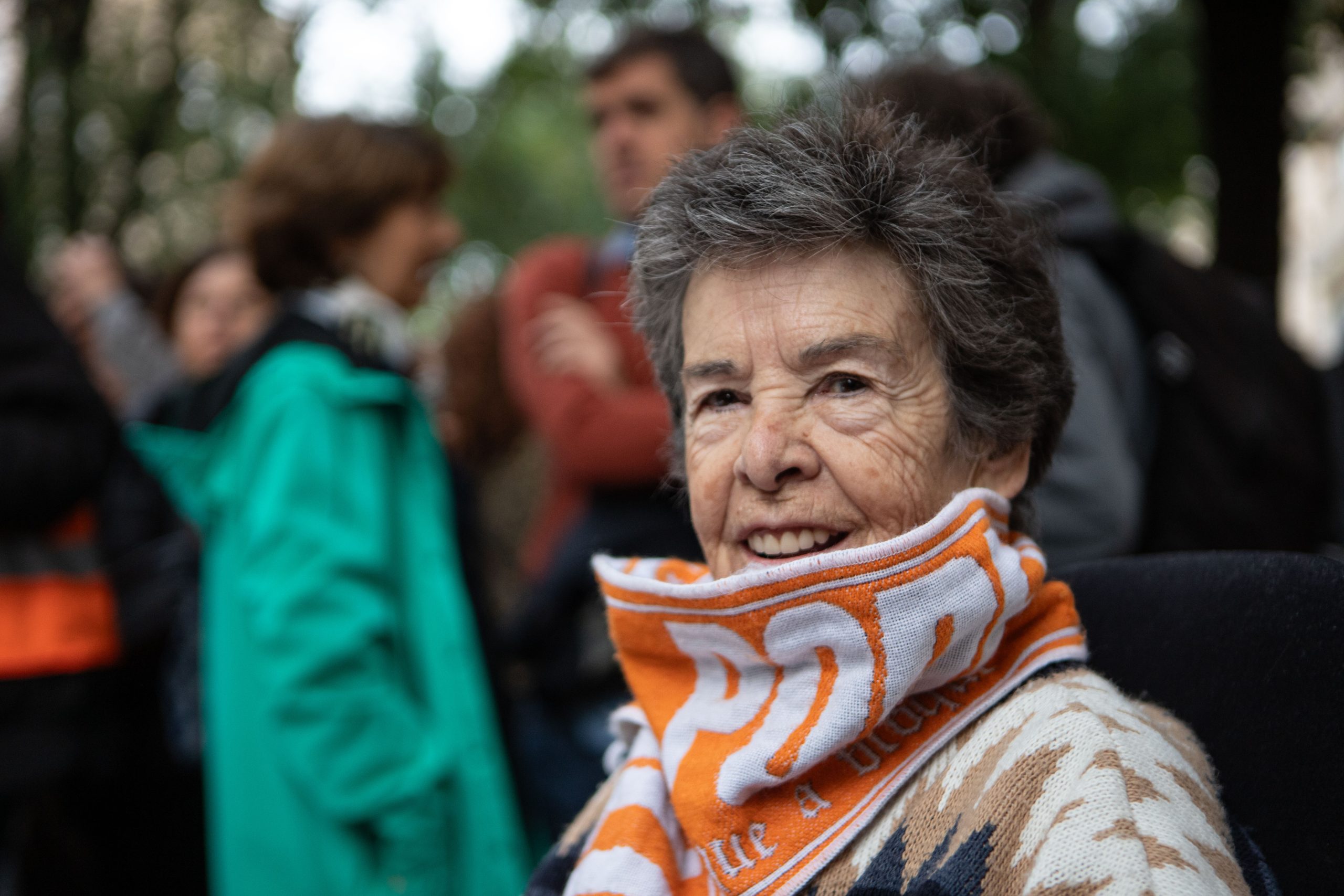
María del Carmen Abascal, the 87-year-old disabled woman who was evicted from her home two weeks ago in Madrid, died on Wednesday, October 7th. She prompted widespread protests in Spain over the housing crisis and spurred the Spanish Prime Minister, Pedro Sánchez, to call national elections.
Ms Abascal was evicted on September 23rd from the Madrid apartment she had lived in for more than 70 years. Policemen broke down her door and carried her out on a stretcher; she was quickly admitted to a hospital due to exhaustion. This story, though, has soon broken out of Spanish press, and has resonated all over Europe. Foreign press followed the Spanish protests attentively because Maricarmen’s story does not only reflect Spanish or Southern European problematics: it is paradigmatic of the housing crisis swamping Europe.

To better understand what happened here, let’s look at the status of the tenancy contract of Ms Abascal throughout the years. Maricarmen was residing at a flat in El Retiro under a tenancy contract that was “renta antigua”: these were rent tenancy agreements that were signed under Franco’s dictatorship (1939-1975), which kept different conditions from the new contracts, including a historically low rent. They also allowed for the succession of the tenancy contract to the next family member when the tenant died. Thus, after the father’s death during Franco’s dictatorship, the contract was subrogated to Maricarmen’s mother. In 2005, Maricarmen’s mother died, and the contract was subrogated to her.
After some time, Ley 29/1994 de Arrendamientos Urbanos, approved by PSOE (Partido Socialista Obrero Español), allowed that some old rent tenancy contracts could still be effective, and limited the successive transmissions of the tenancy agreement. In 2022, La Audiencia Provincial determined that this second subrogation to Maricarmen was not permitted, and that the contract was not valid. The Madrid City Council offered a free place at three different residency homes owned by the autonomous community of Madrid as alternative housing. Maricarmen declined all of them, arguing that “she’d rather stay at a family member’s”. This is when the eviction notices started. James Rhodes, a British pianist, offered to pay for Maricarmen’s rent so she could stay in the flat. Other writers and Spanish artists made similar offers. However, the company that bought Maricarmen’s apartment, Urbagestión, declined all offers.
Even though the number of evictions has decreased since 2014 (from 68.000 to 25.000 last year), Spain has a housing shortfall of around 755.000 homes. . Rents have risen 87 per cent since 2015; meanwhile, salaries have only climbed around 28 per cent, according to El País. Experts claim that the problem has been worsened by sluggish construction, the arrival of more than three million immigrants since the pandemic, and a rise in tourism . This has all exacerbated an already miserable situation, where landlords have raised their prices and where the wage stagnation over the last few decades has made those prices increasingly less affordable. According to CaixaBank Research, Madrid residents need around 18 years of annual salary to buy an apartment.
The fact that Maricarmen’s story happened in Spain does not mean that it’s separated from what is happening in other European countries like Ireland. In all of the European Union, according to Euronews, rent has averagedly increased by 3 per cent. In Ireland specifically, rent inflation is at 4.9 per cent, a whole 2 per cent over the European average. The housing crisis has been on the rise all over Europe, and it is fundamental to know its patterns in different countries, even more so when cases of evictions get no press attention at all. In the period between 2015 and 2024, there were a total of 4524 evictions in total in Ireland. It is important to note that this figure does not include cases where the tenant “voluntarily” left due to an unaffordable rent increase, nor instances where a landlord has tried to evict a tenant but the eviction is found to be invalid or cases where the landlord does not follow legal processes to evict.
However, according to RTÉ, there has been a decrease of 42.9 per cent in evictions compared to the first three months of 2026. Thus, there were around 4031 termination notices issued by landlords between April and June 2026; RTB argues that this shows a growing stabilisation process to the new rental law passed this past March. Nonetheless, the RTB director claims that: “in Dublin, where you have the presence of the larger landlords, rent is stabilising” while “in markets outside of Dublin, where you don’t have that large landlord presence, rents are increasing”.
In fact, the latest figures show that there has been a 9.1 per cent increase annually to 1,839 euros per month. It seems like these growth levels in rent are in cities outside Dublin, Cork or Galway. Here, rents have reached the €2000 per month mark, something unheard of before. Although evictions per se have decreased and the growth of rent prices in Dublin is stabilising, there is a growing concern over the growth of rent increases in other Irish cities.
While the economic side of the housing crisis is largely spoken of through data and percentages, people’s stories of eviction find much less space in the press. For example Olga Matute’s case: she committed suicide at 54 years old after being evicted from her home in Catalonia, where she lived with her two daughters, and did not get press attention at all; even in Ireland it is hard to find an eviction case that has gotten any press attention at all, which further points to an ongoing desensitisation of this issue, regardless of whether evictions have decreased or not.
The housing crisis is a problem that has, most recently and most fastly, concerned most governments all over the European Union and wider European continent. Maricarmen’s story has had a grip on the European population exactly because, with little variants, it could have happened in any of our countries. As Maricarmen said from her bed at a Madrid hospital after her eviction: “I wasn’t able to defend my home, but I did fight so that others can learn to fight for theirs.”