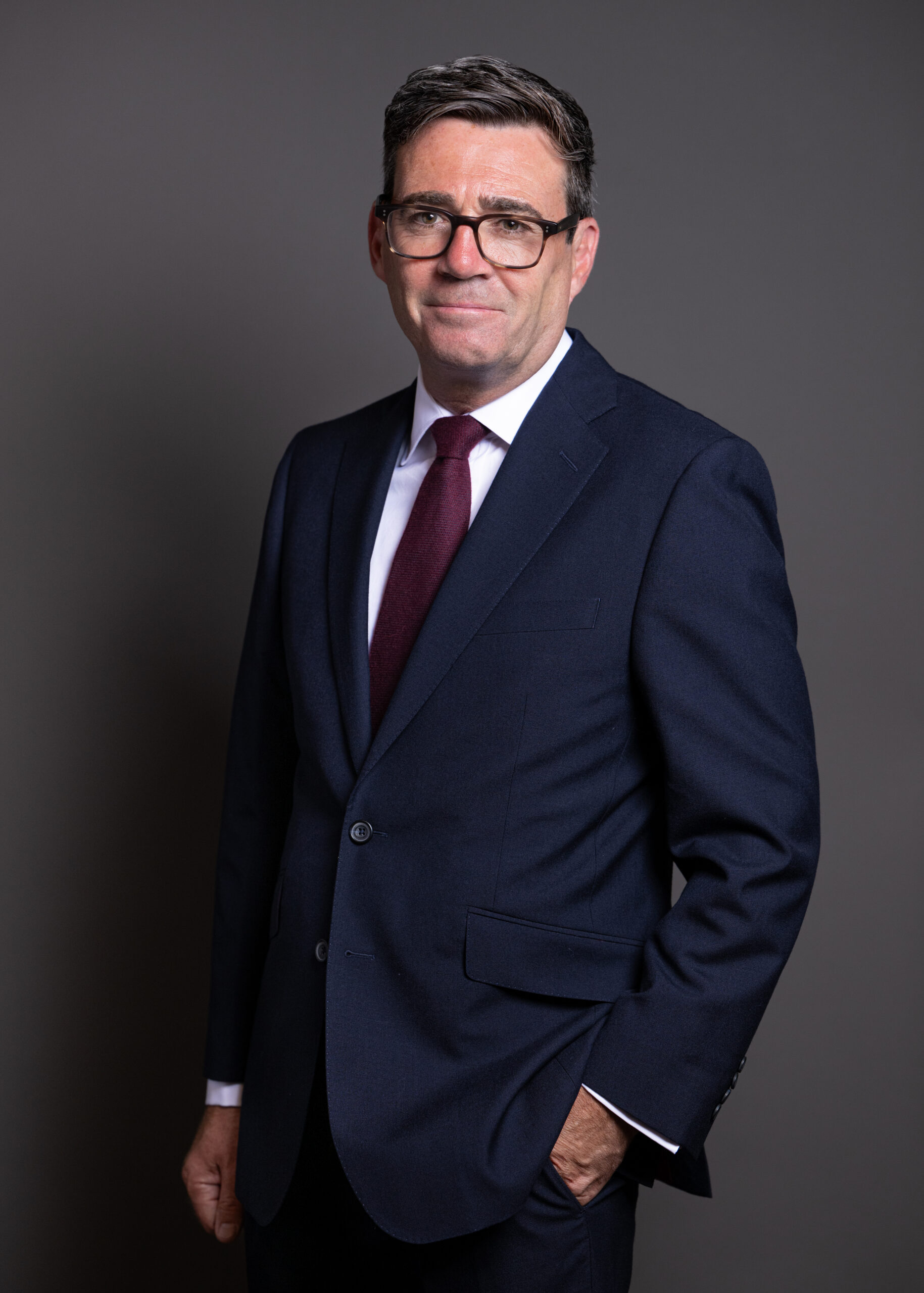

Lorenzo Cheasty is finding his new role “eventful”. Cheasty, the new Welfare & Equality Officer of the Trinity College Dublin Students’ Union (TCDSU), explained: “You never know what to expect every day…but I’m finding it quite meaningful, personally.”
Cheasty, who previously served as the Housing Rights Officer, was elected on 27th February and officially started his term at the end of June. He sat down with the University Times to discuss his hopes, plans and expectations for the year ahead.
One of the standout policies of Cheasty’s campaign was his plan to establish a Social Supermarket at Trinity. This follows his successful motion to establish a Social Supermarket in January at Comhairle, the Union’s primary decision-making body. The initiative would aim to collaborate with third-party food waste organisations to provide Trinity students with free food, similarly to Dublin City University’s Pantry. “We’re in negotiations with the college right now,” Cheasty explained. “I don’t want to give any concrete timeline at the moment, but I would be very optimistic for its implementation in the next semester here.”

In discussing his plans for working with the Black and Minority Ethnicity Advisory Group and the Sexual Violence Taskforce, Cheasty said, “Working with the BAME [Black, Asian, and Minority Ethnic Advisory Group], the CAWF [Contraception and Abortion Welfare Fund], and the Sexual Assault Working Group for reforms, that’s integral to the work I’ll be doing. I think they reflect a large and very integral part of the welfare role as well, which is that all of our campaigns, all of our initiatives, all of the changes we’re making need to reflect the lived experience of students in this college…and it is my job and heartfelt desire to reflect that through genuine, tangible action.”
Cheasty went on to express his excitement to work with the incoming Gender and Equality Officer and Ethnic Minorities Officer.
“It’s a fundamental truth that changes within these communities need to come from the communities. As my campaign manager and previous Officer for Students with a Disability, Chioma Iloduba, always used to say: ‘Nothing about us without us.’ All changes need to be reflected by the people in the communities and the people with the lived experience, so I want to work very, very closely with people who are impacted by these changes.”
When questioned on how to ensure such changes come to fruition, with the example of the lack of accessibility at Trinity Ball 2025 – despite promises that all efforts were being made to ensure a safe and inclusive environment – Cheasty emphasised his focus on the importance of “consistent, tangible action”.
Cheasty assured that he is “very aware of the issues” at Trinity Ball and has been following up on this issue with the Officer for Students with a Disability, the Trinity Ability Co-op, the Disability Service, and the Ents Officer, noting that “it’s something we’re very passionate about changing.” He went on to note that other accessibility reforms, such as amendments regarding LENS [Learning Educational Needs Summary] and PLENS [Placement/Internship Learning Education Needs Summary] reports, are also needed. “Fundamental human rights…are not being provided by the college to an adequate level,” Cheasty states.
Turning to the ever-conscientious topic of Generative Artificial “Intelligence (Gen AI), Cheasty was asked whether TCDSU have an internal standard of practice or Gen AI policy, and whether a lack of consensus on the topic endangers the integrity of casework-handling officers.
He said, “Not to my awareness [is there a protocol regarding AI use]”. “Personally, I would never share confidential information regarding casework with an algorithm. I want to ensure the confidentiality and protection of everyone.”
If there were to be a general discussion or meeting between the Sabbatical Officers to define a policy on Gen AI use, Cheasty assured that he would “definitely participate”, but emphasised his hesitation to engage with AI in any aspect of his work.
Regarding Trinity’s accommodation allotment process, and the lack of transparency surrounding it, Cheasty said: “One of my principal aims, going into the campaign and going into the role, was reforming how accommodation is handled at Trinity. Of course, a large part of that is advocating for the institution of co-operative housing and subsidised accommodation…but it was also increasing accommodation transparency. That is something I’ve been working on as housing rights officer for a long time, and something I have very strong opinions on. There’s only so much I can say at the moment, in terms of negotiations with the college, but I have been following up.” TCDSU President Amy Kennedy has stated that she, in collaboration with Cheasty, is working towards a “subsidised accommodation plan”.
Finally, Cheasty was asked the question posed to all Sabbatical Officers before the upcoming academic year: Is there any policy you are certain you can achieve by the end of the first semester, and if you do not achieve it, would you resign?
“I think, in terms of the Welfare role, it’s a difficult one to quantify…but I’ve found I’ve already made a meaningful impact for the people who have needed support in my first few weeks,” Cheasty stated. “And I do believe, wholeheartedly believe, that I will make substantial change, even within the next few months. I’m someone who focuses on tangible impact and has ambitious ideas, especially the Social Supermarket and cooperative housing, and these are things I’ll continue to push. But if I were to say yes to this question, I would be undermining what it means to be a Welfare Officer.”
Cheasty continued, “Being a Welfare Officer is offering support for people who are unheard, support that will not really be seen…meaningful support. And I think that quantifying any role on the sabbatical team by the visualities and more sensational elements of the role…it doesn’t fully reflect what it means to be a sabbatical officer. I think it more reflects the atmosphere of the Union right now, where visual elements are prioritised over real fundamental change. I think real, fundamental change isn’t always flashy; it isn’t always very visual or sensational. And I think asking people to resign based on something that looks big, versus something meaningful…it’s a difficult way to view a role, especially a support and casework role.”
“There are mirroring criticisms of the Union as a performative force, one that is more focused on things that look big rather than actually making change. And I think it’s a little bit ironic…having a fixation on these big changes can lead to less meaningful impacts, especially when we think about how the Union should be a force for long-term change.”
When asked what level of accomplishment is fair to expect from sabbatical officers, Cheasty pondered whether the preoccupation with resignation is having a damaging effect on the Union.
“I think resignation as a reaction to not being the perfect fit for the role has now been normalised, and going outside democratic structures to pressure people to resign has been normalised down in the Union, just within the atmosphere. There is pressure on officers to become symbols rather than performing meaningful work and pursuing tangible actions…I don’t know, I think it’s hard to reconcile.”
Cheasty concluded his interview by restressing his dedication to the role of Welfare and Equality Officer: “I’m confident I’ve already made meaningful change, and I will continue to do so.”