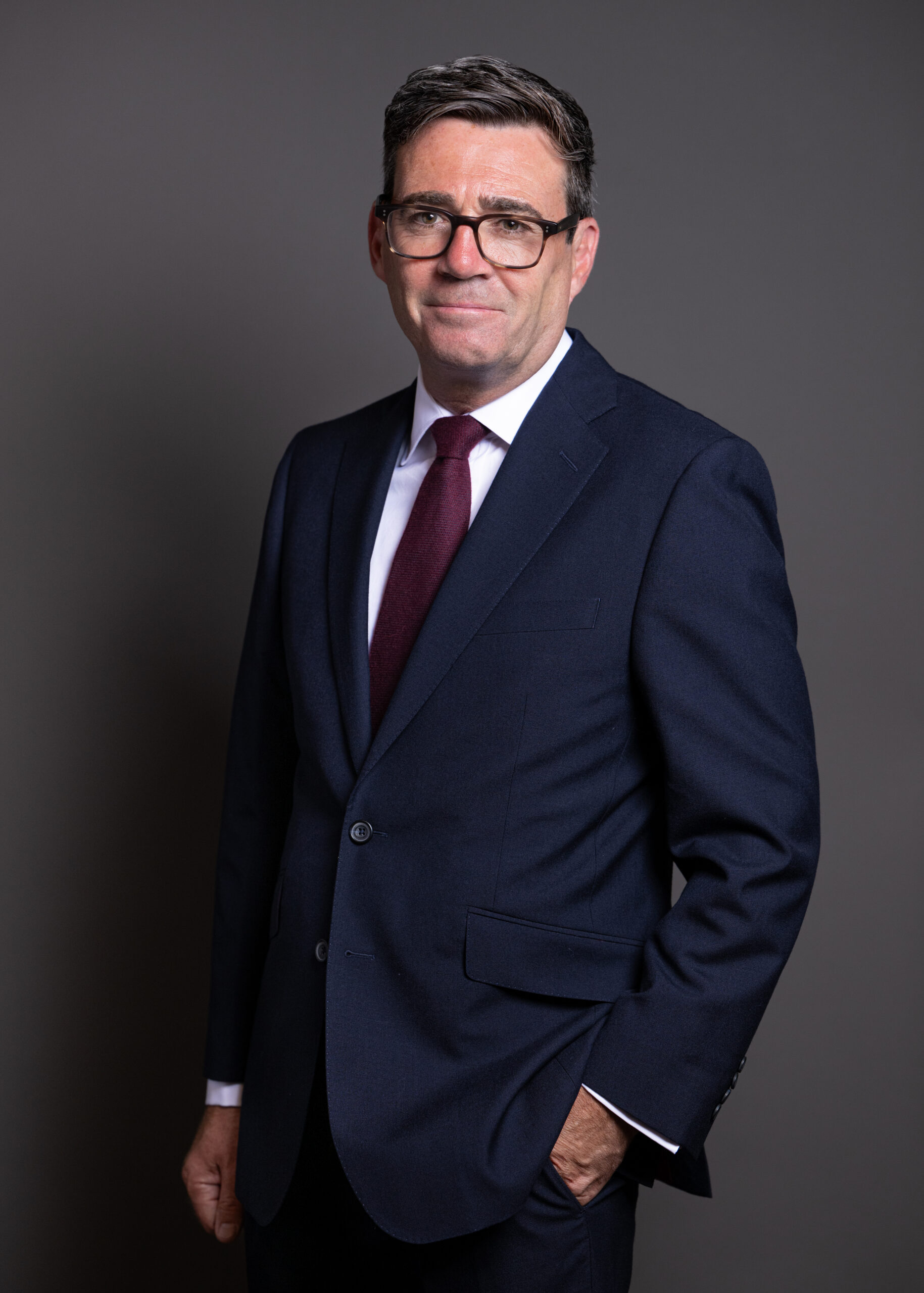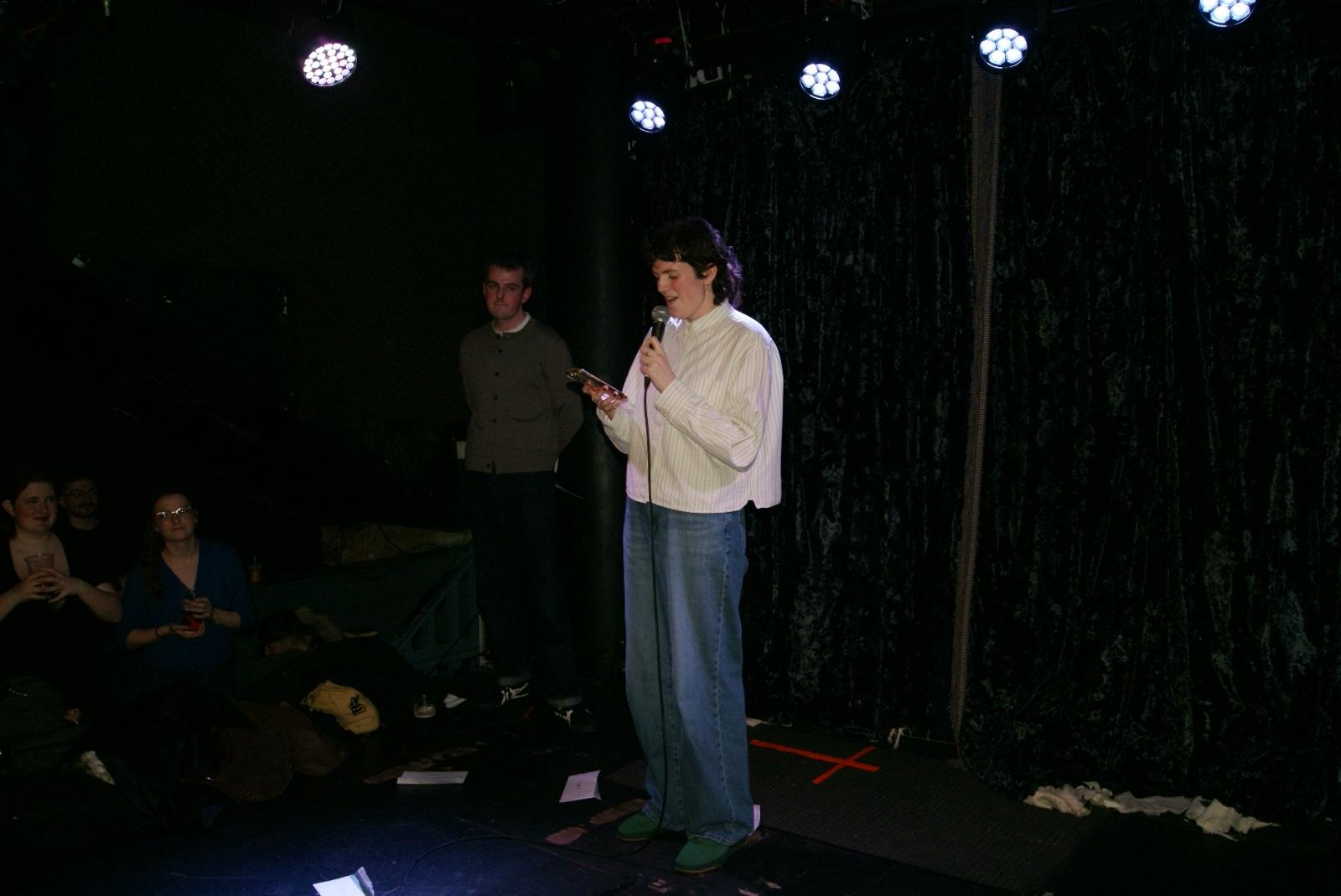

Ava Tuohy is the inaugural Postgraduate Sabbatical Officer of the Trinity College Dublin Students’ Union (TCDSU) following a successful referendum to establish the role in October 2025. Being first is never easy, but Tuohy is not without precedent: the union also established an Irish Officer in February 2024, the first expansion of the sabbatical team since the Editor of the University Times split off from the role of Communications Officer in 2015.
This leaves Tuohy in a precedent-setting position: she must work to both establish what the role actually is and justify its existence. Speaking to the University Times, Tuohy said her first few weeks have consisted of “getting set up”.
While sabbatical officers are elected in February, they do not start their terms until late June.

What is the Postgraduate Officer?
The University Times asked Tuohy to explain, in her own words, what the Postgraduate Officer does and their specific responsibilities, given it is the only sabbatical position that represents a student group. Tuohy said, “I speak for the needs of the postgrad community”, “It’s quite a different college experience to the undergrad experience”. Tuohy also distinguished between “taught” and “research” postgraduates. She said while she was in the “taught” category during her degree, she has “a responsibility to the postgraduate research community”.
Tuohy also emphasised collaboration with other sabbatical officers, and said she’d recently been working with the Ents Officer, Finn Hallwood, to plan postgrad events. Further, she mentioned work with “political officers” to make sure their work includes postgrads. The Postgraduate Officer also takes on postgrad casework from the Welfare and Education officers. Tuohy said, “Obviously, we’re a team of seven, and it’s the first year there have been seven sabbats”, but “we’re getting on great”.
Postgraduates have not had union representation since the collapse of the Graduate Students’ Union (GSU) in 2022. Tuohy took care to note that the GSU “always did their best” and that, even before the referendum, TCDSU “were really doing their best to include postgrads in whatever way they could”. However, she added, “without a full-time officer dedicated to postgrads it was very hard for them to do that…when they also had undergrad casework”.
Postgrad Spaces
The conversation then shifted to specific projects; Tuohy listed improvements to the postgraduate common room in House 7 and the 1937 Reading Room, both of which she discussed at great length in her manifesto. “I knew straight away I wanted to…look at the physical environment for postgrads”. She said the spaces had been “neglected”, and since the fall of the GSU they’ve been “maintained a little bit by estates and facilities” but “making proper improvements…hasn’t been done for a while”.
Tuohy has already made changes in student spaces. Speaking on the House 7 Postgrad Common Room, Tuohy explained that she had already reformed the booking system in her first three weeks in office. The former booking system didn’t actually check if students were postgraduates. So one of the first things she changed was implementing a system where students have to resend their cards to check for the “PG”. Tuohy also noted that the previous system placed no real limit on the amount of time the room could be booked for, and now it has been limited to two-hour time blocks, preferably after 6 pm. Tuohy qualified her accomplishment, though noted: “It’s summer so there’s not as many bookings at the moment, so I think I’m only going to really see the outcomes of these changes in September or October when there’s more activity on campus.”
The University Times then listed issues with the 1937 reading room that Tuohy outlined in her manifesto: heating, plug socket breakages, mould, and wheelchair accessibility, and asked what kind of work would have to be done to address them. Tuohy mentioned that upgrading the 1937 Reading Room was in Linda Doyle’s manifesto when she was running to be Provost. Tuohy said, “We’re in 2026 now, and we haven’t really seen that investment whatsoever.” Adding “it’s constantly busy…you’ll be in there at any time and there’ll be no seats because people use it so much”. She said a first step would be “seeing if we can get some funding”, acknowledging “accessibility issues are going to be a big long-term project…we see that across college with lots of heritage buildings”. However, “things like heating and plugs” are urgent, “the problem with the heating is that you could be in there any time of year, even now in the middle of this heat wave, and it’s boiling…it’s getting to the point where it’s actually kind of dangerous”. “Then in the winter it’s freezing cold”, “so there’s no kind of balance”.
Tuohy made sure to say “some people think it’s just a library, it’s not, there’s no library staff in there…it’s a study room” where “there’s no member of staff that’s designated there to look after it”.
Welfare
Tuohy’s manifesto mentioned working with the Postgraduate Advisory Service (PAS) and creating a welfare guide for incoming postgrads. Tuohy said she has “pretty regular meetings with the PAS” and that they are in “constant conversation about…welfare supports that we can offer to posgrads”. Among those conversations is a welfare or services handbook to distribute during orientation week.
Tuohy said that when she can’t help on a certain case, she refers it to PAS, and vice versa. She gave the example of HEA funding and other funding services, which “they are in a better position to answer questions about”, alongside “tricky casework”. When asked what PAS would refer to TCDSU, Tuohy mentioned certain welfare supports the SU provides like grocery vouchers. Tuohy also expressed excitement over the fact that PAS has gone from having one employee to two.
Getting Results: Committees & Direct Action
The University Times then pivoted to ask Tuohy about how she plans to achieve her goals. When asked about work through committees, boards, and pressure on the college, Tuohy explained, “I sit on a few of the college committees as part of my role”, naming Student Life and Grad Studies. She said that when those committees come back closer to the Academic Year start, she will “be making sure that postgrad issues are at the forefront”.
Tuohy also made mention in her manifesto of the worker element of being a postgraduate student, with issues regarding living wages, sick leave, prenatal leave, and respectful workplace treatment all listed as priorities. She also said she would organise direct action when necessary.
The University Times asked Tuohy if she agreed with the idea that there had been a decline of on-campus direct action since 2024, and if she aimed to bring that culture back to the union. Tuohy said, “We definitely saw less direct action last year”. She then mentioned the by-election and the former president’s resignation, and said it caused a “settling down period”. However, she wants “to bring that culture back if needs be”.
Tuohy added that she had been in conversation with the Postgraduate Workers’ Organisation (PWO), “we don’t have anything upcoming…but it’s something that comes up when we’re talking about issues that affect postgraduate researchers”.
Direct action has been a major topic for the students’ union in the last few years, from a controversial sexual violence campaign that led to the censure of former President Jenny Maguire and former Welfare Officer Hamza Bana to criticism that the union was not doing enough. The University Times asked Tuohy when she thought direct action was appropriate. Tuohy said the direct action discussed by herself and the PWO was “less on a college level” and “more on a government level” so “it would be different”.
When asked specifically about appropriateness on a college and university level, Tuohy said that question lies in “if there is demand from students…and the union”, “it has to be an open dialogue with the students that we’ve been elected to represent. I don’t think discussions around plans for direct action should be done behind closed doors”. She ended, “I think if as a representative body we feel like we’re not being listened to, or that the students are ultimately paying the price for something that is the responsibility of the government or the Higher Education Authority or whoever it is, then direct action is appropriate. But it needs to be as collaborative as possible.”
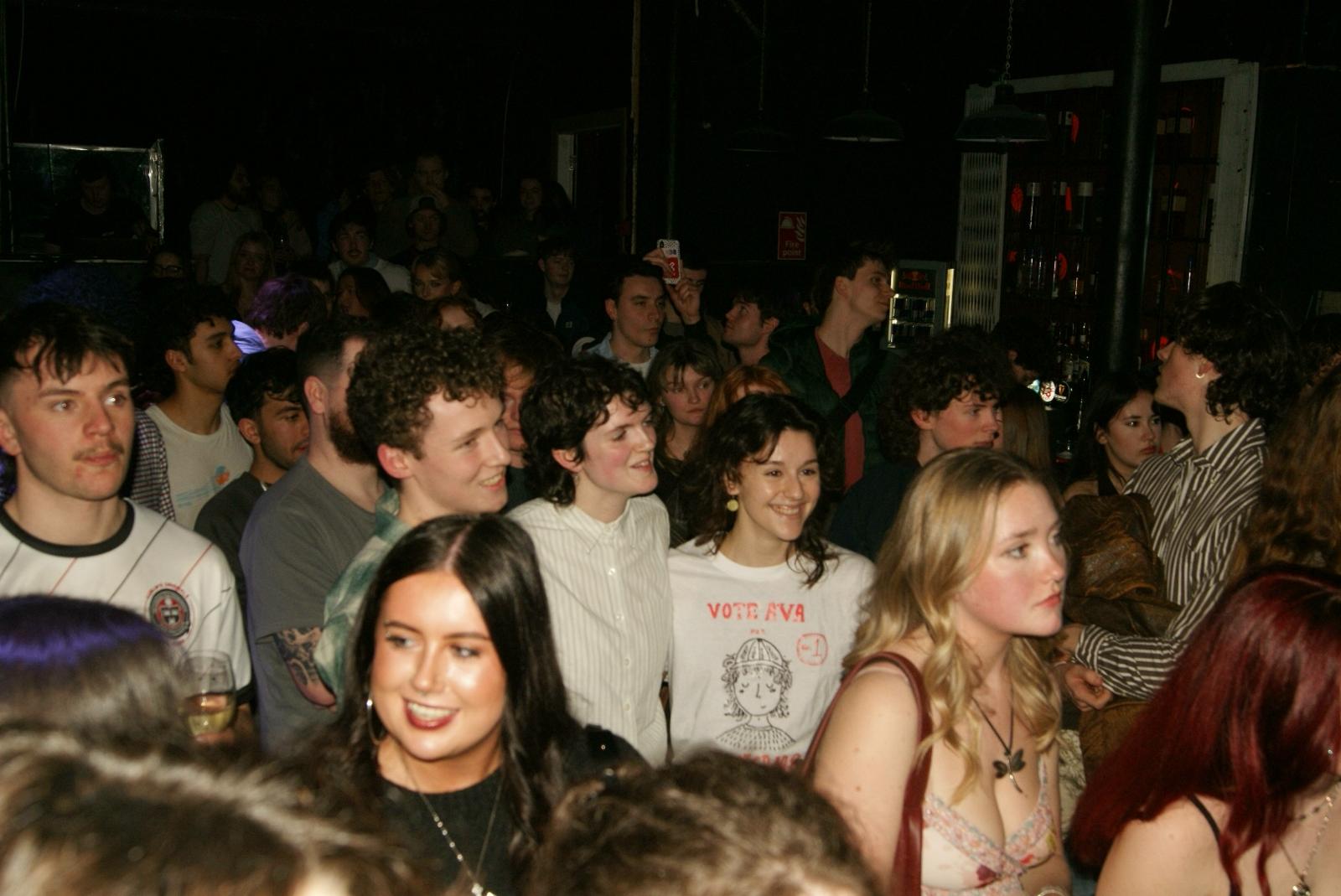
The Government & The College
Tuohy was then asked about the difference between college-level and government-level issues for postgrads, and which entity was doing more to support them. She said Trinity was doing a better job “at the moment”, especially with changes to how Research Ireland is distributing PhD stipends and funding PhD students. She added “college has more of a responsibility when it comes to things like PhD supervisors and supervisor-researcher relationships” and “on a school-level…there have been failings in the past where supervisor-researcher relationships break down, and funding is attached to their supervisor… and someone just loses their PhD”.
When asked about balancing the need to both work with the college against the government and go against the college, Tuohy said, “I don’t think we have to be an enemy of the college and they don’t have to be our enemies, but we can also hold them accountable at the same time.”
Support for Palestine
Tuohy has also been very vocal about her support for Palestine, carving out space on her manifesto for Palestine Solidarity, and emphasising her membership in Trinity BDS and Teachers for Palestine. The University Times asked Tuohy what she planned to do to support Palestinian students attempting to come to Ireland through the University of Sanctuary Scholarship Programme and whether she was able to do more or less than she previously thought. Tuohy said she was looking into it, and while visa issues are “something we don’t have a lot of control over”, “the Palestinian students that do end up here and that are currently here will be fully supported”.
Tuohy was then asked about her hope for Trinity ending its partnership with Coca-Cola, which students voted for as early as 2004. She said, “I’m hopeful, I think we’d all like to see an end to that partnership, but I’m not going to get my hopes up too much.” “Will this be our year? I don’t know, we’ll see.”
Generative AI
The University Times then pivoted to discuss general artificial intelligence. There is currently no internal AI policy for the students’ union, and Tuohy was asked about whether she’d use it in her role. Tuohy pointed out that “there’s differing opinions across college on what the right approach is”, adding, “I would tend to avoid using AI wherever possible, though, I know it’s becoming more and more integrated into our everyday use of technology.”
Tuohy added that she’d be happy to collaborate with the Education Officer, Eve Martin, on a TCDSU AI policy.
When asked specifically about casework done by sabbatical officers, wherein there may be data privacy concerns with AI use in non-“sandboxed” models, Tuohy said “a policy is something worth trying to establish”, “especially when we’re dealing with people’s personal data”.
What is Reasonable to Expect, and When Should Officers Resign?
The University Times moved to ask Tuohy what students should expect by the end of the first term. Specifically, if there was anything Tuohy was so certain that she could complete, that if she didn’t, she would resign. The same question was asked to all other sabbatical officers.
On what to expect in the first term, Tuohy reiterated postgrad events, setting up a new Postgraduate Forum, starting conversations about the 1937 Reading Room, getting new furniture in House 7 and deep cleaning the kitchen. She said, “I don’t think we’ll be seeing a 1937 Reading Room refurbishment by the end of Michaelmas term, but I’d definitely like to start work on planning.”
On what she would resign over, she said her job was “to establish the role and to be a solid representative for postgrads, and to be somebody who postgrads know, and that they understand that the union can work for them and will work for them”, “So if I hadn’t done that, and if the majority of the postgrad community were still thinking that the union wasn’t for them, then I feel like that would be a failing on my part.” Adding, “Whether I’d resign or not, I don’t know, but I think I would feel pretty strongly about wanting to do that.”
The University Times then pushed questioning on how to actually benchmark officers and if there were any tangible outcomes students should expect, and Tuohy mentioned the House 7 common room ID check system and long-term maintenance.
On what she believes is reasonable to expect from sabbatical officers overall and at what stage they should resign, Tuohy said, “If candidates have been realistic about what they can achieve in their manifestos, and they have promised certain things, then it’s acceptable to hold people to those promises that they made on getting elected to this role.” She specifically noted, “I especially think that sabbatical officers should resign if their behaviour is not the type of behaviour that you would expect from somebody that has been elected to represent students. So if someone was behaving inappropriately, then they should resign.”
The University Times pushed on what “behaving inappropriately” means, and Tuohy said “Being cruel or harassing people is a given…you can’t be a student representative”, but “this is a job”, “if you are not doing said job to the best of your ability, and doing things like not showing up or just not following through on your responsibilities, then maybe that would be a time to consider resigning also.”
End
When asked if she had anything else to add that she wanted to make sure that students or postgrads reading the University Times should know about her or the role, Tuohy said: “I’m just really excited about the role.” “I’m excited to work for postgrads and work with postgrads, and to be in conversation with the community throughout the year and see what I can do for them.” She added, “They’re just really looking for that representation and have been for a while.” Finishing, “It’s kind of limitless”.